Discover premium-grade sectional, folding, storm-resistant, and high-performance entrance systems designed for modern facilities.


Decoding market size, operational pressure points, and structural requirements across industrial ecosystems.
In the era of hyper-scale logistics, automated distribution networks, and stringent climate-control mandates, warehouse industrial doors have transitioned from simple physical barriers to high-tech operational components. Driven by the expansion of global e-commerce and cold-chain infrastructure, modern industrial facilities demand door systems that actively contribute to energy savings, safety compliance, and throughput velocity.
The selection of the right industrial door configuration is directly tied to a facility's bottom line. Poor thermal isolation can lead to thousands of dollars in annual energy waste, while slow operating cycles compromise logistics throughput. According to international engineering assessments, integrating high-performance thermal break components and rapid-cycling systems can reduce operational heat exchange by up to 60%, positioning industrial doors as critical assets in carbon reduction strategies.
Four pillars of reliability, safety, thermal performance, and compliance.
Industrial facilities face intense pressure variations, sandstorms, and extreme wind forces. Leading manufacturers design door curtains reinforced with aluminum wind-ribs and deep side guides that comply with EN 12424 Class 3/4 standards, ensuring stable operations under severe weather events.
With deep-freeze warehouses requiring constant negative temperatures, industrial doors must employ thermal break aluminum profiles and high-density polyurethane (PU) foam cores. Excellent thermal seal profiles (U-value < 0.5 W/m²K) prevent frost accumulation and thermal transfer.
High-speed machinery requires advanced safety controls. Modern standards dictate the integration of optoelectronic safety light curtains, bottom-edge safety sensors, and smart collision-release mechanisms to minimize personnel risk and prevent mechanical damage.
Global developers prioritize compliance over cost. Authoritative standards like CE, SGS, UL, AS/NZS, and RoHS guarantee structural safety, fire-resistance ratings, mechanical reliability, and compliance with ecological mandates across world markets.
A detailed breakdown of key global players, their technical focus, and regional specializations.
| Rank / Manufacturer | Core Specialization | Primary Certifications | Key Strengths & Differentiators |
|---|---|---|---|
| 1. ASSA ABLOY Entrance Systems | Automated & Megadoor systems | CE, UL, ISO 9001 | Unmatched global service footprint, massive high-cycle heavy-duty systems. |
| 2. Hörmann | Sectional & Roller shutters | CE, DIN, EN standards | German precision, high-grade steel engineering, extensive warehouse loading dock solutions. |
| 3. Rytec Doors | High-performance high-speed doors | UL, NSF, ISO | Specialized speed doors for high-traffic food manufacturing and cleanroom applications. |
| 4. Rite-Hite | Loading dock & Fabric barriers | UL, CE | Integrated logistics systems, premium safety-driven dock safety gates and barrier walls. |
| 5. Efaflex | High-speed spiral doors | CE, TÜV | Patented spiral guide track system offering exceptional speeds up to 3.0 m/s. |
| 6. Guangzhou DCTan Door Co., Ltd. | High-end custom OEM/ODM solutions | CE, SGS, UL, AS/NZS, RoHS | Extremely agile customization, thermal break aluminum designs, global logistics supply. |
| 7. Dynaco (Entrematic) | Self-reinserting high-speed fabric | CE, ISO | Crash-forgiving fabric doors that automatically re-thread into side guides upon collision. |
| 8. Albany Doors | Heavy-duty process doors | CE, UL | Engineered for harsh mining, industrial milling, and extreme environment facilities. |
| 9. Raynor Garage Doors | Commercial overhead doors | ANSI, DASMA | Reliable regional supplier in North America focusing on commercial garage and fire doors. |
| 10. Champion Door | Large-scale fold-up doors | CE, ISO 14001 | Specializes in massive fabric hangar doors for aviation and shipyard applications. |
How digitalization, safety innovations, and green initiatives are shaping the next generation of industrial doors.
Integrating sensors into industrial door drive units allows for real-time telemetry. Systems can monitor cycle count, motor temperature, and spring tension, alerting maintenance teams before failure events compromise warehouse traffic.
Environmental standard compliance like LEED v4 requires industrial door components to be manufactured using eco-friendly processes. Using lead-free PVC, recycled aluminum alloys, and highly efficient insulation properties helps facilities meet environmental goals.
Laser-radar motion sensors, inductive loops, and RFID vehicle tags allow automated guided vehicles (AGVs) and forklifts to transit through access points seamlessly, minimizing open-door times and preventing accidental collisions.
Adapting door specifications to unique regional environmental demands and regulatory criteria.
In regions prone to severe wind load requirements, manufacturers build doors that satisfy rigid ANSI/DASMA 108 standards. Heavy-gauge galvanized steel tracks and wind locks are integrated to ensure structural security in loading docks, preventing wall collapse during wind storms.
European energy standards demand strict adherence to thermal break characteristics (EN 13241-1). High-performance sectional doors feature thermal-break profiles that disconnect the outer steel sheet from the inner sheet, eliminating thermal bridging and condensation in cold climates.
High density and intense land-use in APAC logistics centers favor vertical-lifting structures and slim-frame aluminum glass entry doors. High-speed roll-up doors with cycle speeds up to 2.5 m/s keep production lines active and prevent cleanroom contamination.
Facilities operating in desert climates require industrial doors equipped with specialized double-lipped EPDM perimeter weather seals to block fine dust. In highly automated warehouses, heat reflective coatings block solar gain, stabilizing indoor cooling systems.
Different industries require target setups. Review standard templates below.
Configuration: Thick PU-insulated sectional door paired with high-speed interior roll-up fabric doors.
Objective: Limit thermal transfer during forklift operations. High-speed interior door handles active traffic; insulated door seals the building overnight.
Configuration: Mega-scale vertical lifting fabric doors with horizontal truss beams.
Objective: Provides wide, high clearances for massive cranes, heavy machinery, or aircraft while maintaining wind resistance and structural durability.
Configuration: Air-lock high-speed PVC roll-up doors with stainless steel frames.
Objective: Minimize air exchange and pressure drop during operations, preventing airborne pollutants from entering clean environments.
A premier manufacturer delivering quality-certified architectural and industrial closure solutions globally.
Based in Guangzhou, China—a hub for building materials and high-precision manufacturing—Guangzhou DCTan Door Co., Ltd. is a leading manufacturer specializing in designing, producing, and supplying high-quality, durable doors for residential, commercial, and industrial projects worldwide.
With state-of-the-art production machinery, skilled developers, and a robust engineering foundation, DCTan Door offers entry doors, interior wooden systems, high-durability hotel doors, and customized industrial solutions. Utilizing premium materials like thermal-break aluminum alloy, solid wood, and high-strength steel, DCTan Door ensures security, elegance, and durability.
As a trusted partner for global developers, architects, and contractors, the company supports both OEM and ODM services, enabling custom sizes and custom materials. Our solutions streamline procurement and provide a competitive edge in global markets.
Answering vital questions to guide facility managers and procurement agents.
High-performance industrial doors are engineered to endure 100,000 to 1,000,000 lifecycles, depending on their drive system, tensioning systems, and curtain material. Frequent inspection and timely replacement of wear-and-tear components like counterbalancing springs and side weather seals help maintain these cycles.
A thermal break uses a non-conductive barrier (such as polyamide) between the outer metal shell and the inner aluminum profile. This thermal barrier prevents heat transfer through the metal frame, reducing energy waste and preventing condensation or frost buildup in deep-freeze environments.
Under safety standards like EN 13241-1, automated industrial doors must feature active safety systems. These include light curtains to detect obstructions, bottom-edge safety sensors to reverse door travel upon contact, and manual release overrides to ensure egress during power outages.
Yes. We specialize in custom OEM and ODM services, catering to customized dimensions, thermal performance values, and hardware finishes. We work closely with contractors and developers to deliver custom door solutions that align with project specifications.
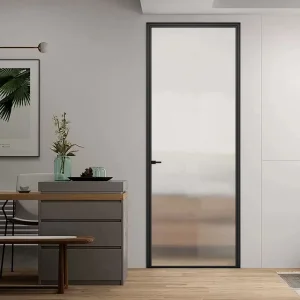
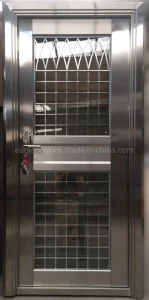
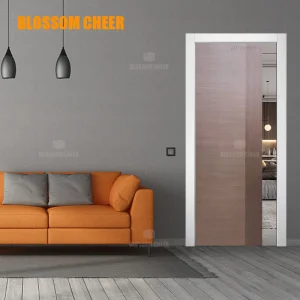
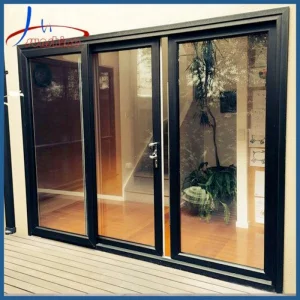
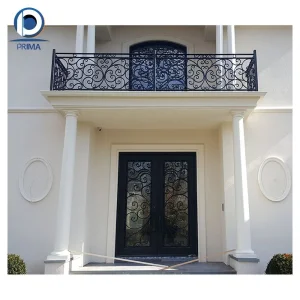
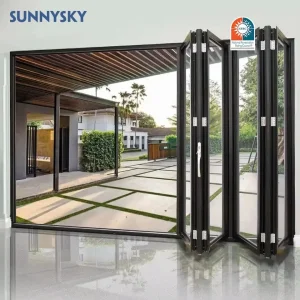
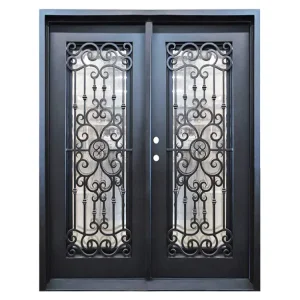
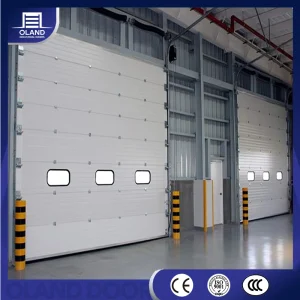
Explore our diverse catalog of interior wooden doors, slim-frame pocket systems, and heavy-duty insulated warehouse gates.
 DCTan Door