When you hear a sound as you walk across your wood floor, it can be concerning. Many homeowners wonder, "Why does my wood floor squeak when I walk?" This common issue occurs for several reasons. Understanding the underlying causes can help you address the problem effectively. Loose boards, improper installation, or environmental changes often lead to squeaks.
Squeaking does not just undermine your home’s aesthetic. It can hint at more serious structural issues. An old, worn-out floor may require more than just simple repairs. Over time, wood can expand and contract due to humidity. This process often leads to noises that can be annoying and disruptive.
If you want to regain peace in your home, identifying the source of the noise is vital. There are various solutions, ranging from tightening screws to applying lubricants. Each approach requires careful consideration. A deeper examination may reveal unexpected challenges. Squeaky floors can serve as a reminder to assess your home’s overall condition. Facing these concerns head-on can lead to lasting improvements.
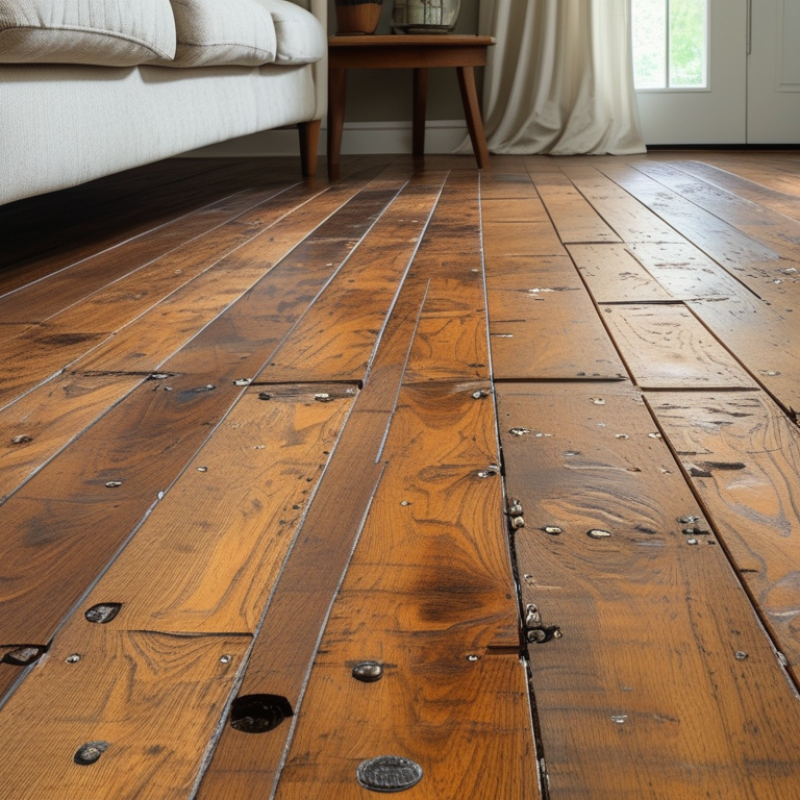
Causes of Squeaking in Wood Floors: Understanding the Mechanics
Squeaking wood floors can be a frustrating experience. Understanding the mechanics behind these noises helps in diagnosing the problem. Common causes include loose boards, humidity changes, and improper installation. According to a report by the National Wood Flooring Association, around 40% of flooring issues arise from poor installation methods. These factors disrupt the natural expansion and contraction of wood, leading to unwanted sounds.
Tips: Monitor humidity levels in your home. Aim for a consistent range of 30-50%. This helps prevent boards from warping or shrinking.
Another culprit often involves nails or screws loosening over time. As wood ages, it expands or contracts, causing fasteners to shift, leading to squeaks. A study indicated that up to 25% of homeowners experience similar squeaks, making this a common concern. Not addressing these issues promptly can lead to more significant repairs later on.
Tips: Regularly check for loose boards and fix them immediately. Secure any loose fasteners with proper screws. This small action can save you from bigger headaches.
Impact of Humidity and Temperature on Wood Floor Integrity
Humidity and temperature significantly impact the integrity of wood floors. As these environmental factors shift, wood can expand or contract. When the air is humid, wood absorbs moisture, causing it to swell. Conversely, dry air leads to shrinkage. These changes often result in squeaking sounds when you walk across the floor.
To prevent this issue, maintaining a stable indoor climate is crucial. Use a humidifier in winter or a dehumidifier in summer. This helps keep the moisture levels balanced.
Tips: Check your home's humidity levels regularly. Ideal levels range from 30% to 50%. Also, consider placing rugs in high-traffic areas. They can reduce friction and absorb some of the moisture changes.
In some cases, squeaks signal underlying problems. Loose boards may need securing. Try tightening nails or screws to fix this without extensive repairs. Always monitor your wood floors' condition for long-term durability.
Common Types of Wood Floor Installation and Their Squeaking Risks
When it comes to wood floor installation, some methods are more prone to squeaking than others. Nail-down techniques often lead to squeaks. The nails can loosen over time, especially in high-traffic areas. If your floor was installed this way, it might need immediate attention. Be aware; excessive humidity can worsen this issue, causing wood to expand and contract.
Staple-down installation can also contribute to the problem. The staples may fail to hold the wood securely, resulting in movement and noise. Some homes may have floating floors, which rely on interlocking pieces. These may squeak as well, particularly if the underlayment is not adequate. Each type has its own risks.
Keep in mind the impact of your foundation's stability. Uneven surfaces can lead to more creaks and groans. The quality of the wood can vary, influencing sound production. If squeaking persists, seeking professional advice could uncover deeper issues.
Step-by-Step Solutions: Fixing Squeaky Wood Floors Effectively
Squeaky wood floors can be annoying and may indicate underlying issues. Understanding the causes can help in addressing them effectively. Common reasons include loose floorboards, gaps between boards, or humidity changes affecting the wood. Identifying the specific cause is essential for an effective fix.
To begin, inspect the areas where the noise occurs. Walk slowly to pinpoint the problem spots. If you notice gaps, consider inserting wood shims to fill them. This small step can stabilize the boards and reduce noise. For loose boards, securing them with screws can make a significant difference. Ensure the screws are appropriate for your flooring type to avoid damage.
Applying a lubricant can also help. Common options include paraffin wax or graphite powder. Just a little in the squeaky areas can reduce friction. Yet, remember this might not be a permanent solution. Frequent checking will be necessary to maintain quiet floors, and you might need to assess the overall condition of your wood flooring periodically.
Preventive Measures to Avoid Future Squeaking in Wood Flooring
Wood flooring adds charm to homes, but squeaking can be irritating. To prevent future squeaking, homeowners need to understand the causes. According to the National Wood Flooring Association, changes in humidity and improper installation are significant factors. Over time, wood expands and contracts, causing friction between the boards. This friction often leads to annoying squeaks when you walk.
Regular maintenance is essential. Ensure that your flooring is properly acclimated before installation. This step minimizes expansion-related issues. Humidity levels should be monitored; keeping your home between 30-50% prevents excessive moisture. A recent survey found that homes with controlled humidity levels reported 70% fewer floor squeaks. This highlights the importance of a stable environment.
Additionally, using felt pads under furniture helps to reduce movement that can lead to squeaking. Repair any loose boards promptly to avoid worsening the noise. Homeowners should take time to walk around their floors regularly, checking for changes. Small actions like these can significantly enhance the longevity and tranquility of your wood flooring.
Wood Floor Squeaking Issues and Solutions
FAQS
: Common reasons include loose floorboards, gaps between boards, and humidity changes affecting the wood.
Walk slowly across the floor to pinpoint where the noise occurs. This will help identify problem spots.
Wood shims can fill gaps between floorboards. They stabilize boards and significantly reduce noise levels.
Use screws to secure loose boards. Ensure the screws are suitable for your specific flooring type to avoid damage.
Applying a lubricant like paraffin wax or graphite powder may help. But, it’s not a permanent fix.
Regular maintenance is key. Monitor humidity levels and use felt pads under furniture to reduce movement.
Maintaining humidity between 30-50% helps prevent wood from expanding and contracting, reducing squeaks significantly.
Regularly check your flooring's condition and consider more comprehensive repairs if simple fixes don't work.
Walking around your floors regularly to check for changes is advisable for early squeak detection.
Yes, improper installation contributes to squeaks. Ensure flooring is properly acclimated to the environment before installation.
Conclusion
In the article "Why Does My Wood Floor Squeak When I Walk 2026 How to Fix It?", we delve into the various factors contributing to the squeaking of wood floors. The mechanics behind the sounds often stem from loose floorboards, inadequate installation methods, or changes in humidity and temperature that affect the wood's integrity. Understanding these causes is crucial for homeowners who wish to address the issue effectively.
To resolve squeaky floors, the article provides a step-by-step guide highlighting practical solutions that can be implemented. Additionally, it emphasizes preventive measures to minimize future squeaking, ensuring that wood flooring remains in optimal condition. By addressing these common concerns, homeowners can enhance the longevity and enjoyment of their wooden floors.

 DCTan Door