In recent times, homeowners have noticed a significant increase in the cost of garage doors. The question many ask is, "Why are garage doors so expensive lately?" Several factors contribute to this trend. Economic shifts and supply chain disruptions have played a major role. The COVID-19 pandemic caused delays in manufacturing and transportation. As a result, prices surged.
Material costs have also risen sharply. Steel, wood, and other essential components are in high demand. This situation has pushed prices higher, making quality garage doors less accessible. Many families may find their budgets strained as they search for durable options.
Moreover, the rise of technology in garage doors has influenced pricing. Smart technology features enhance convenience but come at a cost. While these advancements offer benefits, they can make new models pricey. Reflecting on these elements can help consumers understand the market better. It’s important to evaluate needs versus wants in this evolving landscape.
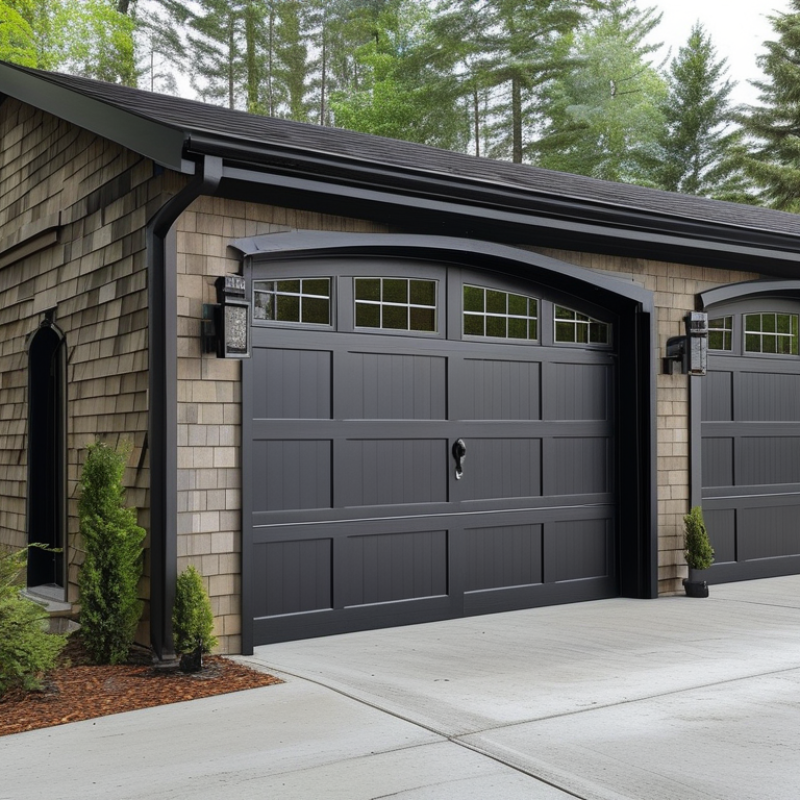
The rising costs of garage doors are significantly influenced by material prices. Components like steel, aluminum, and wood have seen dramatic price increases. Construction disruptions, trade tariffs, and supply chain issues contribute to these spikes. Manufacturers face increased production costs which are inevitably passed on to consumers.
For homeowners, this means investing in a garage door can be costlier than before. Understanding these material costs can help in selecting the right door. Research different materials and their prices. Sometimes, opting for alternative materials can save money.
Tips: Always compare quotes from multiple suppliers. This enables you to gauge the market trends. If prices seem unusually high, it may be worth waiting and watching for better deals. Additionally, consider the long-term costs of materials when making your choice. Investing in durable materials may seem expensive upfront but can save money over time.
| Component | Current Price ($) | Percentage Increase (%) | Material Source |
|---|---|---|---|
| Steel Panels | 250 | 15% | Domestic |
| Garage Door Opener | 150 | 10% | Imported |
| Springs | 50 | 20% | Domestic |
| Track System | 100 | 12% | Imported |
| Weather Seal | 30 | 18% | Domestic |
: Ongoing supply chain disruptions and raw material shortages have caused significant delays in production.
Increased production costs due to shortages are passed on to consumers, leading to higher prices.
Labor shortages and longer wait times have significantly increased installation costs for homeowners.
DIY can save money, but improper installation poses safety risks. Professional help is typically more reliable.
Timing purchases, monitoring local suppliers, and considering custom options may help mitigate issues.
Advanced technology can provide energy savings, enhanced security, and convenience, justifying the initial investment.
Yes, sophisticated features may require specialized technicians, making repairs more challenging.
Research warranty options and evaluate repair services to ensure ongoing support and reliability.
Weigh the long-term savings against upfront costs. Ensure skilled technicians are available for future maintenance.
Impulsive decisions may lead to overspending. It’s important to evaluate needs carefully before buying.
The rising costs of garage doors can be attributed to several interconnected factors. First, the surge in material costs for components has significantly impacted pricing. Additionally, supply chain disruptions have led to reduced availability of these doors, further driving up costs. Labor shortages within the construction industry also contribute to higher installation expenses, as skilled labor becomes scarce.
Moreover, the growing demand for home renovations has intensified the competition in the market, making it challenging to find affordable options. Lastly, advancements in technology have introduced new features that, while beneficial, add to the overall expense. This leads to the essential question: Why are garage doors so expensive lately? The combination of these elements highlights the complexity behind the pricing trends in the garage door industry today.

 DCTan Door