If you've ever noticed a gap under your door, you're not alone. Many homeowners face this issue, which can lead to drafts, pests, and energy loss. Learning how to fix a gap under a door can save you money on heating and cooling bills while improving your home’s comfort.
The good news is that there are several simple methods to address this problem. With the right tools and a little effort, you can achieve effective results without professional help. From weather stripping to door sweeps, each solution offers its unique benefits. However, it's essential to choose a method that fits your door type and household needs.
Consider the long-term implications of a door gap. This situation can lead to wear and tear over time. Choosing the right approach can significantly enhance your door's functionality while preventing future issues. Embrace the opportunity to improve your living space. Fixing that gap under your door might be easier than you think!
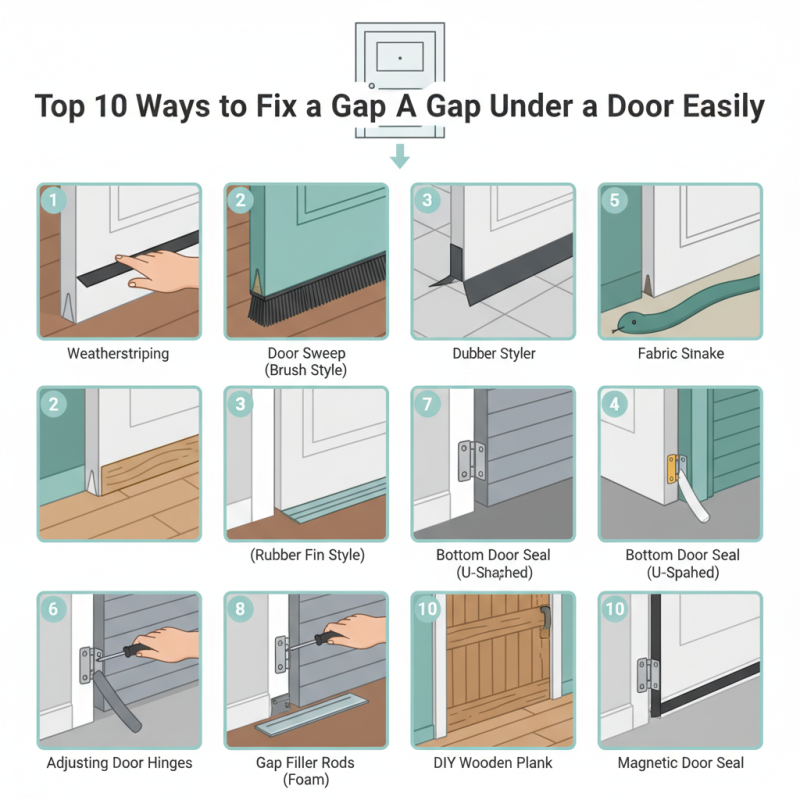
Gaps under doors can be a nuisance. They occur for several reasons. One common cause is improper installation. If the door is not aligned correctly with the frame, it may leave space beneath. Over time, floors can settle or warp due to humidity or changes in temperature. This settling can lead to noticeable gaps.
Another reason is wear and tear. Doors can sag as their hinges age. This sagging can widen existing gaps. Additionally, carpet thickness fluctuating can contribute to the issue. A thick carpet might initially fit, but as it compresses, gaps may appear. Moisture damage can also affect the door's structure, causing it to expand or contract.
Understanding these causes helps you address the problem effectively. Ignoring gaps can lead to drafts and energy loss. You may feel colder in winter and warmer in summer. Regular maintenance and checks can prevent gaps from becoming a bigger issue.
| Method | Materials Needed | Estimated Time | Cost |
|---|---|---|---|
| Weatherstripping | Weatherstrip tape | 30 minutes | $10 |
| Door Sweep | Door sweep kit | 1 hour | $15 |
| Adjusting Hinges | Screwdriver | 30 minutes | $0 |
| Foam Tape | Foam tape | 15 minutes | $5 |
| Threshold Replacement | New threshold | 1 hour | $20 |
| Shims | Wood shims | 30 minutes | $2 |
| Caulking | Caulk and caulking gun | 30 minutes | $10 |
| Draft Stopper | Draft stopper | 5 minutes | $8 |
| Adjusting Door Height | Screwdriver | 30 minutes | $0 |
| Door Bottom Seal | Door bottom seal | 20 minutes | $12 |
: Gaps can occur from improper installation or misalignment. Over time, floors may settle, causing noticeable gaps.
Yes, as hinges age, doors can sag and widen existing gaps. This is a common issue in many homes.
Absolutely. Thick carpets may compress over time, leading to gaps as they settle against the door.
Moisture can cause doors to expand or contract, potentially creating gaps. This is a significant factor to consider.
You can use a rolled towel or fabric as a draft stopper. It's an easy, temporary solution.
Yes, applying weather stripping can minimize energy loss. It's inexpensive but you may need to replace it periodically.
Regular checks are important. Gaps can worsen over time if not addressed, especially during drastic temperature changes.
Yes, ignoring gaps can lead to drafts and energy loss, making your home less comfortable.
A draft stopper made from household items is effective. However, it may not provide a long-term solution.
Definitely. Proper sealing can save on energy costs, helping to maintain a comfortable temperature indoors.
This article provides a comprehensive guide on how to fix a gap under a door, starting with an understanding of the causes behind these gaps, which can occur due to settling, warping, or improper installation. It emphasizes the importance of assessing the gap size, using effective measuring techniques to evaluate the severity of the issue.
The article then outlines common solutions such as weatherstripping, door sweeps, and thresholds, which are practical for sealing gaps. Additionally, it offers DIY methods utilizing household materials for those who prefer a hands-on approach. For individuals who encounter more complex issues or feel uncertain about their abilities, the article suggests when to seek professional assistance. Overall, it equips readers with valuable information to tackle door gaps effectively.

 DCTan Door