When considering interior design, doors often get overlooked. Yet, they play a vital role in defining a space. Homeowners are now asking, "What are the most popular interior door styles right now?" Understanding current trends can enhance your home's appeal.
Modern designs focus on simplicity and elegance. Minimalist doors with clean lines are in vogue. On the other hand, traditional styles also maintain their charm. Rustic wooden doors evoke warmth and character. Each style has its unique benefits, serving varied tastes and functionalities.
As trends evolve, it's essential to reflect on what resonates with you. Are you drawn to sleek looks or classic vibes? This personal touch ensures your home tells your story. Dive into the world of interior doors, and discover what fits your lifestyle best.
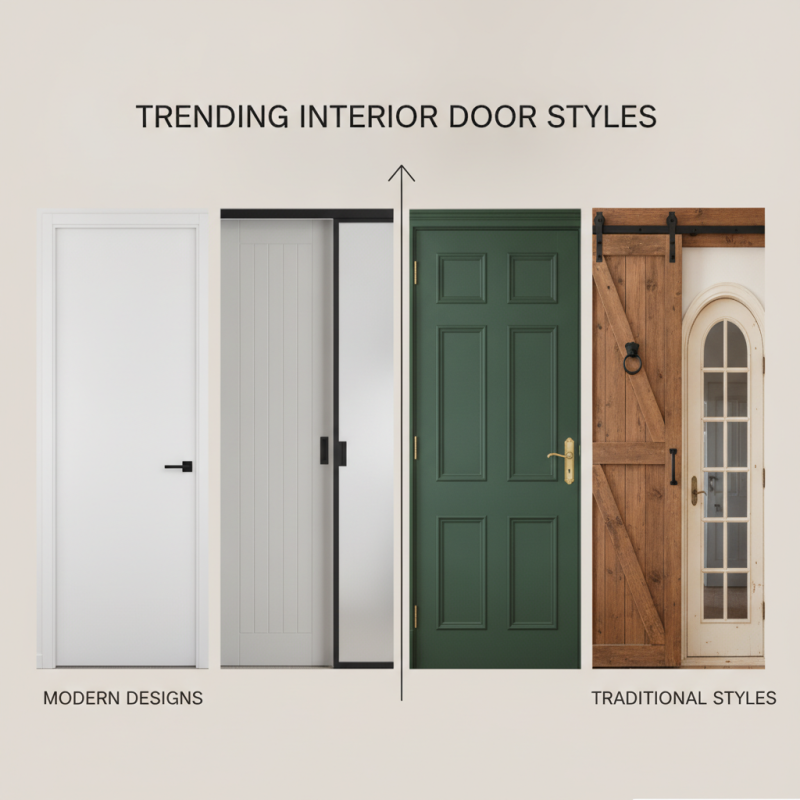
Interior door styles are evolving quickly. Many homeowners are focusing on doors that complement their overall design. One popular choice is the barn door. This style adds rustic charm. It works well in modern spaces, creating a striking contrast. Sliding mechanisms also save space, offering a functional advantage.
Another trend is the use of glass doors. These doors provide a sense of openness. They allow natural light to flow between rooms. In homes with limited space, this can be transformative. However, maintenance is crucial with glass. Fingerprints and dust can easily spoil their appearance, requiring regular cleaning.
Finally, bi-fold doors are gaining traction. Ideal for larger spaces, they open up areas to create a seamless transition. This style caters to both aesthetics and practicality. Still, installation can be complex and may not suit every home. Choosing the right interior door is essential. It reflects personal style while enhancing functionality.
| Style | Material | Ideal Space | Color Trend | Features |
|---|---|---|---|---|
| Barn Door | Wood | Living Room, Kitchen | Natural Wood Finish, White | Sliding Mechanism, Rustic Aesthetics |
| Double Door | Solid Core, Wood | Master Bedroom, Dining Room | Classic White, Dark Stains | Elegant Design, Increased Space |
| Pocket Door | Wood, Glass | Bathrooms, Small Rooms | Frosted Glass, Soft Colors | Space-Saving, Modern Look |
| Bi-Fold Door | Wood, Composite | Closets, Laundry Rooms | Soft Grays, Whites | Compact Design, Easy Access |
| Flush Door | MDF, Wood Veneer | Modern Homes, Offices | Matte Black, Earth Tones | Sleek Lines, Minimalist Style |
: Wood is a popular choice, valued for its beauty and durability. Composite materials are also rising in popularity.
About 40% prefer them for their warm appearance and lasting strength. They do require maintenance and can be costly.
Composite doors combine wood fibers with synthetic materials. They are more affordable and stable against warping.
Glass doors maximize light, making spaces feel larger. Frosted or clear options are popular in open-concept designs.
Transitional doors blend traditional and contemporary styles, often featuring clean lines and subtle details.
They can include elements like arches and mixed materials. A wooden door with glass inserts adds light and character.
Balance between old and new is key. Too much detail can overshadow a simple look.
Hardware choice and texture play significant roles. Sometimes, minor adjustments make a big difference in style.
Yes, glass doors can raise privacy issues. Homeowners should carefully consider their placements.
It can be challenging. Testing combinations of materials and designs helps find the perfect match.
In the ever-evolving landscape of home design, current trends in interior door styles highlight a diverse range of preferences that cater to varying aesthetics. Homeowners are increasingly asking, "What are the most popular interior door styles right now?" Popular materials such as wood, glass, and metal are being embraced, reflecting both functionality and style.
The rise of minimalism has led to a demand for sleek and simple door designs that complement contemporary spaces, while transitional doors are gaining traction by seamlessly blending traditional and modern elements. Color and finish trends also play a significant role, with homeowners opting for bold hues and unique textures to enhance their interiors. Overall, the shift towards personalized aesthetics continues to shape the approach to interior door selections, emphasizing both style and practicality in modern homes.

 DCTan Door