In contemporary architecture, the significance of architectural hardware cannot be overstated. According to a report by MarketsandMarkets, the global architectural hardware market is expected to reach USD 8.5 billion by 2026, driven by innovations in design and sustainability. This growth is reshaping how we perceive functional elements in buildings. Architectural hardware plays a vital role in aesthetics and functionality.
These elements, from sleek handles to robust hinges, enhance not only the durability of structures but also their visual appeal. Design choices in architectural hardware can dramatically influence a space's ambiance. However, the market is saturated, and distinguishing between trend and quality can be challenging.
As architects explore innovative materials and designs, there is a fine line between creativity and practicality. The need for energy efficiency often clashes with aesthetic desires. Stakeholders must reflect on how to balance these aspects in modern design. Understanding the diverse types of architectural hardware is crucial in this endeavor. This article delves into the top ten architectural hardware types that define modern spaces today.
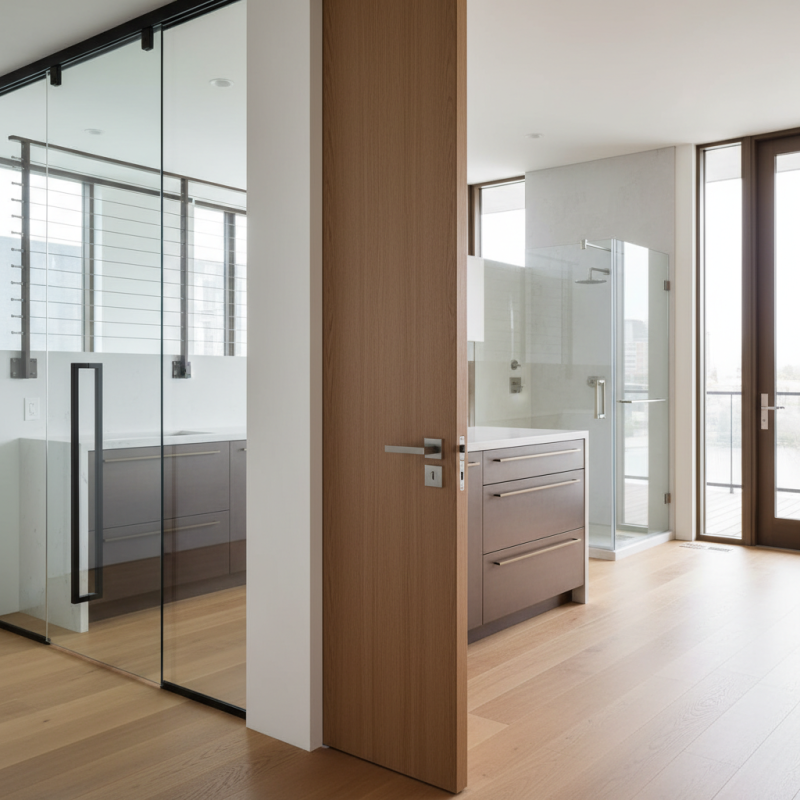
Modern architectural hardware plays a significant role in design. It blends function and aesthetics. Designers now seek innovative materials and finishes. A common trend is minimalism. Hardware should be sleek and unobtrusive. This approach enhances visual flow in a space.
Key features often include versatility and durability. Hardware must adapt to various styles. For instance, matte finishes appeal to modern tastes. Yet, shiny surfaces add a touch of elegance. Many materials also prioritize sustainability. Designers are responding to eco-conscious trends. Recycled products and low-emission options gain popularity.
Functionality cannot be overlooked. Hardware should operate seamlessly, ensuring ease of use. Joints and hinges often require engineering precision. Even slight imperfections can impact usability. Reflecting on these aspects can guide improvements in design choices. Ultimately, the right architectural hardware can transform a space while maintaining practicality.
| Hardware Type | Material | Key Features | Common Applications |
|---|---|---|---|
| Door Handles | Stainless Steel | Durable, corrosion-resistant | Residential and commercial doors |
| Hinges | Brass | Strong, elegant finish | Doors, cabinets |
| Locks | Composite Materials | High security, smart technology | Main entrances, safes |
| Sliding Door Tracks | Aluminum | Smooth operation, lightweight | Patio doors, wardrobes |
| Window Fasteners | Zinc Alloy | Secure, weather resistant | Windows, skylights |
| Cabinet Handles | Plastic and Metal | Variety of designs, comfortable grip | Kitchens, bathrooms |
| Barrier-Free Hardware | Bronze | Accessibility compliant, easy to operate | Public buildings, homes |
| Shelf Supports | Steel | Sturdy, adjustable | Bookshelves, cabinetry |
| Glass Fittings | Stainless Steel | Minimalistic, modern aesthetic | Shower enclosures, partitions |
| Kick Plates | Aluminum | Protective, easy to clean | High traffic doors |
: Modern architectural hardware blends function and aesthetics. It often emphasizes minimalism, versatility, and durability.
Sustainability is crucial as designers prioritize eco-friendly options. They use materials like recycled steel and reclaimed wood.
Minimalism encourages sleek, unobtrusive designs. This approach enhances visual flow within a space.
Innovative designs in door handles create unique shapes. They can even appear sculptural and add artistic value.
Aesthetic choices may overlook comfort or usability. Some beautiful designs may not be practical for everyday use.
Finding local suppliers for green materials can be difficult. Compromise may be necessary for desired design and sustainability.
Innovative coatings like low-VOC finishes can enhance durability. Yet, they may lack the vibrant colors of traditional options.
User experience ensures accessibility and comfort. Beautiful designs should be usable for everyone, not just aesthetically pleasing.
Yes, hardware can showcase personal style. However, balancing beauty with practicality may require occasional adjustments.
Precision in joints and hinges is vital. Even small imperfections can significantly impact usability and overall functionality.
The article "Top 10 Architectural Hardware Types for Modern Design" explores essential features and innovations in contemporary architectural hardware. It highlights key attributes that define modern hardware, including sleek aesthetics, durability, and enhanced functionality. The discussion focuses on common materials utilized in contemporary designs, showcasing how materials like stainless steel and brass are favored for their strength and visual appeal.
Additionally, the article delves into innovative designs in door handles and knobs, emphasizing ergonomic shapes and unique finishes that cater to contemporary tastes. It also examines advancements in modern hinges and locks, which offer improved security and ease of use. A significant aspect of the article is the emphasis on sustainable options in architectural hardware, aligning with eco-friendly design principles. This comprehensive overview showcases how architectural hardware plays a crucial role in enhancing the functionality and aesthetics of modern spaces.

 DCTan Door