China Top 10 Differences Between Solid and Engineered Wood?

Time:2026-05-13 Author:Ethan
0%

When considering flooring options, many buyers wonder, "What is the difference between solid and engineered wood?" Understanding this distinction is crucial. According to industry reports, the global engineered wood market is projected to reach $50 billion by 2026. This growth reflects the increasing popularity of engineered wood due to its versatility and durability.

Solid wood has a classic appeal. It is made from a single piece of timber, providing natural beauty and authenticity. However, it is susceptible to warping and moisture damage. Engineered wood, on the other hand, comprises multiple layers. This design gives it superior stability, allowing it to withstand fluctuations in humidity and temperature. A study by the Wood Products Council highlights that engineered wood can be up to 20% more stable than solid wood.

Buyers should be aware of the trade-offs. Solid wood can enhance a home's value, yet engineered wood offers better performance in various environments. The right choice will depend on personal needs and preferences. Understanding these differences equips consumers with the knowledge to make informed decisions.
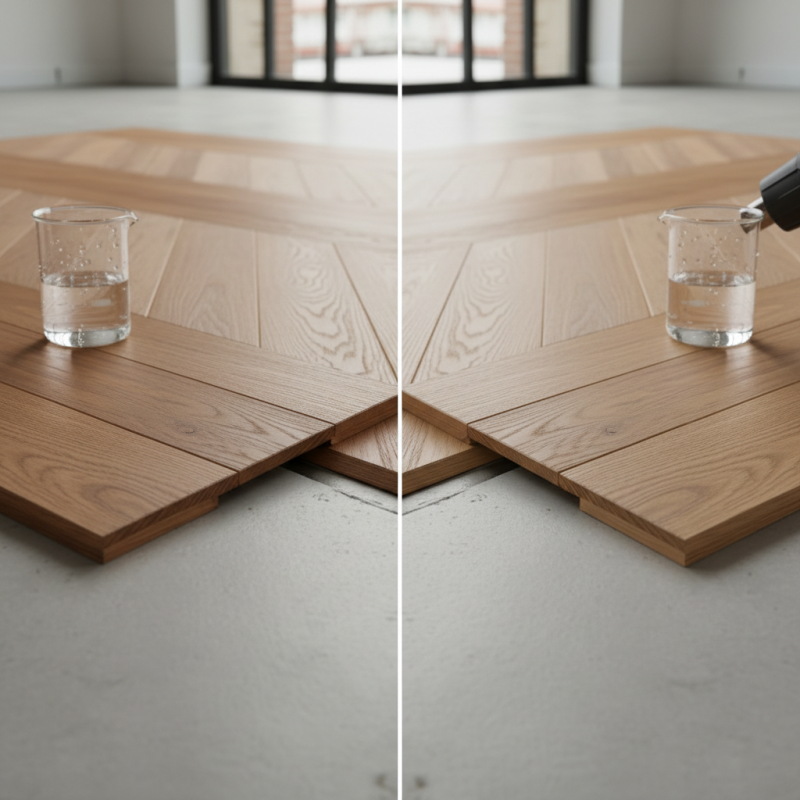
China Top 10 Differences Between Solid and Engineered Wood?

Differences in Composition: Solid vs. Engineered Wood

When comparing solid wood and engineered wood, the main difference lies in their composition. Solid wood is made from a single piece of timber, maintaining its natural grain and durability. Each board is unique, showcasing variations in color and texture. This authenticity appeals to many wood enthusiasts seeking a classic aesthetic. However, solid wood can warp or crack with moisture changes, leading to potential issues over time.

On the other hand, engineered wood comprises multiple layers of wood veneers or fibers glued together. This construction makes it more stable and less prone to warping. The manufacturing process allows for uniformity in appearance, but it can lack the character of solid wood. Engineered wood often features a top layer of real wood, providing a semblance of authenticity. Yet, some consumers question its long-term durability compared to solid wood. Each option has its merits and drawbacks, reflecting varying preferences depending on the desired application and environmental factors.

China Top 10 Differences Between Solid and Engineered Wood

Dimension Solid Wood Engineered Wood
Composition Made from a single piece of timber Made from multiple layers of wood veneer or fibers
Stability Susceptible to warping and cracking with humidity changes More resistant to environmental changes
Cost Generally more expensive More affordable due to efficient use of materials
Weight Heavier due to solid structure Lighter, depending on construction
Appearance Natural beauty, unique grain patterns Can mimic solid wood, varied finishes
Durability Durable when well-maintained Typically more durable over time
Installation More challenging due to weight Easier to install with floating floors
Sustainability Depends on forestry practices Often uses less wood, more eco-friendly
Maintenance Requires regular upkeep and refinishing Generally lower maintenance needs
Sound Insulation Good sound insulation properties May vary, often lower than solid wood

Durability and Longevity: Assessing Solid and Engineered Wood

When assessing durability and longevity, solid wood and engineered wood present differing characteristics. Solid wood comes from a single piece of timber. It is prized for its natural beauty and resilience. Research indicates solid wood can last over 100 years with proper care. However, it is susceptible to warping, moisture, and pests, which may compromise its longevity.

Engineered wood, on the other hand, comprises multiple layers of wood. This design enhances stability and resistance to environmental changes. According to industry reports, engineered wood can last between 30 to 50 years. While it may not have the same aesthetic appeal as solid wood, it is less prone to warping. However, it can be subject to scratching and dents, particularly in high-traffic areas.

Both types have their own sets of challenges. Solid wood requires regular maintenance, which can be time-consuming. Engineered wood often has a less luxurious feel. Some consumers may overlook the importance of installation quality for engineered wood. Poor installation can lead to issues down the line. Understanding these differences helps consumers make informed choices suited to their needs.

Aesthetic Appeal: Visual Differences between Solid and Engineered Wood

When considering aesthetic appeal, the visual differences between solid wood and engineered wood become crucial. Solid wood boasts a unique grain pattern and texture that often convey warmth and authenticity. Each piece has its distinct look, which many find appealing. Data shows that 70% of homeowners prefer the natural charm of solid wood floors in living spaces. They are often chosen for their potential to age gracefully, adding character to a room over time.

On the other hand, engineered wood offers versatility in design. Available in a range of finishes, it mimics the appearance of solid wood while providing additional stability. This product typically uses high-quality, thin layers of real wood on top of a composite base. According to industry reports, engineered wood can be made in various styles, reflecting contemporary or rustic trends. It appeals to those who seek affordability without sacrificing visual quality. However, some may argue it lacks the same depth as solid wood. The thin veneer might not resonate with purists looking for genuine depth in texture.

Understanding these visual aspects can help homeowners make informed choices. The decision hinges on personal preference and aesthetic values. While many appreciate solid wood's timelessness, engineered wood opens up a world of design possibilities. It's essential to reflect on what suits both the space and lifestyle best.

Cost Comparison: Pricing and Value of Solid versus Engineered Wood

When considering solid versus engineered wood, the cost often plays a crucial role. Solid wood typically ranges from $8 to $15 per square foot, depending on the type of wood. In contrast, engineered wood, which consists of multiple layers, usually costs between $3 and $10 per square foot. This substantial difference makes engineered wood an attractive option for budget-conscious consumers.

Durability is another critical aspect to explore. A report from the Wood Floor Association indicates that engineered wood can withstand moisture and temperature fluctuations better than solid wood. However, its lifespan is generally shorter, averaging around 20 to 30 years, compared to solid wood's 50 to 100 years. This raises questions about long-term value versus initial cost.

Maintenance is also a factor that influences value. Solid wood requires refinishing every few years, potentially adding to long-term costs. Engineered wood, with its protective top layer, often needs less frequent refinishing, yet it may be more susceptible to scratches and dents. The decision between solid and engineered wood isn't just about immediate costs—it involves evaluating future expenses and durability. This complexity highlights the importance of thorough research before making a choice.

Environmental Impact: Sustainability Factors for Both Wood Types

When considering the environmental impact of solid versus engineered wood, sustainability plays a crucial role. Solid wood is sourced directly from trees. This process can lead to deforestation if not managed sustainably. In contrast, engineered wood uses wood fibers or particles. This allows for more efficient use of resources.

Engineered wood often comes from thinner layers of wood. These layers are glued together, reducing waste. However, the adhesives used can contain chemicals that harm the environment. It’s essential to choose products with low-VOC emissions for better air quality.

Solid wood has the advantage of being biodegradable. Yet, it requires significant energy to process. Additionally, its quality can vary based on species and origin. Assessing both options means weighing resource use against longevity and potential environmental harm. Understanding these factors can guide more sustainable choices in home construction.

FAQS

: What is the cost difference between solid and engineered wood?

: Solid wood costs around $8 to $15 per square foot. Engineered wood is cheaper, costing $3 to $10 per square foot.

How does the durability of solid wood compare to engineered wood?

Engineered wood handles moisture better but lasts 20 to 30 years. Solid wood lasts longer, averaging 50 to 100 years.

What maintenance is required for solid and engineered wood?

Solid wood needs refinishing every few years. Engineered wood may need less frequent refinishing but is prone to scratches.

Is one type of wood more environmentally friendly than the other?

Solid wood is biodegradable but can lead to deforestation. Engineered wood uses resources more efficiently but may have harmful adhesives.

Can you explain the impact of the adhesives in engineered wood?

Adhesives in engineered wood can release harmful chemicals. Choosing low-VOC products is essential for better indoor air quality.

How should consumers evaluate their choice between solid and engineered wood?

Consider immediate costs, long-term durability, and environmental impact. This choice is complex and requires careful research.

What are the longevity differences between solid and engineered wood?

Solid wood generally lasts much longer. Engineered wood, while durable, has a significantly shorter lifespan.

Do solid and engineered woods require different installation methods?

Yes, installation methods can vary. It's important to consult guidelines for best results with each wood type.

What factors should be considered for sustainability?

Assess resource use, production processes, and potential waste. Weighing these can lead to more eco-friendly decisions.

Is solid wood always high-quality?

No, the quality of solid wood can vary by species and source. Research and selection are crucial for optimal results.

Conclusion

When considering what is the difference between solid and engineered wood, it is essential to examine various factors. Composition plays a crucial role, as solid wood is made from a single piece of timber, while engineered wood is constructed from layers of wood products bonded together, offering enhanced stability. Durability and longevity are also key considerations; engineered wood tends to resist warping and splitting, making it a practical choice in varying climates.

Aesthetic appeal often comes into play, with solid wood showcasing unique grains and natural beauty, whereas engineered options can mimic these traits while providing more design versatility. In terms of cost, engineered wood can be more affordable due to its manufacturing process, yet solid wood is often viewed as an investment. Lastly, environmental impact should not be overlooked, as engineered wood can be more sustainable, using less timber and utilizing by-products from the wood industry. Ultimately, understanding these differences helps in making informed choices for home projects.

Ethan

Ethan

Ethan is a seasoned marketing professional with a deep expertise in our company's innovative product line. With a passion for sharing knowledge and insights, he takes the lead in regularly updating our corporate blog, where he explores industry trends, product features, and effective marketing......