When considering wooden materials for construction or furniture, many face a dilemma: solid wood or engineered wood? Understanding "What is the difference between solid and engineered wood" is crucial for making informed decisions. According to a report by Market Research Future, the global engineered wood market is projected to reach $450 billion by 2025, highlighting its growing popularity.
Industry expert Dr. Mark Green, a renowned wood materials researcher, explains, "Solid wood offers natural beauty and durability, while engineered wood provides superior stability and versatility." This insight underscores the fundamental distinctions between the two types of wood. Solid wood is made from a single piece of timber, offering unique grains and textures. However, it can warp under humidity changes. Conversely, engineered wood consists of layers that give it resistance to moisture and bending.
Despite these clear advantages, the choice boils down to personal preference and specific use cases. Buyers might find engineered wood appealing for its cost-effectiveness and sustainability. However, the tactile warmth and aesthetic of solid wood remain unmatched. While the decision seems straightforward, reflecting on the pros and cons of each option can lead to deeper insights into sustainability and design choices.
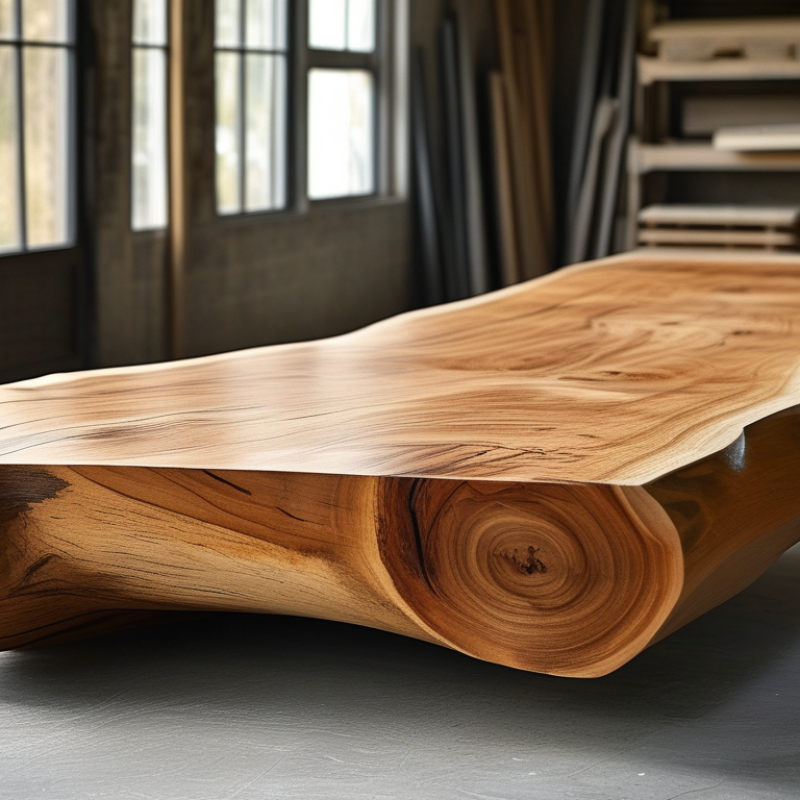
Solid Wood: Definition and Characteristics
Solid wood is celebrated for its timeless appeal and durability. Defined as lumber derived directly from trees, it features a natural grain and unique character. Each piece tells a story, showcasing variations from knots to color differences. These characteristics not only add aesthetic value but also indicate the wood's authenticity. According to the Wood Industry Market Report, solid wood has a lifespan that often surpasses 100 years when properly maintained.
However, solid wood is susceptible to environmental changes. Humidity and temperature fluctuations can cause it to warp or crack. This inherent vulnerability means that homeowners need to be vigilant. The ongoing demand for solid wood continues to rise, driven by buyers seeking quality and natural materials. A survey by the National Wood Flooring Association reveals that 70% of consumers prefer solid wood for its perceived value and long-term investment potential.
Investing in solid wood is not without challenges, though. Sourcing responsibly can be complex. Sustainable practices are crucial to mitigate deforestation and environmental impact. Detailed attention is required to ensure responsible harvesting. This complexity adds layers to the decision-making process for consumers. As interest in eco-friendly products grows, the dialogue around solid vs. engineered wood continues to evolve.
Engineered Wood: Definition and Characteristics
Engineered wood, commonly referred to as composite wood, differs significantly from solid wood. It consists of multiple layers of wood fibers, adhesives, and resins, designed to enhance durability and resistance to moisture. According to a report by the American Wood Council, engineered wood products, such as plywood and oriented strand board (OSB), account for over 45% of wood products used in construction. These materials offer structural strength comparable to solid wood, making them a preferred choice for many builders.
One notable characteristic of engineered wood is its dimensional stability. Solid wood tends to expand and contract with changes in humidity and temperature. In contrast, engineered wood maintains its shape, reducing the likelihood of warping or splitting. A study from the Forest Products Laboratory highlights that engineered wood can outperform solid wood in terms of shear strength, enabling it to support heavier loads. This makes it ideal for various applications, from flooring to furniture.
However, engineered wood is not without limitations. The adhesives used in its production can emit volatile organic compounds (VOCs). This concern necessitates careful selection of products, especially for indoor use. While engineered wood provides numerous benefits, awareness of its environmental impact is essential. Choosing low-emission products can enhance indoor air quality and promote sustainability.
Key Differences Between Solid and Engineered Wood
When choosing between solid and engineered wood, understanding their key differences is essential. Solid wood is made from a single piece of timber, offering natural beauty and durability. According to the National Wood Flooring Association, solid wood can last for generations if properly maintained. However, it is susceptible to changes in humidity and temperature, which can lead to warping.
Engineered wood, on the other hand, consists of multiple layers of wood veneer bonded together. This design provides better stability, making it an excellent choice for areas with fluctuating moisture levels. A report from the Forest Products Laboratory indicates that engineered wood can withstand environmental changes better than its solid counterpart. The cross-layering technique reduces the risk of expansion and contraction.
When selecting wood for a project, consider your environment. For high-moisture areas, engineered wood may be a more reliable option. Check for certifications that ensure the product is sustainably sourced. While solid wood offers unmatched aesthetic appeal, it might require more care. Assess your needs carefully and weigh longevity against your specific conditions.
Solid vs Engineered Wood: Key Differences
| Feature |
Solid Wood |
Engineered Wood |
| Composition |
Made from a single piece of wood |
Consists of layers of wood veneer and composite materials |
| Stability |
Can warp or shrink with humidity |
More resistant to changes in moisture and temperature |
| Cost |
Generally more expensive |
Typically lower cost due to manufacturing process |
| Weight |
Heavier than engineered wood |
Lighter due to its layered structure |
| Durability |
Very durable if well maintained |
Durable, but can be susceptible to scratching |
| Appearance |
Natural look with unique grain patterns |
Can mimic the appearance of solid wood but may lack unique grain |
| Installation |
Can be complex and often requires professional help |
Generally easier to install with click-lock options |
Advantages and Disadvantages of Each Type
When considering solid wood versus engineered wood, it's essential to weigh the advantages and disadvantages of each. Solid wood is prized for its durability and timeless appeal. Its strength comes from being a single piece of lumber. However, it can be sensitive to moisture, leading to warping or cracking over time. Engineered wood, on the other hand, is crafted from layers of wood veneer. This makes it more stable in varying humidity levels.
Engineered wood often costs less. It mimics the look of solid wood, providing aesthetic appeal. Yet, some people find it lacks the authenticity of solid wood. The manufacturing process may also involve adhesives that can emit volatile organic compounds (VOCs). This raises concerns about indoor air quality, making solid wood the healthier choice for some buyers.
When choosing between these two types, consider your specific needs. Vintage charm? Solid wood may be better. Need something with modern resilience? Engineered wood could suit your space. It’s crucial to assess the environmental conditions of your area. Moisture-rich environments may not be ideal for solid wood. Reflect on long-term maintenance as well. Solid wood floors may require refinishing, while engineered wood can be more forgiving in this regard.
Common Uses and Applications for Solid vs Engineered Wood
When comparing solid wood and engineered wood, each type serves distinct purposes in construction and design.
Solid wood, typically sourced from a single piece of timber, is favored for furniture and cabinetry. Its durability and natural beauty make it an excellent choice for high-end applications.
The Wood Products Council estimates that solid wood can last over 100 years with proper care. However, solid wood can be susceptible to warping and cracking in fluctuating humidity, limiting its use in certain environments.
Engineered wood, on the other hand, is made from layers of wood fibers and adhesives, offering versatility.
It is often used in flooring, beams, and panels, providing structural stability. Studies show that engineered wood can outperform solid wood in terms of load-bearing capacity.
Many builders prefer it for larger constructions due to its resistance to moisture and temperature changes. However, the manufacturing process raises concerns about the environmental impact and the durability compared to solid wood.
Both materials have unique advantages and potential drawbacks. Depending on the application, careful consideration is necessary.
While solid wood is timeless, engineered wood offers practical solutions for modern construction challenges. Understanding these differences helps in making informed choices tailored to specific project needs.
FAQS
: Engineered wood is a composite material made from layers of wood fibers and adhesives.
It consists of multiple layers, enhancing durability and reducing warping compared to solid wood.
Engineered wood is often used in flooring, beams, and panels for structural stability.
Yes, but be mindful of VOCs emitted from adhesives. Choose low-emission products for better air quality.
Engineered wood can outperform solid wood in load-bearing capacity and shear strength.
Solid wood offers natural beauty and durability, often lasting over 100 years with proper care.
Yes, the manufacturing process can have environmental impacts. Awareness of these is crucial.
Yes, solid wood is more susceptible to warping and cracking due to humidity changes.
Consider the application, environmental impact, and desired durability for your project.
Yes, while it provides many benefits, potential VOC emissions and environmental factors must be considered.
Conclusion
When exploring the question, "What is the difference between solid and engineered wood," it is essential to understand the definitions and characteristics of each. Solid wood is derived from a single piece of timber, renowned for its durability, natural aesthetic, and ability to be refinished. In contrast, engineered wood consists of multiple layers of wood or wood composites, providing enhanced stability and resistance to environmental changes.
Key differences include their construction, with solid wood being a traditional option and engineered wood designed for modern applications. Each type has its advantages and disadvantages; solid wood offers longevity and beauty, while engineered wood boasts versatility and resistance to warping. Common uses vary, with solid wood often found in high-end furniture and flooring, while engineered wood is frequently used in areas subject to moisture or temperature fluctuations, such as kitchens and basements.

 DCTan Door