How to Safely Paint a Fire Rated Door in 2026?

Time:2026-06-10 Author:Henry
0%

Painting a fire rated door can be a challenging task. Homeowners often wonder, “Is it safe to paint a fire rated door?” Fire rated doors serve a crucial role in safety. They help prevent the spread of flames during a fire. Thus, any alterations require careful thought.

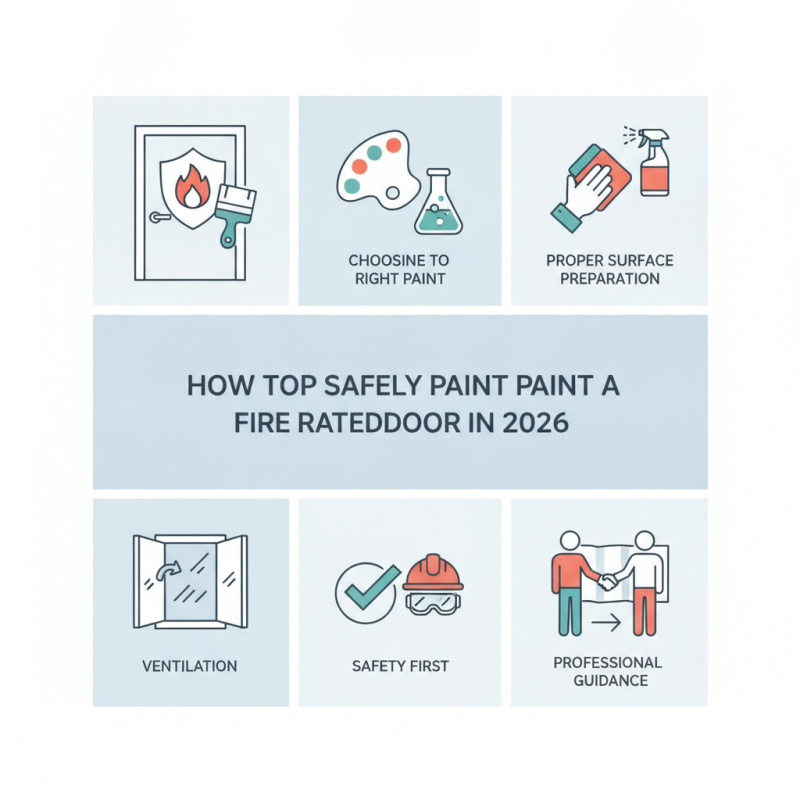
Choosing the right paint is essential for maintaining the door's effectiveness. Not all paints are suitable for fire rated doors. Using the wrong type can compromise safety measures. Proper preparation of the door surface is also vital. This involves cleaning and sanding to ensure the paint adheres well.

Moreover, ventilation is important during the painting process. Proper airflow prevents harmful fumes from accumulating. Remember, safety should always be the top priority. Addressing these details carefully can help ensure that the door remains functional. It's worth considering professional guidance if you're unsure about the process.
How to Safely Paint a Fire Rated Door in 2026?

Essential Safety Guidelines for Painting Fire Rated Doors

When painting fire rated doors, safety is paramount. Fire rated doors are designed to resist flames and smoke. Any alteration, including painting, must adhere to specific guidelines. Studies show that improper painting can compromise the fire ratings, leading to serious hazards.

Using non-combustible or fire-retardant paint is essential. According to the National Fire Protection Association, nearly 80% of all fire-related deaths occur in residential settings. Thus, ensuring the door's integrity while upgrading its appearance is crucial. Avoid thick coatings that can trap heat, increasing the risk of failure during a fire.

Preparation is key. Sand the door lightly and clean it with a non-flammable solvent. This ensures proper adhesion and maintains the door’s specifications. Inspecting the door after painting for any imperfections is vital, as tiny flaws can weaken its safety features. The absence of quality control can lead to potentially life-threatening situations in an emergency. Always follow the manufacturer’s specifications and local building codes.

Understanding Fire Rated Door Specifications and Options

When considering fire rated doors, understanding their specifications is crucial. In 2026, fire rated doors are categorized based on their resistance to fire exposure. Common ratings include 20, 45, 60, and 90 minutes. According to the National Fire Protection Association (NFPA), these ratings help gauge the door's ability to withstand fire and smoke. The right selection ensures safety and compliance with building codes.

Material choice is another vital aspect. Steel and wood are common options, each with distinct advantages. Steel doors often provide better durability and fire resistance. Wood doors, when properly treated, can also meet many fire safety standards. A study from the Door and Hardware Institute indicates that 80% of fire door failures occur due to improper installations. This statistic underscores the importance of using qualified professionals for installation and maintenance.

Maintaining the integrity of a fire rated door is not always straightforward. Regular inspections are essential. Signs of wear or damage must be addressed promptly. Ignoring these issues could lead to significant safety risks. For instance, malfunctioning hardware can compromise the door’s effectiveness. Understanding the specifics and options available will ensure these doors serve their purpose effectively in an emergency.

How to Safely Paint a Fire Rated Door in 2026? - Understanding Fire Rated Door Specifications and Options

Aspect Details
Material Steel or fiberglass
Fire Rating 30, 60, or 90 minutes
Preparation Steps Clean, sand, and prime
Recommended Paint Type Intumescent paint or fire-resistant paint
Application Method Brush, roller, or spray
Curing Time 24-48 hours before use
Safety Precautions Wear gloves, masks, and ensure ventilation

Preparing the Door Surface for a Safe Paint Job

Preparing the surface of a fire rated door is crucial for a safe paint job. Start by inspecting the door closely. Look for any dents, scratches, or peeling paint. These flaws can affect both the appearance and performance of the paint. A smooth surface promotes better adhesion. You may need to sand areas with imperfections. Use medium-grit sandpaper to level the surface.

Keep safety in mind while prepping the door. Always wear gloves and a mask to protect yourself. Consider using a dust mask if sanding. You can wipe down the door with a damp cloth afterward to remove dust particles. For any rust or corrosion, apply a metal primer designed for high-heat environments. This step is vital for maintaining fire resistance.

Using appropriate techniques can lead to an effective painting process. Apply painter’s tape to edges to avoid splatters. Take your time when painting as rushing may lead to uneven coats. Remember, a well-prepared surface ensures durability and a professional finish. Don't expect perfection; minor flaws can happen, and that’s alright. The goal is to achieve a balance between safety and aesthetics.

Choosing the Right Paint and Tools for Fire Rated Doors

When painting a fire-rated door, selecting the right paint and tools is crucial. Fire-rated doors require specific types of coatings. Choose a paint that is specifically labeled as fire retardant. These paints have additives that help to reduce flames and smoke spread. Moreover, ensure the paint is appropriate for an exterior surface if your door faces the outside. The durability of the finish is just as important as the fire-rating.

For tools, opt for high-quality brushes or rollers. Foam rollers can provide a smooth finish without leaving marks. Always keep a small brush on hand for touching up corners. Preparation is key. Properly clean the door and lightly sand it for better adhesion. Pay attention to the primer; an excellent primer enhances the effectiveness of your paint.

Paint application can be challenging. Ensure even coverage, applying thin, multiple layers instead of one thick layer. Watch for drips and runs, as these could compromise your door’s effectiveness. Consider that not every product will adhere perfectly. Testing a small section can save you from larger issues later. Be prepared for adjustments and refinements along the way. Accept that some imperfections might arise, and adapt your approach as necessary.

Step-by-Step Painting Process and Safety Precautions

When painting a fire rated door, safety must be your top priority. Start by choosing the right materials. Use paint specifically designed for fire rated surfaces. Ensure you have proper ventilation. Open windows or use fans to keep the air fresh and reduce fumes. Wear protective gear, including gloves and a mask. This minimizes the risks of inhaling harmful chemicals.

Clean the door thoroughly before painting. Remove old paint and debris with a scraper or sandpaper. This step is essential for good adhesion. If the door has any damage, repair it first. It can affect the door's fire rating. Apply primer after cleaning. A good primer helps the paint stick better and enhances durability.

While painting, use even strokes. Overlapping can create unsightly marks. Don’t rush; take your time for a precise finish. Monitor the drying time recommended by the paint manufacturer. If you're unsure about your technique, consider practicing on a scrap piece first. Reflecting on your approach can uncover areas for improvement. Aim for quality and safety in every step.

How to Safely Paint a Fire Rated Door in 2026

FAQS

: Why is safety important when painting fire rated doors?

: Safety is crucial because improper painting can compromise the door's fire rating, leading to severe hazards.

What type of paint should be used for fire rated doors?

Use non-combustible or fire-retardant paint to maintain the door’s integrity and compliance with safety standards.

How can improper painting affect fire rated doors?

Thick coatings can trap heat and increase the risk of failure during a fire, making the door less effective.

What preparation is necessary before painting a fire rated door?

Lightly sand the door and clean it with a non-flammable solvent to ensure proper adhesion and maintain specifications.

What should be inspected after painting a fire rated door?

Check for any imperfections, as even tiny flaws can weaken the door's safety features and effectiveness in emergencies.

What are common fire rated door ratings?

Common ratings include 20, 45, 60, and 90 minutes, indicating the door’s ability to resist fire and smoke exposure.

What materials are commonly used for fire rated doors?

Steel and wood are common, with steel offering better durability and fire resistance, and wood requiring proper treatment.

How often should fire rated doors be inspected?

Regular inspections are essential to identify wear or damage, which can significantly impact safety during emergencies.

Can DIY installation affect fire rated door performance?

Yes, improper installations can lead to failures; it's important to hire qualified professionals for installation and maintenance.

What happens if maintenance is ignored for fire rated doors?

Ignoring maintenance can lead to significant safety risks, such as malfunctioning hardware compromising the door’s effectiveness.

Conclusion

Painting a fire rated door requires careful consideration to ensure safety and compliance with relevant standards. First, it's important to understand the specifications of fire rated doors, as these doors serve a critical role in preventing the spread of fire and smoke. Essential safety guidelines should be followed, including assessing the integrity of the door before painting.

Preparing the surface properly is crucial for a successful and safe paint job. Selecting appropriate paint and tools designed for fire rated applications is essential to maintain the door’s fire-resistant properties. Following a detailed step-by-step process while adhering to safety precautions ensures that the work is done correctly. Ultimately, one may wonder, "Is it safe to paint a fire rated door?" Yes, it is safe as long as the painting is done with the right materials and methods to maintain the door's protective features.

Henry

Henry

Henry is a dedicated marketing professional with a profound expertise in the company's offerings. With years of experience in the industry, he possesses an impressive understanding of the market dynamics and consumer behaviors that drive success. Henry is committed to sharing his insights through......