How to Safely Paint a Fire Rated Door

Time:2026-10-24 Author:Madeline
0%

Can a fresh coat of paint improve a fire rated door without weakening its protection? This guide explores the question, “Is it safe to paint a fire rated door,” through practical inspection steps and trusted fire-door guidance. A fire door is not ordinary timber or metal. Its leaf, frame, hinges, closer, latch, seals, and glazing work together during a fire.

Lori Greene, an Allegion code and compliance expert, states, “Fire doors are required to be self-closing and self-latching.” That short warning matters. Paint must never block the closer, cover the latch, fill the frame gap, or hide the certification label. Around a busy corridor, even a small paint ridge can prevent the door from closing completely. That detail is easy to miss.

The safest approach begins with the manufacturer’s instructions and the door’s existing condition. Use a compatible, thin coating. Keep intumescent seals, hinges, hardware, and identification markings clean. Do not paint over damaged surfaces and hope appearance solves the problem. It will not. A qualified inspector should review unusual doors, heavy corrosion, damaged labels, or uncertain modifications. Local requirements and approved product systems may also differ.

This article will explain preparation, masking, application, drying, and final testing. It will also question common shortcuts, because “just one quick coat” can create a serious weakness. The goal is not merely a better-looking door. It is a door that still closes, latches, and performs as intended when every second matters.
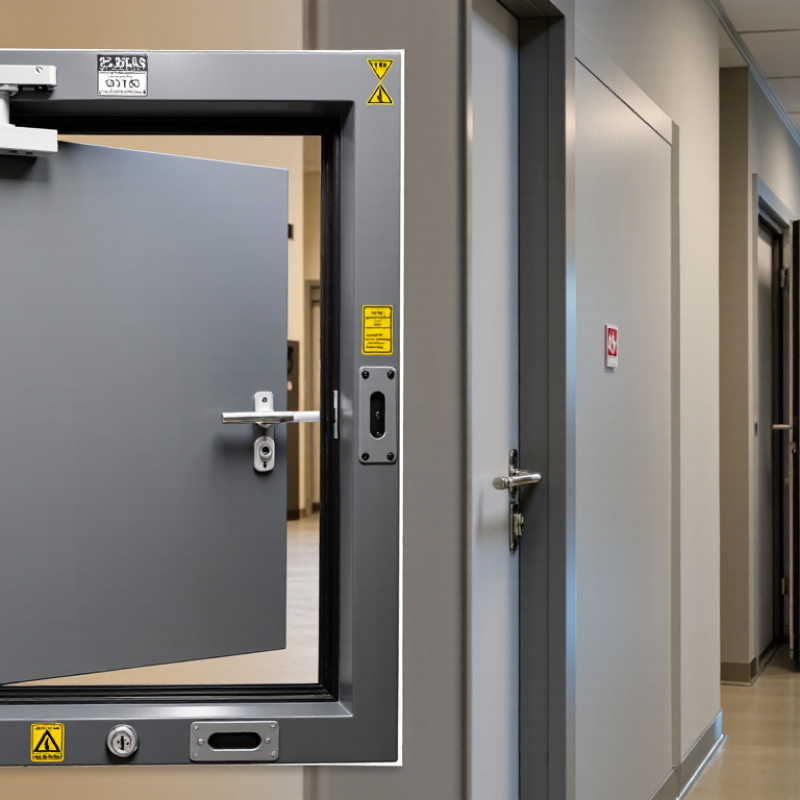
How to Safely Paint a Fire Rated Door

Identify the Door’s Fire Rating: 20 Minutes to 3 Hours

How to Safely Paint a Fire Rated Door

Identify the door’s fire rating before opening a paint can. Fire-rated doors commonly carry labels for 20, 45, 60, 90, or 180 minutes. The permanent label, not the door’s appearance, confirms the tested rating. Check the hinge edge, top edge, or frame for this information. NFPA 80, 2022 edition, requires fire door assemblies to remain properly labeled, operational, and inspected. A 20-minute door is not automatically interchangeable with a 3-hour assembly. That assumption fails. NFPA’s Fire Loss in the United States During 2023 report recorded about 1,504,500 fires, showing why small maintenance choices deserve attention.

Tips: Photograph the rating label first. Use a coating approved for the door material and follow its technical data sheet. Keep paint off intumescent seals, smoke gasketing, hinges, latches, and closing devices. Do not paint over labels. A thin, even coat is safer than repeated heavy layers. Allow full curing before closing the door.

Before painting, confirm the door and frame belong to the same rated assembly. UL 10C fire-test criteria evaluate assemblies under controlled conditions, not isolated door slabs. Remove dirt and loose coating gently. Avoid sanding that damages the label or exposes unprotected metal. After painting, verify self-closing, positive latching, clearance, and seal contact. NFPA 80 inspection guidance supports checking these operating features. I would not rely on a visual check alone. A clean finish can hide a damaged seal or weak latch. When the rating is unclear, ask a qualified fire-door inspector to verify the assembly.

How to Safely Paint a Fire Rated Door - Identify the Door’s Fire Rating: 20 Minutes to 3 Hours
Fire-Door Rating Typical Label or Marking Safe Painting Approach Areas That Must Remain Unaltered
20 minutes A permanent certification label or metal fire-rating tag, usually located on the hinge edge or top edge of the door. Confirm the label and product listing before painting. Use a compatible coating system applied in light, even coats without filling gaps or hardware openings. Certification label, intumescent or smoke seals, hinges, latching hardware, closer components, and the door clearance around the frame.
45 minutes A listed fire-door label identifying the tested assembly and its required hardware or frame conditions. Clean and lightly prepare the surface using methods permitted by the door manufacturer or listing. Allow each coat to dry fully before rehanging or closing the door. Label, edge seals, bottom gap, vision-panel glazing, hardware, and any field-installed fire-protection components.
60 minutes A 1-hour or 60-minute fire-door label, commonly applied to the hinge edge or top edge. Verify that the primer and topcoat are suitable for the existing substrate and listed assembly. Avoid excessive film thickness that could interfere with closing or latching. Fire label, seals, latching mechanism, hinges, closer, flush bolts, glazing, and required clearances.
90 minutes A 90-minute or 1-1/2-hour label showing that the door assembly was tested as a complete system. Use only coatings and surface-preparation procedures allowed by the listing. Protect the label during preparation and painting; do not sand, scrape, or coat over it. Certification label, perimeter and meeting-stile seals, fire-rated glazing, hardware, louvers, and the door-to-frame clearances.
120 minutes A 2-hour or 120-minute label associated with the tested door, frame, glazing, and hardware configuration. Do not assume that any paint is acceptable. Check the listing, substrate requirements, permitted dry-film thickness, and any restrictions on field-applied coatings. All labels, fire seals, glazing systems, latching hardware, closer, hinges, edge surfaces, and frame clearances.
180 minutes / 3 hours A 3-hour or 180-minute label, normally requiring strict compliance with the tested assembly and installation conditions. Obtain written confirmation from the listing authority, manufacturer, or qualified fire-door professional before painting. Use the specified coating system and application limits. Certification label, seals, glazing, louvers, hardware, frame, edge clearances, and every component identified by the assembly listing.
Important safety checks before painting: Confirm the permanent fire-rating label, identify the complete listed assembly, inspect the door and frame for damage, and verify that the door self-closes and positively latches. Never paint over the label, seals, glazing, hardware, or required clearances. If the rating cannot be verified, consult the local authority having jurisdiction or a qualified fire-door inspector before work begins.
General rule: A fire-rated door is tested as an assembly. Painting the door surface does not increase its fire rating, and an unsuitable coating or excessive paint buildup may affect operation, labeling, seals, or compliance.

Check NFPA 80 Labels, Hardware, Gaps, and Annual Inspection Rules

Before painting a fire-rated door, locate its certification label on the door edge or frame. Never sand, cover, or remove it. The label identifies the tested assembly and its permitted materials. NFPA 80 requires fire door assemblies to remain compatible with their listed construction. Use thin, fully cured paint coats, and keep paint away from hinges, latches, strikes, closers, exit devices, and intumescent seals. A rushed touch-up is easy to regret.

Clearances matter more than color. Measure the gaps at the head, jambs, and bottom before painting, then compare them with the locally adopted NFPA 80 edition. Do not trim, weld, drill, or install unapproved hardware to correct a poor fit. The door should close completely from any open position and latch without assistance. Check the frame too. Even careful work can miss a bent stop or loose anchor.

NFPA 80 requires documented inspection and testing at least annually by a qualified person. The inspection should verify labels, hinges, hardware, closing action, latching, seals, glazing, and visible damage. Record the date, inspector, deficiencies, and corrective work. NFPA estimated 1,388,500 U.S. fires in 2023, with property losses exceeding 22 billion dollars. That figure does not prove every door failure matters, but it supports disciplined maintenance. Local fire officials or the authority having jurisdiction may require more frequent checks. Paint may look finished. The inspection is not.

Choose a Listed, Compatible Paint and Keep Intumescent Coatings Unaltered

How to Safely Paint a Fire Rated Door

Painting a fire rated door requires more care than refreshing an ordinary interior door. I once saw a door painted beautifully, yet its label and edge seals were covered. That small mistake could affect inspection and performance. Check the door label, installation instructions, and coating approval before opening a paint tin. Use only a listed paint that is compatible with the existing surface and fire rating. If the coating system is unclear, ask the door manufacturer or a qualified fire door inspector.

Intumescent coatings need special attention. They expand under heat and help protect the door assembly. Do not sand, scrape, dilute, or cover them with an unapproved product. Avoid painting over intumescent edge strips, vision panels, hinges, latches, seals, or certification labels. Clean gently, repair only with approved materials, and apply thin, even coats. Keep paint away from moving parts. Allow each coat to dry fully. Rushing this step is tempting, but it can leave soft paint around the frame.

Tips: Photograph the door before work begins. Record the paint type, batch, and application date. Use a small brush near hardware and masking tape only where it will not disturb seals. Check that the door closes, latches, and seals correctly afterward. I would also inspect the finish in daylight; missed edges are common. When the instructions conflict, stop and obtain written technical guidance instead of guessing.

Prepare Surfaces Without Painting Labels, Hinges, Closers, or Latches

Painting a fire-rated door starts with protection, not color. NFPA 80 requires fire-door labels to remain visible, legible, and undamaged. Cover the label with a rigid shield, not only masking tape. Tape can leak paint around its edges.

Clean the door with a suitable degreaser, then remove loose coating with fine abrasive paper. Do not grind deeply into the steel. Protect hinges, closers, latches, and strike plates with removable covers. Paint on moving parts can restrict travel or prevent proper latching. That small mistake matters. NFPA’s Fire Loss in the United States report recorded more than 1.5 million fire incidents in 2023, showing why reliable compartment protection remains practical, not cosmetic.

Check the door edges, frame clearance, and intumescent seals before applying primer. Keep paint away from seals unless the seal manufacturer permits coating. Apply thin coats with a controlled brush or roller, avoiding heavy buildup near the latch. A door closer should still move smoothly by hand after painting. Test the latch without forcing it. I have seen rushed masking leave a readable label but a sticky latch. That is not a successful finish. If the label becomes damaged, stop work and contact a qualified fire-door inspector before proceeding. Local requirements, approved repair procedures, and the door’s listing always control the final decision.

Apply Thin Coats and Preserve the Maximum 1/8-Inch Edge Clearance

How to Safely Paint a Fire Rated Door

Painting a fire-rated door requires restraint, not heavy coverage. Confirm the rating label and approved coating instructions before preparing the surface. Clean dust, grease, and loose paint with a suitable method. Protect the label, hinges, latch, closer, and fire seals from damage. If a seal must be removed, follow the door’s installation instructions.

Apply several thin coats instead of one thick coat. Heavy paint can collect along the door edges and reduce the required clearance. Keep the edge clearance at no more than 1/8 inch around the frame. Use a small brush near the latch and hinge edges. A wet film that looks harmless can harden into interference. Measure the gap after each coat with a ruler or clearance gauge. Allow every coat to dry fully.

Check the door’s swing and self-closing action before returning it to service. It should close completely and latch without force. Do not paint over fire seals unless the approved instructions specifically allow it. A common field mistake is focusing on the visible face while ignoring the edges. I have found that small paint ridges are easy to miss under bright light. That deserves a second inspection. The final check should include the top edge, hinge corners, frame stops, and latch area.

FAQS

Where should I look for the fire-rated door label?

Check the door edge or frame. Keep the label visible, legible, and undamaged.

Can I paint over the certification label?

No. Cover it with a rigid shield during painting. Masking tape alone may let paint seep underneath.

Which parts should remain free of paint?

Keep paint away from hinges, latches, strikes, closers, exit devices, and fire seals. Small buildup can stop movement.

How should I prepare the door surface?

Clean dust, grease, and loose coating with suitable materials. Use fine abrasive paper, not deep grinding.

How much paint should I apply?

Apply several thin, fully cured coats. Heavy paint may form ridges near the edges and latch.

What clearance should I check around the door?

Keep edge clearance no more than 1/8 inch, unless the locally adopted standard requires another measurement.

What should I test after painting?

Open the door from different positions. It should close completely and latch without force or assistance.

How often should the assembly be inspected?

A qualified person should document inspection and testing at least annually. Local officials may require more frequent checks.

What should an annual inspection record include?

Record the date, inspector, deficiencies, and corrective work. Review labels, hinges, hardware, seals, glazing, closing, and latching.

What should I do if the label or seal becomes damaged?

Stop the work. Contact a qualified fire-door inspector before continuing, because approved repair procedures may control the decision.

Conclusion

Is it safe to paint a fire rated door? It can be, but only when the work preserves the door’s tested fire-resistance assembly. First, identify its rating, which may range from 20 minutes to 3 hours, and review the NFPA 80 label, hardware requirements, clearances, and annual inspection rules. Use only a listed, compatible coating, and do not cover, remove, or alter an intumescent coating that is part of the approved system.

Before painting, clean and lightly prepare the surface without damaging the label or coating. Keep paint off hinges, closers, latches, and other hardware, since buildup may affect operation. Apply thin, even coats rather than allowing heavy layers to collect around the edges. Most importantly, preserve the required maximum 1/8-inch edge clearance so the door can close and latch correctly. After painting, confirm that all hardware functions properly and arrange an inspection if the door’s label, coating, or operation may have been affected.

Madeline

Madeline

Madeline is a dedicated marketing professional with a wealth of expertise in our company's core offerings. With a keen understanding of the industry, she brings a unique perspective to her role, consistently delivering high-quality content that highlights the superior aspects of our products. As......