When considering the question, "Can I install wood flooring over tile?" many homeowners find themselves at a crossroads. Experts like John Smith, a renowned flooring specialist, emphasize, “It's crucial to assess the condition of your tile before making a decision.” This brings us to the critical first step in your flooring journey.
Wood flooring can add warmth and beauty to a space. However, every situation is unique. Concrete tiles, for example, might offer a sturdy base. Yet, hidden cracks or moisture issues could pose future problems for the wood. Additionally, the height differences created by adding wood over tile may affect door placements and transitions.
As you weigh your options, remember to consider the following: Do you want to avoid extensive prep work? Are you prepared for potential complications? While it may seem an innovative solution, reflecting on these concerns is essential. Proceed wisely to ensure that your flooring choice aligns with both aesthetics and practicality.
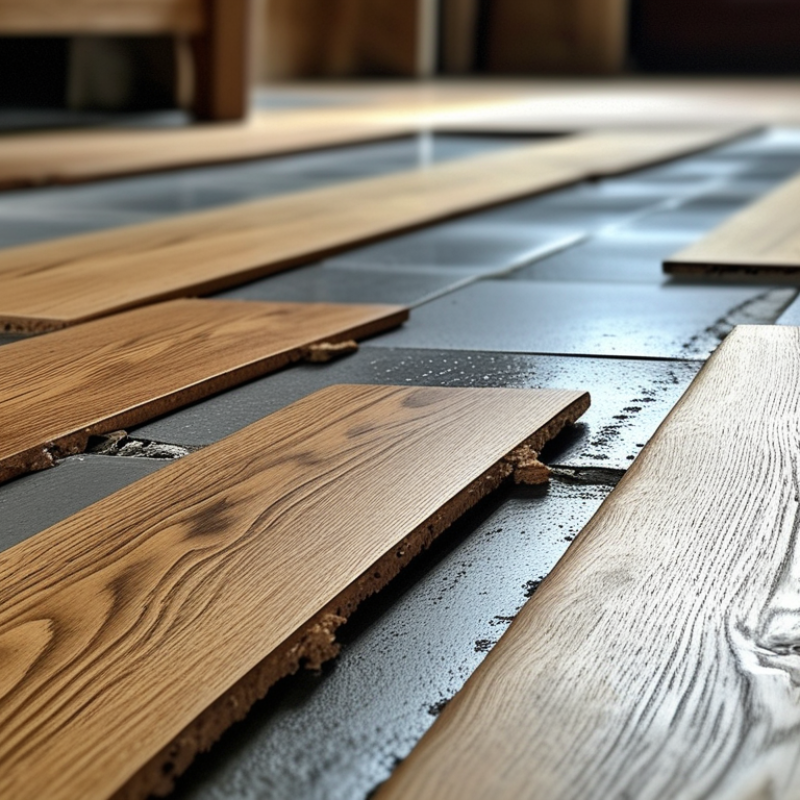
Understanding the Compatibility of Wood Flooring and Tile Surfaces
When considering the installation of wood flooring over tile, it's crucial to assess compatibility. Tile surfaces are often rigid, which can influence the wood's expansion and contraction. According to the National Wood Flooring Association, wood can expand up to 1 inch for every 10 feet during seasonal changes. This natural movement may lead to issues such as buckling or gaps if not properly accommodated.
Proper preparation of the tile surface is essential for successful installation. The tile should be clean, level, and free from cracks. A report from the National Association of Home Builders suggests that an unlevel surface can cause uneven wear on wood flooring. Additionally, using the right underlayment can drastically improve stability and sound absorption. The choice of underlayment materials can make a significant difference in the longevity of the flooring.
It's also worth noting that the weight of wood flooring can pose challenges on certain tile types. For example, ceramic and porcelain tiles are generally more resilient than others. However, if the tile is already damaged or worn, the added weight from the wood may exacerbate issues. Regular inspection of both surfaces is a wise practice to prevent potential problems.
Assessing the Condition of Existing Tile Before Installation
When considering wood flooring over tile, assessing the existing tile condition is crucial. A study from the National Wood Flooring Association indicates that stable and clean tile can support new flooring effectively. However, if the tile is cracked or loose, it can weaken your wood installation. The weight of wood flooring adds stress; thus, a solid foundation is imperative.
Check for any water damage or mold on tile surfaces. These issues can lead to serious problems in the future. Make sure to inspect grout lines and seams closely. A 2020 report highlighted that improper preparation leads to approximately 30% of flooring failures. Addressing these concerns before installation is essential for long-term success.
Tip: Use a level to ensure tile surfaces are even. If not, leveling compounds may be necessary. Also, consider using a moisture barrier to prevent issues related to humidity. Skipping these steps can cause warping and gaps in flooring. It’s better to take extra time now than face costly repairs later.
Preparing the Tile Surface for Wood Flooring Installation
Preparing the tile surface for wood flooring installation is crucial for a successful outcome. A proper base ensures longevity and prevents potential issues. Many homeowners consider laying wood over tile to save time. However, neglecting the preparation process can lead to complications.
Start by cleaning the tile thoroughly. Use a degreaser to remove dirt and grime. According to flooring experts, a clean surface improves adhesion by 50%. After cleaning, inspect for cracks or unevenness. Repairing these areas can prevent future problems. Uneven surfaces can cause the wood to warp or shift over time.
Next, consider adding an underlayment. This layer helps absorb sound and provides cushioning. Some studies show that using an underlayment can reduce noise transfer by up to 30%. Ensure there are no moisture issues in the tile beneath. Excess moisture can weaken the adhesive bond, making it vital to check humidity levels beforehand. Ignoring these details may result in costly repairs down the line.
Surface Preparation for Wood Flooring Installation Over Tile
Choosing the Right Type of Wood Flooring for Tile Overlays
When considering wood flooring over tile, selecting the right type of wood is crucial. Many homeowners are surprised to learn that not all wood flooring is suitable for installation over tile. According to a report by the National Wood Flooring Association, engineered wood flooring is often recommended for such projects due to its stability and moisture resistance. On the other hand, solid hardwood may not perform well when placed directly over a tiled surface.
It's essential to ensure the tile is level before installation. Uneven tiles can lead to gaps and creaking noises after installation. A flooring underlayment can smooth out minor irregularities and provides additional insulation. Many experts advise against installing wood flooring in areas prone to moisture. Areas like kitchens and bathrooms may present challenges, impacting the longevity of the wood.
**Tips:** Always check the tile condition before installation. If the tile job is cracked or loose, repair it first. Remember to allow wood flooring to acclimate to the environment before installation. This step can prevent expansion and contraction issues later. Lastly, consider hiring a professional to assess the installation process and prevent common mistakes.
Potential Issues and Solutions When Installing Wood Flooring Over Tile
When considering wood flooring over existing tile, homeowners face specific challenges. One significant issue is the height difference. Installing wood adds inches to the floor height. This change can lead to awkward transitions. Doors may need trimming to accommodate the new floor level.
Another potential problem is moisture. Tile may retain moisture, which can harm wood over time. Make sure to use a vapor barrier for protection. This step can prevent costly damage. The surface of the tile must also be even. Uneven tiles can create gaps or cause the wood to buckle.
Lastly, consider the installation method. Glue, nails, or floating floors each have pros and cons. Proper choice affects durability and aesthetics. Insufficient preparation can lead to regrets later. Therefore, assess your tile condition thoroughly before proceeding. This careful analysis ensures a more successful installation.
Can I Install Wood Flooring Over Tile Without Issues? - Potential Issues and Solutions When Installing Wood Flooring Over Tile
| Issue |
Description |
Potential Solutions |
| Height Difference |
Installing wood flooring over tile can create an uneven floor height, leading to tripping hazards. |
Use a transition strip or ensure the floor height is accounted for in the installation plan. |
| Moisture Issues |
Tiles may be prone to moisture retention, which can damage wood flooring. |
Install a moisture barrier before laying down the wood flooring. |
| Adhesive Compatibility |
Not all adhesives work well with both the tile and wood materials. |
Choose an adhesive specifically designed for wood flooring installation over tile. |
| Sound Transmission |
Wood flooring can amplify sound transmission from foot traffic over tile. |
Consider using soundproof underlayment materials. |
| Installation Difficulty |
Wood flooring installation over tile can be more complex than other types of flooring. |
Hire a professional installer or follow detailed installation guides carefully. |
Conclusion
When considering the question, "Can I install wood flooring over tile," it is essential to examine the compatibility between these two materials. Wood flooring can be installed over tile if the existing tile surface is in good condition, free from significant damage or moisture issues. Before proceeding, homeowners should assess the condition of the tile and prepare it adequately by cleaning and leveling the surface to ensure a secure bond.
Choosing the right type of wood flooring for overlay is crucial, as some products are specifically designed for such installations. Potential issues, such as height differences or inadequate expansion space, can arise and should be addressed proactively. With careful preparation and assessment, installing wood flooring over tile can provide a stylish and functional surface for any space.

 DCTan Door