Transitioning between different types of flooring is essential for any renovation project. It can impact the overall flow and functionality of a space. An effective transition not only enhances aesthetic appeal but also ensures safety. Homeowners often overlook the nuances of flooring changes. They may underestimate how challenging these transitions can be.
How to transition between different types of flooring requires careful planning. Each flooring type has unique characteristics. Understanding these differences is crucial. Improper transitions can lead to tripping hazards or create an unappealing look. For instance, using the wrong materials can undermine the durability of the transition. Selecting the right transition strips is vital. They provide stability and a smooth visual connection between floors.
While DIY solutions are tempting, consulting with flooring experts is often beneficial. Their experience can guide you to make informed choices. However, not every expert has the same knowledge or credentials. Researching and finding reliable information is key. Always reflect on your choices and their long-term impact. Making a well-informed decision can lead to a seamless transition, enhancing your space for years to come.
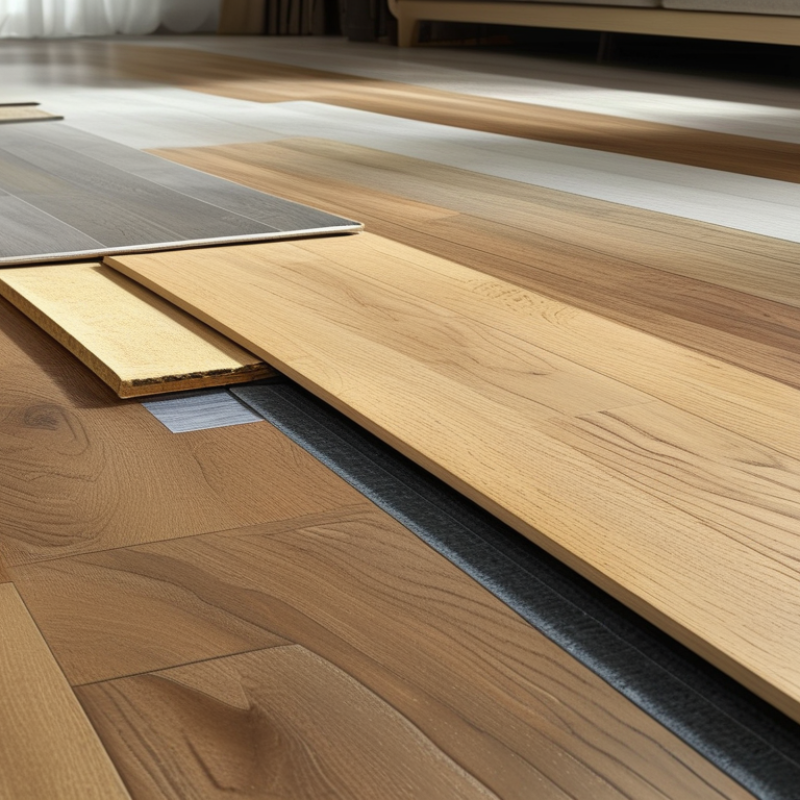
Flooring transitions play a crucial role in home design. They help to create a seamless flow between different spaces. When transitioning from hardwood to tile, for example, a proper transition strip provides a smooth change.
This not only enhances aesthetics but also improves safety. A sudden drop can be a trip hazard.
Understanding the importance of these transitions goes beyond mere appearance. Each type of flooring has its specific maintenance needs and durability factors. A poorly executed transition can lead to wear and tear. Over time, this can affect the overall look of your home. Observing how materials interact helps in choosing the right transitions.
We often overlook the impact of flooring transitions. It’s easy to focus only on surface beauty. However, the right transition can enhance usability. Homeowners should carefully consider their choices. Selecting the wrong transition might lead to regrets later. Reflecting on the details can make a significant difference in design outcomes.
When considering flooring, different types bring distinct characteristics and implications for space. Hardwoods, for example, exude warmth and natural beauty. They often increase property values. However, they can be sensitive to moisture, leading to potential damage in high humidity areas. A study from the National Wood Flooring Association shows that 90% of realtors claim hardwood floors help sell homes faster.
Laminate flooring offers durability and affordability. It mimics the look of hardwood but resists scratches and dents better. Yet, it can lack the authentic feel of real wood. According to a report by IBISWorld, the laminate flooring market has grown by 3.2% annually, showing rising consumer interest despite concerns over eco-friendliness.
Tile flooring stands out for its versatility and resistance to water. It works well in kitchens and bathrooms. While tiles are durable, they can be cold and hard underfoot, posing comfort issues. A recent survey found that 70% of homeowners dislike standing on tile for long periods. Balancing aesthetics, comfort, and practicality becomes crucial when transitioning between these flooring types.
Transitioning between different types of flooring presents unique challenges. Each floor type has distinct characteristics, creating potential mismatches. For example, hardwood, tile, and carpet differ in texture and maintenance needs. A 2023 report by the National Wood Flooring Association indicates that improper transitions can lead to increased wear and tear. This is especially true in high-traffic areas.
Design and installation are critical in managing these transitions. Experts recommend using transition strips as a practical solution. These strips create a smooth flow between flooring types and reduce tripping hazards. A study from the Tile Council of North America suggests that transitioning properly can enhance the aesthetic appeal by creating a cohesive look. However, many homeowners hesitate to invest in these solutions, often due to cost.
While the advantages of seamless transitions are clear, homeowners must weigh these against potential difficulties. Misalignment during installation might lead to awkward gaps or uneven surfaces. Furthermore, maintenance varies by material, complicating the cleaning process during seasonal changes. Regular assessments can help identify issues early, but these are often overlooked. Resilience in planning transitions ensures a lasting design, but recognizing the challenges is equally important.
Transitioning between different types of flooring is a critical aspect of interior design. The choices made during these transitions can significantly impact the overall look and functionality of a space. According to the National Wood Flooring Association, improper transitions account for nearly 15% of flooring failures. This statistic highlights the necessity of careful planning and consideration when connecting various flooring materials.
When designing flooring transitions, the first consideration is the aesthetic flow. Different materials can create visual breaks that may not be appealing. A study from the Flooring Contractors Association emphasizes the importance of maintaining a consistent color palette across different materials. Using complementary colors can enhance the cohesiveness of a room. Texture is another essential detail. A smooth transition minimizes trip hazards and offers visual unity. The Americans with Disabilities Act recommends no height difference in adjoining surfaces, ensuring safety for all users.
However, it's not always simple. Some materials age differently than others. This can lead to mismatched colors over time. Additionally, temperature fluctuations can affect the alignment of the floors. This results in gaps or bulges, which detracts from both safety and aesthetics. Designers must think about the long-term implications of their choices. Regular maintenance becomes key to ensuring durability and appearance. Thoughtful design choices will pay off in the longevity of both the flooring and the space as a whole.
Transitioning between different types of flooring is vital in interior design. Proper flooring transitions enhance the overall aesthetic of a space. They create a seamless flow between rooms, minimizing visual disruption. This helps the eye move naturally throughout a home. A well-executed transition can elevate the look of any area.
When choosing flooring transitions, consider material compatibility. Wood meets tile; carpet meets vinyl. Each pairing requires specific techniques for a polished finish. Uneven transitions can lead to tripping hazards. This is a safety concern, especially in high-traffic areas. A smooth transition reflects attention to detail and professionalism.
Foot traffic patterns matter too. Heavy use areas need resilient transitions. Delicate materials may wear down quickly. Choosing the right products ensures longevity. It's also essential to match colors and textures. This can be a challenging task. Striking the balance between function and design is not always straightforward. Small misalignments might detract from the design. Thoughtful planning can prevent these issues.
: The main types are hardwood, laminate, and tile. Each type has unique characteristics.
Hardwood offers warmth and beauty. It can increase property value but is sensitive to moisture.
Laminate is durable and affordable. It resists scratches better but may lack the feel of real wood.
Tile is versatile and water-resistant. It's great for wet areas, but can feel cold and uncomfortable.
Aesthetic flow and color consistency are important. Smooth transitions reduce trip hazards and enhance unity.
Aging materials can mismatch colors. Temperature changes can cause gaps or bulges over time.
Regular maintenance is crucial. It helps ensure durability and keeps the flooring looking good.
Yes, some consumers worry about its environmental impact despite its growing popularity.
Yes, improper transitions can create trip hazards. The Americans with Disabilities Act emphasizes even surfaces for safety.
Thoughtful design choices can enhance usability. Consider long-term implications for a better user experience.
Transitioning between different types of flooring is a crucial aspect of interior design that enhances both aesthetic appeal and functionality. Understanding the importance of flooring transitions involves recognizing the unique characteristics of various flooring materials and how they can seamlessly integrate while maintaining a cohesive look. However, this process often presents challenges, such as height differences and material incompatibility, which require thoughtful solutions to create a smooth transition.
When considering how to transition between different types of flooring, design considerations play a pivotal role. Proper transitions not only facilitate movement between spaces but also improve the overall flow and design coherence of a room. Moreover, the benefits of implementing well-planned flooring transitions extend beyond mere appearance; they contribute to durability and maintainability, ensuring that both style and resilience are preserved in interior design.

DCTan Door