As summer heat rises, many homeowners encounter a common issue: a sticking front door. This problem often leaves us questioning, "Why is my front door sticking in summer?" It can be frustrating when a door that usually swings open easily becomes a challenge.
Several factors contribute to this inconvenience. High temperatures can cause wooden doors to expand, altering their fit within the frame. Additionally, humidity levels soar during the summer, leading to increased moisture absorption in wooden structures. It’s interesting to note how even minor changes in the environment affect our homes’ functionality.
Sometimes, we overlook simple solutions. Regular maintenance, such as checking hinges and door frames, can prevent these issues. Taking proactive steps is crucial, yet many homeowners only address problems when they arise. This tendency to react rather than prepare can lead to repeated frustrations every summer season. Reflecting on these patterns helps us understand how to better protect our homes from seasonal changes.
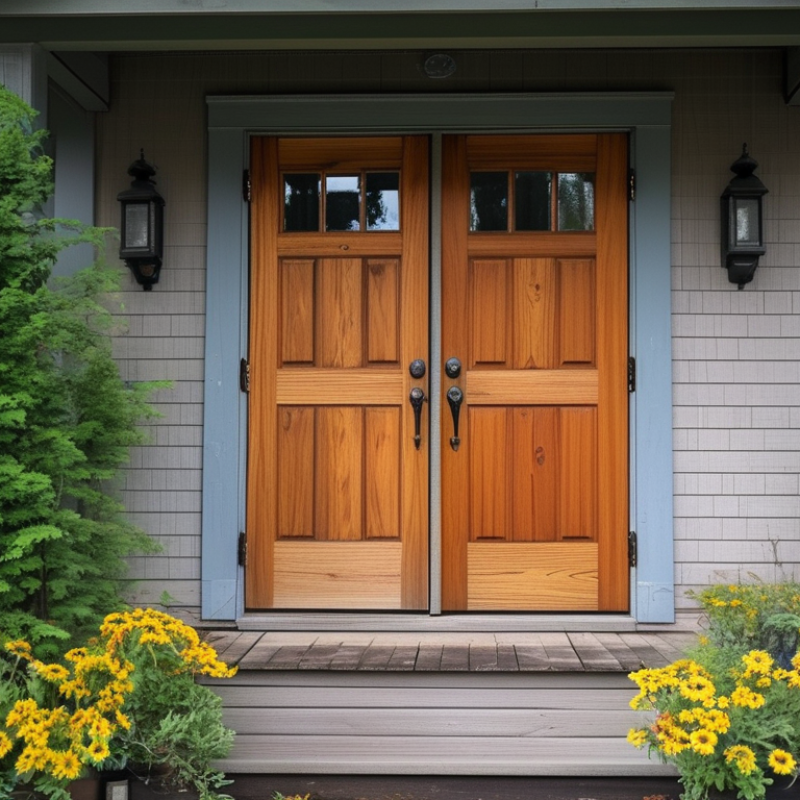
Understanding the Impact of Humidity on Door Components
Humidity can significantly affect the components of your front door in summer. High moisture levels cause wood to expand. This expansion leads to misalignment, often making your door stick. Even metal components may corrode or become tarnished, further complicating the door's operation.
When the air is humid, it can swell wooden door frames. You may notice resistance when opening or closing. It can be frustrating, especially if you have guests. The thresholds may also absorb moisture, altering their shape. Maintaining proper ventilation is crucial. You might need to invest time in monitoring humidity levels regularly.
Consider using a dehumidifier during peak summer months. This can reduce moisture in your home. You may also want to inspect hinges and locks for signs of wear. Checking regularly may prevent worsening issues. Sometimes, simple adjustments can provide relief. Taking these steps could ensure your door functions smoothly throughout the summer.
Impact of Humidity on Door Swelling
This bar chart illustrates the relationship between humidity levels and door swelling. As humidity increases, the swelling of door components also increases, potentially leading to sticking issues during hot summer months.
Common Materials Affected by Temperature Changes in Summer
The summer heat can be brutal, causing doors to swell and stick. Common materials like wood and metal are particularly prone to these changes. Wood expands when humidity rises, leading to a tighter fit in door frames. A study from the Wood Products Council shows that wood can swell up to 1% for every 10% increase in moisture content. This swelling can cause doors to jam, creating frustration for homeowners.
Metal is not immune to summer temperature shifts either. Steel doors, for instance, can expand as temperatures rise. Experts indicate that steel can expand by about 0.00000651 inches for every degree of Fahrenheit rise. This means a steel door exposed to 100°F could increase in size significantly, causing alignment issues. Homeowners may notice sagging or sticking that wasn't present in cooler months.
Another factor is the installation environment. Poorly sealed doors can absorb moisture, contributing to their swelling. The National Association of Home Builders reports that proper installation reduces this risk by allowing for expansion and contraction without issues. Reflecting on this, homeowners should consider climate when selecting door materials and monitor their condition throughout the seasons. With increased awareness, solutions like weather stripping can minimize this problem.
Why Does My Front Door Stick in Summer Heat?
| Material |
Impact of Heat |
Solutions |
| Wood |
Expansion due to moisture absorption |
Regular sanding and sealing |
| Metal |
Expansion and contraction can cause warping |
Proper installation and regular adjustment |
| Vinyl |
Softening and possible deformation |
Ensure proper ventilation and avoid direct sunlight |
| Fiberglass |
Little expansion but can warp under extreme heat |
Use reflective films or shades to reduce heat |
Identifying Symptoms of a Sticking Front Door in Hot Weather
In summer heat, many homeowners notice their front doors sticking. High temperatures cause materials like wood to expand, disrupting the fit in the frame. The American Wood Council states that wood can expand by up to 1/16 inch for every 10 degrees Fahrenheit increase in temperature. This small change can lead to significant issues, especially with poorly fitted doors.
Symptoms of sticking doors include difficulty in opening, visible gaps, and creaking sounds. If you notice these signs, it’s essential to diagnose the problem early. Ignoring it can lead to further complications, such as damaged frames or misaligned hinges. Research from the National Association of Home Builders highlights that around 30% of homeowners encounter similar issues in summer.
To alleviate stickiness, consider adjusting the hinges. Tightening screws can improve alignment. Alternatively, sanding down the edges of the door may create more space and relieve pressure. Regular maintenance is vital; inspect the weather stripping, as worn parts may contribute to sticking.
Remember to monitor humidity levels inside your home. A dehumidifier can help maintain balance. You might also want to keep the door well-painted or sealed to prevent moisture absorption. Embracing these simple practices can lead to smoother door operations, even during extreme heat.
Preventive Measures to Avoid Door Sticking in the Heat
Summer heat can cause wooden doors to expand. This expansion affects the door’s fit in the frame. The result? A frustratingly sticking door.
To prevent this issue, consider applying a weather-resistant finish. Such treatments can reduce moisture absorption. According to industry reports, this simple step can extend a door's lifespan by up to 30%. Additionally, ensure proper door alignment. A door that is misaligned is more prone to sticking. Regularly check the hinges and screws for tightness. Loose components can exacerbate the problem.
Here are some tips to keep your door functional in the heat. First, use silicone spray to lubricate hinges. This can ease movement and prevent squeaking. Also, monitor indoor humidity levels. A dehumidifier can help maintain a balanced environment. Lastly, if a door begins to stick, sand down high spots. This DIY fix can save you from costly repairs.
While these measures can help, some factors are beyond control. Extreme temperatures can still affect door performance. It’s essential to remain vigilant and prepared for changes in weather. Staying informed can make all the difference.
How to Fix a Sticking Door: Step-by-Step Solutions
In the summer heat, wooden doors can expand, leading to frustrating sticking issues. The National Association of Realtors reports that nearly 80% of homeowners face some door alignment problems due to seasonal changes. Heat causes wood to absorb moisture, which results in swelling. This can hinder smooth operation and leave you fumbling at your threshold.
To address a sticking door, first, check the hinges. Tightening them may offer immediate relief. If the door still resists, consider using a hand planer to remove small sections. A well-balanced approach is necessary; too much material removal can ruin the door's aesthetic. Additionally, applying a silicone lubricant to the edge can help mitigate friction.
Another common solution is adjusting the door frame. If the frame is misaligned, it may require shimming. Using wood shims is a straightforward method to create a snug fit. However, it may take some trial and error to achieve the perfect adjustments. Engaging in these fixes not only enhances door functionality but invites ongoing interaction with the door's performance through changing seasons. Regular maintenance is key, and ignoring these small issues can lead to larger problems down the road.
FAQS
: Humidity causes wood to expand, leading to misalignment. This may result in a sticking door.
Apply a weather-resistant finish to reduce moisture absorption. This can extend your door's lifespan.
Regularly check hinges and screws for tightness. Lubricate hinges with silicone spray to ease movement.
Tightening hinges often provides immediate relief. If needed, trim small sections with a hand planer.
Use wood shims to adjust the frame. It may take trial and error to achieve a snug fit.
Sand down high spots and periodically monitor humidity levels. Consider using a dehumidifier for best results.
Yes, extreme temperatures can still impact door performance despite preventative measures. Being vigilant is essential.
Regular inspections can prevent bigger issues down the line. Small maintenance can save you from costly repairs.
Conclusion
In the summer heat, many homeowners find themselves asking, "Why is my front door sticking in summer?" This issue often arises due to the effects of increased humidity and temperature on door materials, which can lead to expansion and misalignment. Common materials such as wood and metal are particularly susceptible to these changes, resulting in doors that may not open or close smoothly.
To prevent this frustrating situation, it’s essential to implement preventive measures such as regular maintenance and weatherproofing. If a sticking door does occur, several step-by-step solutions can help address the problem, from adjusting hinges to applying lubricant. By understanding these causes and solutions, homeowners can maintain their doors effectively and avoid the inconveniences of a sticking front door during the hot summer months.

 DCTan Door