What Floor Color Makes a Small Room Look Bigger in 2026?

Time:2026-06-25 Author:Liam
0%

In 2026, the quest for optimal interior design solutions continues. One critical aspect of maximizing space is floor color. Many homeowners wonder, "What floor color makes a small room look bigger?" The right choice can transform a cramped area into a more open and inviting environment.

Light and neutral hues often create an illusion of spaciousness. Shades like soft beige, pale gray, or off-white reflect light effectively. This reflection can enhance natural sunlight, making rooms appear larger than they are. However, personal preferences and specific room conditions can impact the final decision.

On the other hand, darker shades can absorb light and may make a small space feel cozier. This choice might not always feel like a practical solution. Reflecting on the balance between aesthetics and functionality can be challenging. Exploring different samples and considering room dimensions are crucial steps in achieving the desired effect. Ultimately, understanding what floor color makes a small room look bigger is both an art and a science.
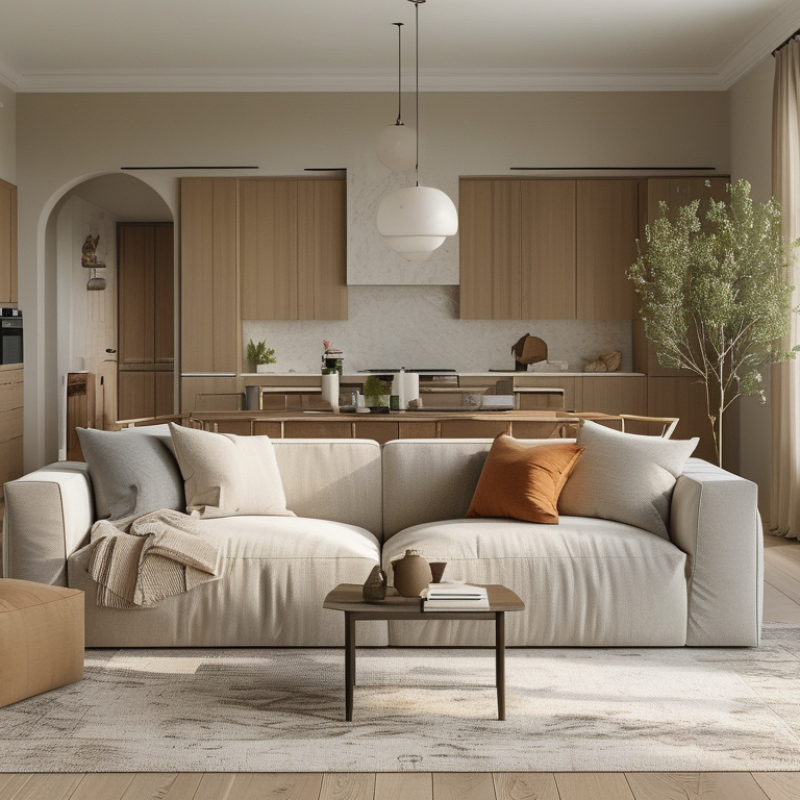
What Floor Color Makes a Small Room Look Bigger in 2026?

Color Psychology in Interior Design: Effects on Perception of Space

The choice of floor color in a small room can dramatically alter its perceived size. Light colors, such as soft whites and pale grays, reflect more light. This reflection opens up the space visually. Dark colors, on the other hand, can absorb light, creating a cozy but potentially cramped atmosphere. In interior design, this effect is well-documented. Color psychology plays a crucial role in how we experience our environments.

Visual perception is influenced by colors, especially in confined spaces. A light, neutral floor color can create a seamless flow from the floor to the walls. This strategy helps eliminate boundaries, making the room feel larger. Yet, it's essential to consider the overall design. Combining light floors with colorful decor pieces can enhance vibrancy. However, too much contrast might disrupt the harmony. Each element should work cohesively.

Experimenting with colors can lead to surprising insights. Sometimes, a bold choice can work in unexpected ways. A lighter floor contrasted with darker furnishings may create balance, rather than chaos. Reflecting on how colors affect your mood and perception is vital. Every tiny detail contributes to the ambiance of the room. Thus, thoughtful color selection is critical in maximizing space while expressing personal style.

Current Trends in Flooring Colors: Insights from 2026 Design Reports

In 2026, flooring color trends are leaning towards light and neutral shades. These colors create an illusion of space, making small rooms appear larger. Soft grays, warm beiges, and muted whites are popular choices among interior designers. They reflect light effectively, enhancing the brightness of confined spaces.

Textures also play a key role in this year's designs. Matte finishes are gaining traction, offering a sophisticated look. High-gloss surfaces, while appealing, can sometimes overwhelm small areas. It’s essential to balance gloss with soft textures for the best effect. Additionally, incorporating light-toned wood options adds warmth without weighing down the aesthetic.

However, not every design will work for every individual. Personal preference is crucial in creating a comfortable space. Some may prefer darker hues for a cozy feel. Yet, a deep navy or charcoal can confine a small room visually. Experimentation is key in achieving the ideal look. Understanding how various colors interact with light will enhance any design decision.

Light vs. Dark: How Floor Shade Choices Influence Room Size Illusions

Choosing the right floor color can significantly influence how spacious a small room feels. Light tones, such as soft beiges or pale grays, reflect more light. This reflection creates an illusion of depth and space. Rooms with light-colored floors often appear larger and airier. Adding light-colored rugs can enhance this effect, too.

Conversely, dark flooring can compact a room visually. Deep browns or charcoal can create a warm, inviting atmosphere. Yet, they can also make a space feel smaller if not balanced with adequate light. Incorporating smart lighting fixtures can mitigate this. Using mirrors strategically can also enhance the brightness and depth of darker floors.

The overall effect depends on furniture and wall colors. Always consider how these elements interact with the chosen floor shade. Personal preference plays a role as well. It's essential to reflect on what feels right for you. Balance is key. Daring shades can be enticing. However, if used improperly, they may overwhelm your small space. Adjusting and experimenting with various hues can lead to the best outcome.

Impact of Floor Color on Perceived Room Size (2026)

The Role of Flooring Material in Enhancing Visual Space in Small Rooms

When it comes to enhancing visual space in small rooms, flooring material plays a crucial role. Light-colored flooring often gives the illusion of a larger space. According to recent studies, colors like soft beige and light gray can reflect more light than darker shades. This reflection helps create depth, making even the coziest of rooms feel more open.

However, the consistency of flooring material is equally important. Using the same type of flooring throughout your small space can eliminate visual transitions, which can be jarring. Reports indicate that homes with continuous flooring appear up to 15% larger than those with varied types. The right texture also matters—matte finishes can soften a room, while glossy options may add brightness but could also feel overwhelming.

Choosing the right flooring goes beyond aesthetics. It involves a balance of color theory and material properties. Many homeowners overlook the impact of flooring on perceived space. That's a common mistake. Flooring should be integrated into the overall design scheme to achieve true harmony.

Expert Recommendations: Flooring Colors that Maximize Room Dimensions

Choosing the right floor color can greatly impact how spacious a small room feels. Light colors are often recommended by experts for their ability to reflect more light. Soft shades of beige or pale gray can create an open atmosphere. This is particularly effective when paired with light walls. These colors can trick the eye into perceiving more space than exists.

In contrast, dark floors can make a small room appear more cramped. However, the choice is not always clear-cut. Some people prefer darker tones for their warmth and richness. A deep blue or charcoal can be stunning, but can also feel suffocating if not balanced with lighter furniture. Reflect on how these choices fit the overall aesthetic and feel of your space.

Textures also play a crucial role in flooring decisions. A glossy finish can enhance light reflection, while matte finishes may absorb it. This too can change how expansive a room feels. Experimenting with samples can be enlightening. It may take a few tries to find the perfect fit. The right flooring should serve both form and function, making you feel comfortable yet inspired.

What Floor Color Makes a Small Room Look Bigger in 2026? - Expert Recommendations

Color Effect on Space Perception Recommended Areas Light Reflection
Light Gray Creates an airy feel Living Rooms, Bedrooms High reflection
Beige Warmth and openness Kitchens, Hallways Moderate reflection
Light Blue Cool tones enhance space Nurseries, Bathrooms High reflection
Soft White Brightens and simplifies All Rooms Very high reflection
Pastel Yellow Bright and cheerful Dining Rooms, Children’s Rooms Moderate reflection

FAQS

: How do light floor colors affect room perception?

: Light tones reflect more light, creating an illusion of space and making small rooms feel larger.

What are some examples of light floor colors?

Soft beiges and pale grays are effective choices for creating an airy atmosphere.

Can dark floors be used in small rooms?

Yes, but dark floors may visually compact a room. Balance with adequate lighting is essential.

Why is consistent flooring material important?

Using the same flooring throughout can eliminate jarring visual transitions, making spaces feel larger.

How does flooring texture impact room size perception?

Matte finishes soften a space, while glossy finishes can enhance brightness but may overwhelm.

What mistakes do homeowners often make with flooring choices?

Many overlook flooring's impact on space perception, which can lead to poor design harmony.

How do furniture and wall colors interact with flooring?

They influence the overall effect, so consider them when choosing a floor shade.

Can experimenting with flooring options be helpful?

Yes, trying different samples can help find the right combination for your space.

What’s a key factor to remember about flooring choices?

Balance is crucial; daring colors may feel overwhelming if not used properly.

How should flooring be integrated into design?

Flooring should complement the overall design scheme to create true harmony in your space.

Conclusion

In the quest to discover what floor color makes a small room look bigger in 2026, color psychology plays a crucial role in interior design. Lighter floor colors, such as soft whites and pale pastels, create an illusion of spaciousness by reflecting light and expanding the perceived area. Current trends highlight the popularity of these shades, with design reports indicating a shift towards using light-toned flooring to maximize visual dimensions in compact spaces.

Conversely, dark flooring can contract a room's appearance, making it essential to choose wisely based on the effect desired. Additionally, the type of flooring material impacts the visual experience; for instance, glossy finishes can enhance light reflection further. Expert recommendations suggest that the right flooring color and material can dramatically alter perceptions of room size, reinforcing the idea that strategic choices in floor design are key to making small spaces feel more open and inviting.

Liam

Liam

Liam is a dedicated marketing professional with a profound expertise in the industry, where he excels at highlighting the unique advantages of our core products. With a keen understanding of market trends and consumer needs, Liam frequently updates our company’s professional blog, providing......