Why Does Condensation Form on My Glass Door?

Time:2026-08-21 Author:Isabella
0%

Condensation on glass doors can be a puzzling issue for many homeowners. According to Dr. Emily Carter, an expert in home energy efficiency, “Condensation forms when warm air meets a cold surface.” This statement illuminates a common struggle faced in modern homes, especially in regions with fluctuating temperatures.

When the outside air is significantly cooler than the air inside, moisture can build up on glass doors. This phenomenon can occur during chilly mornings or humid afternoons. Homeowners might wonder, “Why is condensation forming on my glass door?” The answer lies in the temperature differential and humidity levels. High indoor humidity, often from activities like cooking or showering, exacerbates the issue.

Moreover, poor insulation can increase the likelihood of condensation. Insulated glass doors can mitigate this problem significantly. Yet, not every homeowner has access to top-tier insulation. This creates a need for deeper understanding and attention to home conditions. Identifying the root causes of condensation can lead to better solutions. Homeowners should observe patterns in all seasons to find effective ways to minimize this persistent problem.
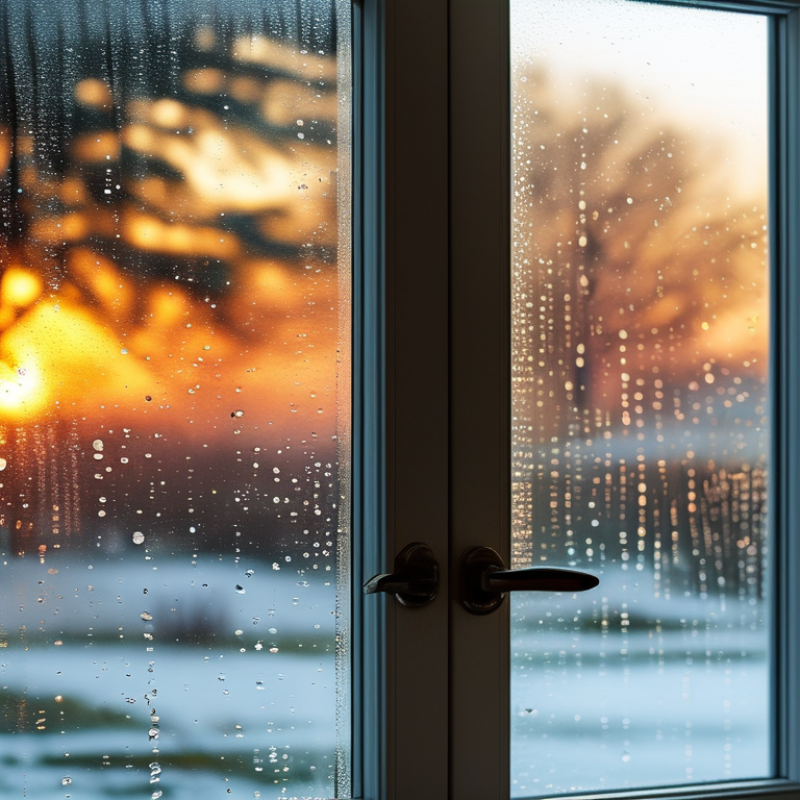
Why Does Condensation Form on My Glass Door?

Understanding Condensation: Definition and Causes

Condensation occurs when warm, moist air comes into contact with a cool surface. On a glass door, this can happen frequently. When warm air cools, it loses its ability to hold moisture, leading to water droplets forming on the glass. This phenomenon is especially common in winter months when indoor heating contrasts with the cold outside air.

According to a report by the U.S. Department of Energy, 30% of energy is lost in homes due to air leaks and inadequate insulation. When heated air escapes, colder surfaces can create more condensation. The presence of humidity inside the home exacerbates the issue. For instance, cooking, showering, and even breathing generate moisture. Studies show that maintaining indoor humidity levels between 30% to 50% can significantly reduce condensation problems.

In some cases, the glass door might have inadequate sealing, allowing cold air to seep in. Improper installation or wear and tear can worsen the situation. It's essential to check door frames and seals regularly. Addressing these issues can mitigate moisture build-up. Understanding these factors is crucial for improving home comfort and energy efficiency.

The Science Behind Condensation: Temperature and Humidity

Condensation forms on your glass door due to the interaction of temperature and humidity. When warm, moist air meets a cooler surface, like glass, it cools down. This causes the moisture in the air to change from vapor to liquid. The effect is often noticeable during colder months, especially when heating indoors creates humid air against a chilled door.

Managing indoor humidity is crucial. High humidity levels can exacerbate condensation issues. You might try running a dehumidifier to reduce moisture in the air. Opening windows for ventilation can help, too. This can improve airflow and minimize humidity build-up.

Another aspect to consider is temperature regulation. Keeping your doors warm can prevent condensation. You might consider using weather stripping or door drafts to keep the heat in. This can also enhance energy efficiency. Small adjustments in your home can ease condensation troubles, yet it takes effort to find the best solutions. Experiment with different methods to see what works for your space.

Factors Influencing Condensation on Glass Doors

Condensation on glass doors is a common issue, particularly in humid environments. The primary factor influencing this phenomenon is the temperature difference between the indoor air and the glass surface. Warm air holds more moisture than cold air. When this warm, humid air comes into contact with the cooler glass, condensation forms. According to the American Society of Heating, Refrigerating and Air-Conditioning Engineers (ASHRAE), indoor humidity levels should ideally be maintained between 30% and 50% to minimize condensation.

Another critical factor is the insulation quality of the door itself. Poorly insulated glass doors tend to have a higher likelihood of condensation. A study by the National Fenestration Rating Council shows that energy-efficient windows significantly reduce condensation incidents. Homeowners should assess whether their glass doors and windows meet current energy efficiency standards. Unexpected drafts and temperature fluctuations can lead to localized condensation, often overlooked.

Lastly, daily activities in the home also play a significant role. Cooking, showering, and even breathing add moisture to the air. When the trapped moisture rises and contact cold surfaces, such as glass doors, condensation occurs. A surprising detail is that even winter months can yield high indoor humidity due to heat and moisture from everyday activities. Seeking solutions to reduce indoor humidity can greatly alleviate this issue.

Preventive Measures to Reduce Condensation on Glass Doors

Condensation on glass doors is often a common issue, especially in humid conditions. To reduce this problem, it's essential to understand a few simple preventive measures. One way is to ensure proper ventilation in your home. Using exhaust fans in kitchens and bathrooms helps decrease moisture levels. Open windows occasionally to let fresh air circulate. This can significantly ease the humidity that causes condensation.

Insulating the glass doors effectively is another method. Consider installing low-emissivity (Low-E) glass, which reflects heat back indoors. This will maintain a more consistent temperature on the glass surface and help prevent condensation. Additionally, using weatherstripping around the door frame can minimize drafts and increase energy efficiency.

Creating a comfortable indoor environment is key. You might want to use a dehumidifier, especially in damp areas. It's also crucial to monitor indoor humidity levels; ideally, they should stay between 30-50%. Keep an eye on changes during different seasons. Each season presents unique challenges regarding moisture. These small adjustments can make a significant difference in eliminating condensation.

When to Seek Professional Help for Excessive Condensation

Excessive condensation on a glass door can signal underlying problems. It's essential to observe when this occurs. If the condensation happens frequently, it may indicate poor insulation or high humidity levels in your home. An occasional fogging may be normal, but persistent moisture can lead to mold growth or structural damage.

When should you seek professional help? If you notice condensation between double-pane glass, it's a clear signal of seal failure. Addressing it quickly can prevent costly repairs later. Also, if the condensation is accompanied by mold spots or musty odors, don't hesitate to call an expert. This can help protect both your health and property.

Remember, condensation may seem minor, but it can lead to bigger issues. Regular checks on your glass doors can help identify problems early. A proactive approach is always beneficial. Consulting a professional can provide clarity and solutions tailored to your situation.

FAQS

: What causes condensation on glass doors?

: Condensation happens when warm, moist air meets a cool surface. This often occurs in winter.

How does indoor humidity affect condensation?

High indoor humidity increases the likelihood of condensation. Aim to maintain humidity levels between 30% to 50%.

Can cooking and showering contribute to condensation?

Yes, activities like cooking and showering add moisture to the air, which can lead to condensation on cool surfaces.

What role does insulation play in condensation?

Poor insulation in glass doors increases condensation risk. Good insulation helps maintain temperature and reduce moisture buildup.

How can I check for air leaks in my home?

Inspect door frames and seals regularly for wear or gaps. This can help identify potential sources of air leaks.

What temperatures can lead to condensation on glass?

When warm indoor air contacts cold glass, condensation forms. This can happen during significant temperature differences.

Is it necessary to improve energy efficiency for condensation issues?

Yes, ensuring your doors meet energy efficiency standards is crucial. This reduces drafts and minimizes condensation.

What is a surprising factor in humidity during winter?

Indoor humidity can still be high in winter. Heat and moisture from daily life contribute to this unexpected humidity.

What should I do if condensation persists?

Explore solutions to reduce humidity indoors. Evaluate insulation and consider using dehumidifiers for better comfort.

Are there any common mistakes homeowners make regarding condensation?

Many overlook the impact of daily activities on humidity levels. This can lead to recurring condensation problems.

Conclusion

Condensation on glass doors is a common issue that raises the question, "Why is condensation forming on my glass door?" Understanding condensation involves recognizing it as water vapor that turns into liquid due to temperature differences between indoor air and the glass surface. Factors such as humidity levels, temperature fluctuations, and inadequate insulation can significantly influence this phenomenon.

To mitigate condensation, it's crucial to maintain balanced indoor humidity levels and improve ventilation. Using dehumidifiers and double-glazed glass can also help. If excessive condensation persists despite these measures, it may indicate underlying issues that necessitate professional assistance. Exploring these aspects can provide insights into effectively managing and preventing condensation on glass doors.

Isabella

Isabella

Isabella is a dedicated marketing professional with a sharp focus on driving brand growth and engagement through strategic content creation. With an extensive background in digital marketing, she combines her passion for storytelling with her keen understanding of industry trends to deliver......