Choosing the right door material for areas with direct sunlight can be challenging. According to John Anderson, a renowned construction expert, "The right door material can significantly improve energy efficiency." It's vital to focus on how materials react to heat and UV rays.
Common options include fiberglass, steel, and wood. Fiberglass doors can resist warping and fading. Steel doors, while strong, can heat up quickly. Meanwhile, wooden doors may require more upkeep. Each material has its pros and cons worth considering.
However, many homeowners overlook the additional benefits of insulation and UV protection. Understanding "What door material is best for direct sunlight" involves more than just aesthetics. It requires a thoughtful assessment of climate impact, durability, and long-term performance. Each choice should reflect both style and practicality. The balance between beauty and functionality is essential.
Factors to Consider When Selecting Door Materials for Sun Exposure
When selecting door materials for areas exposed to direct sunlight, durability is crucial. High UV exposure can lead to fading and warping. According to a report by the American Institute of Architects, materials like fiberglass and steel tend to outperform wood in these conditions. Fiberglass doors, for example, are resistant to temperature fluctuations and maintain their appearance longer.
Thermal efficiency is another factor. Sunlight can significantly raise indoor temperatures. A study by the Energy Department highlights that insulated doors can improve energy efficiency by up to 50%. Polyurethane foam cores, found in some door materials, provide excellent insulation. This can help reduce cooling costs in homes that receive intense sunlight.
Lastly, consider maintenance requirements. Some materials require more upkeep than others. For instance, wood doors may need regular staining to combat UV damage. This maintenance can be time-consuming and costly. Balancing aesthetics with practicality is essential. The choice of material should align with personal preferences while also ensuring long-term performance. Choosing the right door is more than just addressing immediate needs; it's about planning for durability and efficiency.
Performance Characteristics of Common Door Materials Under UV Radiation
Choosing the right door material for direct sunlight exposure involves understanding how different materials perform under UV radiation. Wood, while aesthetically pleasing, may warp or crack over time when constantly exposed. The moisture content in wood can lead to swelling, causing operational issues. Consider using treated wood or composite materials, which offer improved durability against sun damage.
Fiberglass is another popular choice. It can withstand UV rays without fading or deteriorating. This material is a strong contender for high-heat areas. However, some fiberglass doors might become more brittle over time, prompting a thoughtful inspection for possible replacements.
Metal doors, often chosen for their strength, can heat up significantly. This could lead to expansion, resulting in a compromised fit. They may also show signs of rust or corrosion if not adequately coated. When selecting a door, weigh these performance characteristics against your specific environment. Each material has its upsides and drawbacks that deserve careful consideration.
How to Choose the Best Door Material for Direct Sunlight? - Performance Characteristics of Common Door Materials Under UV Radiation
| Material |
UV Resistance |
Durability |
Thermal Insulation |
Maintenance Requirement |
| Fiberglass |
Excellent |
High |
Good |
Low |
| Vinyl |
Good |
Moderate |
Fair |
Medium |
| Wood |
Fair |
Low |
Good |
High |
| Aluminum |
Good |
High |
Fair |
Low |
| Steel |
Poor |
Very High |
Poor |
Medium |
Comparative Analysis of Wood, Fiberglass, and Steel Doors in Sunlight
Choosing the right door material for direct sunlight involves understanding the characteristics of
wood, fiberglass, and steel doors. Each material has its pros and cons
under intense UV exposure.
Wood doors, while aesthetically pleasing,
can warp or crack over time. Data from the American Wood Council shows that wood can expand and contract
with temperature changes, which weakens structural integrity.
Fiberglass doors offer better insulation and are resistant to fading and warping.
According to the National Association of Home Builders, they outperform wood in durability under sunlight.
Fiberglass doors do not absorb moisture, making them ideal for humid climates. However, they often come at
a higher initial cost than wood doors and can require specific maintenance.
Steel doors stand out for their security and resistance to the elements. They can be
finished in various colors and textures, providing versatility. However, steel can become hot in direct
sunlight, potentially affecting energy efficiency. The Steel Door Institute emphasizes that untreated steel
will rust if not maintained properly. Homeowners must weigh these factors carefully. Each material presents
unique challenges in longevity, maintenance, and aesthetics.
Longevity and Maintenance Requirements for Sunlit Door Materials
When selecting a door material for areas exposed to
direct sunlight, it’s essential to consider longevity
and maintenance. Materials like fiberglass and steel offer excellent
durability, often rated to withstand UV exposure better than wood. According to the
American Architectural Manufacturers Association, fiberglass doors can last over 30 years with
minimal upkeep, while steel doors might require repainting every 5 to 10 years to maintain their
protective finish.
However, it’s important to reflect on the potential downsides. Even durable materials can fade or
discolor over time. High-quality surfaces may resist sun damage but might still require periodic
cleaning to remove dirt and debris. This maintenance is crucial; a well-maintained door functions
better and looks great.
Tips: Consider using a UV-resistant coating on doors.
It can enhance lifespan significantly. Regular inspections reveal wear early. Pay attention to
hinges and seals to prevent long-term damage. Choose lighter colors; they tend to absorb less heat,
which reduces thermal stress.
Energy Efficiency: Insulation and Heat Resistance of Various Door Types
When selecting a door for direct sunlight, energy efficiency plays a key role. Certain materials outperform others in terms of insulation and heat resistance. For example, fiberglass doors provide excellent insulation. They keep homes cooler in summer and warmer in winter. This efficiency can reduce energy costs significantly.
Wood doors also offer natural insulation. However, they may require more upkeep. Prolonged exposure to sunlight can cause warping and fading. In contrast, steel doors can be very effective too. They are sturdy and often come with insulation added. But beware of heat retention. Steel tends to absorb heat, which might affect your indoor temperature.
Additionally, consider the color of the door. Lighter shades reflect sunlight, while darker colors absorb it. Reflective coatings or finishes can enhance energy efficiency in metal doors. Pay close attention to the thermal resistance ratings when choosing a door. These small details can significantly impact energy consumption over time. Always weigh the pros and cons of each material against your home’s needs.
FAQS
: Wood may warp or crack over time due to UV exposure. Moisture can also cause swelling, impacting function.
Yes, fiberglass resists fading and deterioration under UV rays. They hold up well in high-heat conditions.
They need minimal upkeep but can be pricier than wood. Regular inspections can help assess their condition.
Metal doors can heat up significantly. Uncoated steel may rust, affecting durability and aesthetics.
Yes, treated wood or composite materials can offer improved durability against sun damage compared to untreated wood.
Consider moisture levels and temperature changes. These factors impact each material's structural integrity and functionality.
Steel doors typically require repainting every 5 to 10 years to maintain their protective finish and appearance.
Absolutely. A UV-resistant coating can significantly extend a door's life, reducing damage from sunlight exposure.
Focus on hinges, seals, and overall wear. Early detection can prevent long-term damage and ensure functionality.
Yes, lighter colors absorb less heat, reducing thermal stress on the material, enhancing its longevity.
Conclusion
When considering what door material is best for direct sunlight, several important factors must be taken into account. The exposure to UV radiation can severely affect door materials, leading to degradation and reduced performance over time. Common materials like wood, fiberglass, and steel each have unique characteristics under sun exposure. For example, while wood can warp and fade, fiberglass tends to resist sun damage better, and steel can require additional coatings to withstand the elements.
Additionally, longevity and maintenance requirements play a crucial role in this selection process. Materials that need regular upkeep or show wear and tear faster than others may not be the best choice for homes in sunny regions. Energy efficiency is another key aspect, as the insulation and heat resistance of different door types can impact energy costs. Ultimately, a thorough comparative analysis of these factors will guide homeowners in choosing the most suitable door material for enduring direct sunlight.
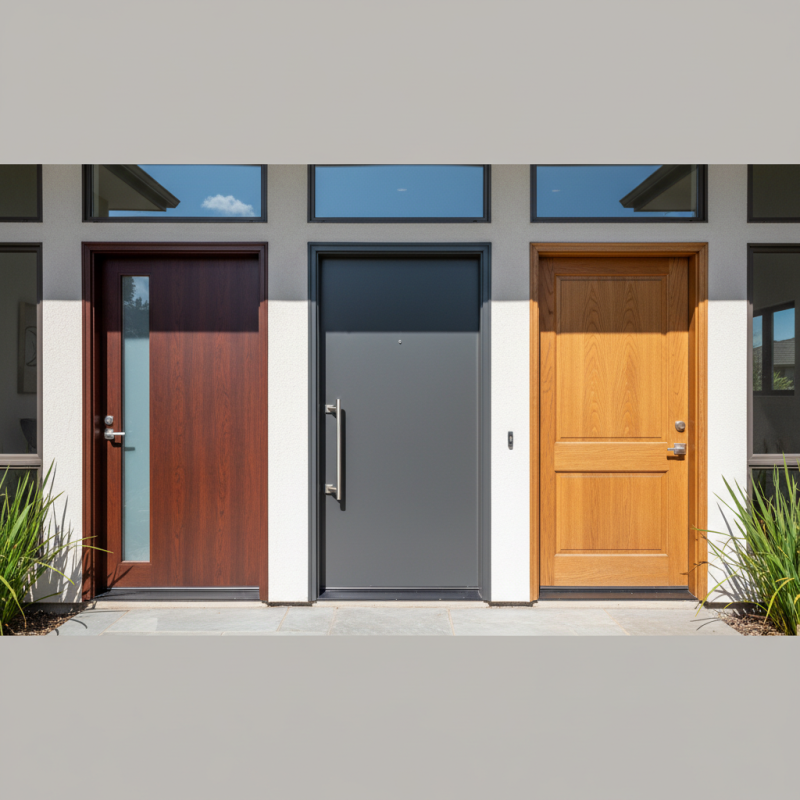

 DCTan Door