Dealing with a noisy garage door can be frustrating. It can disrupt your peace and create an annoying environment. If you're wondering how to quiet a noisy garage door, you’re not alone. Many homeowners face similar challenges. Often, a garage door's noise can stem from various sources, such as worn-out components or lack of lubrication.
Understanding the reasons behind the noise is crucial. It could be squeaky rollers, loose hardware, or even a misaligned track. Each of these issues requires specific attention. Regular maintenance can greatly reduce noise levels. However, some homeowners may overlook this until the noise becomes unbearable.
It's important to remember that addressing these problems not only improves your garage door's performance but also adds to its lifespan. Investing time and effort into resolving the noise can pay off in the long run. Quieting your garage door may involve trial and error. Yet, with the right knowledge and tools, you can transform your garage space into a quieter place.
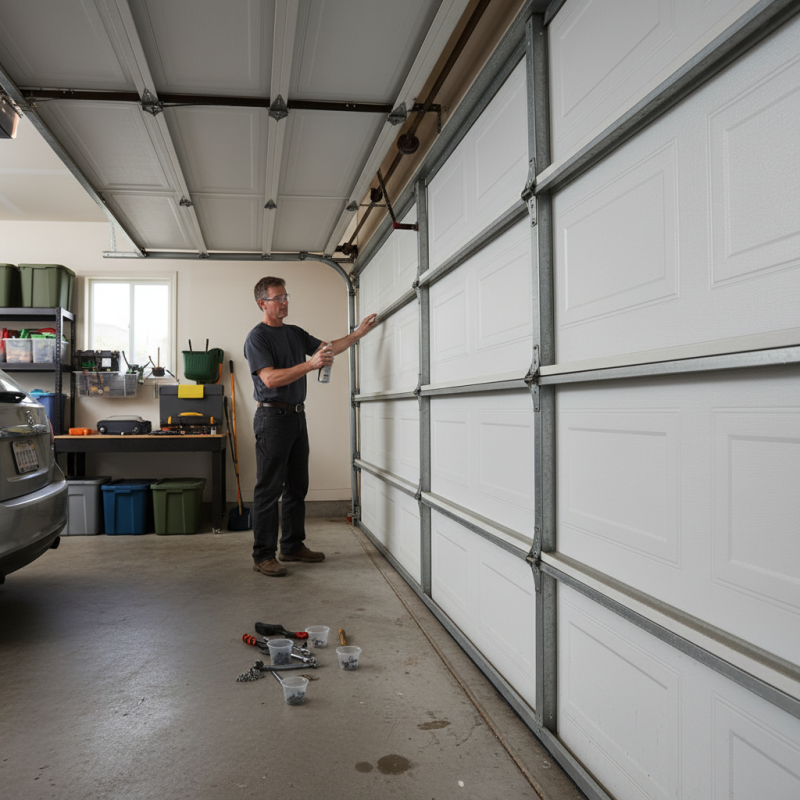
Regular maintenance is crucial for reducing garage door noise. Over time, components can wear down, leading to increased sound levels. A report by the National Garage Door Association indicates that 70% of homeowners experience noisy garage doors, often due to neglect. Addressing this issue involves simple upkeep, such as lubricating moving parts and tightening screws.
Lack of care can exacerbate noise problems. Grit and grime can accumulate in tracks, causing friction. According to a study published in the Journal of Mechanical Engineering, 60% of mechanical issues stem from insufficient lubrication and maintenance. Inspecting rollers and hinges monthly can help identify potential problems early.
Homeowners frequently overlook the importance of proper alignment. Misaligned doors not only create noise but can also lead to costly repairs. Regular visual inspections can reveal misalignment, while minor adjustments can often rectify the issue. In addition, seeking professional help when noise becomes unusual is advisable. It’s best to err on the side of caution.
Noisy garage doors can be quite irritating. Understanding their common causes is essential for effective solutions. Loose hardware is a frequent issue. Over time, bolts and screws can become loose, leading to rattling sounds during operation. Regularly check and tighten these components to minimize noise.
Another common culprit is worn-out rollers. As they age, they may not glide smoothly, creating squeaking or grinding sounds. Inspecting and replacing worn rollers can significantly improve your garage door's performance. Lubrication is equally important. A lack of lubrication can cause friction, contributing to unwanted noise. Use a silicone-based lubricant on tracks and hinges for a quieter operation.
Sometimes, the garage door opener itself generates noise. Older models may have outdated mechanisms that produce more sound. Upgrading to a modern, quieter opener can be a worthwhile consideration. Noise can also arise from misalignment issues. If your door isn’t properly aligned, it may struggle to move smoothly. Addressing alignment issues can be a DIY task but may require professional help for proper adjustment.
Effective lubrication is key to minimizing garage door noise. Start by inspecting the moving parts of your garage door. Look for rollers, hinges, and tracks that may need attention. Dust and debris can cause friction, leading to annoying squeaks and rattles. A clean surface is essential before applying lubrication.
Use a silicone-based lubricant to reduce noise effectively. Silicone penetrates well and prevents dust buildup. Apply it directly to rollers and hinges. Avoid oil-based lubricants, as they can attract more grime. Make sure to wipe off any excess to keep the area clean.
Regular maintenance is crucial. You may overlook certain parts that need lubrication, leading to lingering noise. Schedule inspections every few months. This practice can prolong the lifespan of your garage door and enhance its quiet operation. Staying consistent with lubrication ensures a smoother, quieter garage door experience.
Upgrading garage door hardware is a smart move for those seeking a quieter operation. Many homeowners don’t realize that the components of their garage door can greatly affect its noise level. According to a report from the Door & Access Systems Manufacturers Association (DASMA), noisy garage doors are often linked to outdated or worn-out hardware. This includes rollers, hinges, and tracks that can wear over time, leading to rattling and grinding sounds.
Replacing standard metal rollers with nylon ones can significantly reduce noise levels. Nylon rollers tend to operate smoother and are quieter than their metal counterparts. Research shows that upgrading to high-quality hardware can reduce noise by 75%. Many people overlook the importance of these upgrades and pay the price in disturbance. Lubricating moving parts is another simple yet effective method, but it often requires regular upkeep that people forget.
While some may find it tedious to replace hardware, the benefits are tangible. Improved garage door operation leads to a much quieter environment. Many homeowners report that making these adjustments has transformed their garages from noisy spaces into serene areas. Investing in better hardware is not just about aesthetics; it’s about creating a peaceful atmosphere at home. Remember, sometimes the simplest changes can yield the most significant results.
| Method | Description | Estimated Cost | Effectiveness |
|---|---|---|---|
| Lubricate Moving Parts | Apply a silicone-based lubricant to rollers, hinges, and tracks to reduce friction. | $10 - $20 | High |
| Replace Rollers | Use nylon rollers instead of steel ones for quieter operation. | $30 - $60 | Very High |
| Install Noise Dampening Kit | Install kits designed to reduce noise from the garage door operation. | $50 - $100 | High |
| Adjust Tension | Ensure the garage door has the right tension to prevent rattling. | Free - $20 | Medium |
| Check Hinges | Replace rusted or worn hinges that can cause noise during operation. | $10 - $30 | Medium |
| Inspect Door Alignment | Ensure the door is aligned properly within the tracks to minimize noise. | Free | High |
| Install Sound Insulation | Add soundproofing materials to the garage to absorb noise. | $50 - $150 | Medium |
| Replace Garage Door Opener | Switch to a quieter, modern garage door opener. | $200 - $500 | Very High |
| Monitor Weather Stripping | Replace worn weather stripping that may create noise. | $10 - $40 | Medium |
Garage doors can be surprisingly noisy. Many homeowners overlook this issue until it becomes bothersome. This is where professional inspections play a pivotal role in managing noise.
Professional inspectors can identify the source of the noise. They look for worn-out rollers and loose screws. Sometimes, simple maintenance like lubrication is all that’s needed. An expert can provide tips on proper care, ensuring long-lasting performance. Always prioritize qualified help for any repairs or assessments.
Regular inspections can save you money in the long run. Inspections can uncover hidden issues before they escalate. If your garage door is particularly loud, consider scheduling an appointment. Invest in professional advice. It ensures your garage door operates smoothly and quietly while enhancing its lifespan. Don’t ignore those strange sounds; they might be a signal of something bigger.
: Regular maintenance reduces noise and prolongs the life of garage doors by preventing wear and tear.
Loose hardware, worn-out rollers, and friction from lack of lubrication often contribute to noise issues.
Regularly check and tighten bolts and screws to reduce rattling sounds during operation.
Lubrication prevents friction, which can lead to squeaking and grinding noises from moving parts.
If noise becomes bothersome or unusual, it's wise to schedule an inspection for a thorough assessment.
Monthly inspections are recommended to identify potential issues early, such as misalignment or worn parts.
Yes, misaligned doors struggle to move smoothly, resulting in increased noise and potential damage.
If the opener produces excessive noise, it may be outdated and could benefit from an upgrade.
Neglect can lead to increased noise and costly repairs, often from minor issues that could have been addressed.
Don’t ignore them; investigate or seek professional help to prevent bigger problems down the line.
A noisy garage door can be a significant nuisance, but understanding how to quiet a noisy garage door is essential for maintaining tranquility in your home. Regular maintenance plays a crucial role in reducing noise, as it helps identify issues early on. Common causes of noisy garage doors include worn-out parts, lack of lubrication, and misalignment. By employing effective lubrication techniques, homeowners can minimize friction and consequently reduce noise levels.
Upgrading garage door hardware can also lead to quieter operation, as newer components are often designed to operate more smoothly. Additionally, professional inspections can provide valuable insights into noise management, ensuring that all aspects of the garage door system are functioning optimally. By following these strategies, you can enjoy a quieter and more efficient garage door, enhancing your overall home experience.

DCTan Door