Top 10 Best Door Materials for Direct Sunlight?

Time:2026-09-15 Author:Sophia
0%

What door material is best for direct sunlight? The answer depends on more than appearance. A south-facing entrance can receive hours of intense ultraviolet exposure, surface temperatures above 60°C, and repeated expansion and contraction. Fiberglass usually performs best because it resists warping, corrosion, and moisture better than many wood doors. Steel can also perform well, but its thin skins may transfer heat quickly without a quality insulated core.

The U.S. Department of Energy explains that insulated doors can reduce heat transfer and improve comfort near exterior entrances. ENERGY STAR and the National Fenestration Rating Council also emphasize U-factor, solar heat gain, weatherstripping, and tested performance. These ratings matter, although they do not tell the entire story. A poorly shaded, poorly installed door can fail faster than a cheaper door installed correctly. That is an uncomfortable truth.

Building-science expert Joseph Lstiburek has often stressed, “The building enclosure has to control heat, air, and moisture.” His principle applies directly here. Material selection is only one part of the enclosure. A fiberglass slab with a polyurethane core, low-expansion sealant, adjustable hinges, and a deep overhang can remain stable under harsh sunlight. Dark finishes still absorb more heat. Light colors help, but they are not magic.

Wood remains attractive and repairable, yet it needs regular sealing and careful inspection. Steel offers strength and value, but exposed edges can rust. Composite materials vary widely. Some are excellent; some are mostly marketing. This guide compares ten door materials using durability, thermal performance, maintenance, cost, and real-world sunlight exposure. Expect trade-offs. There is no perfect door.
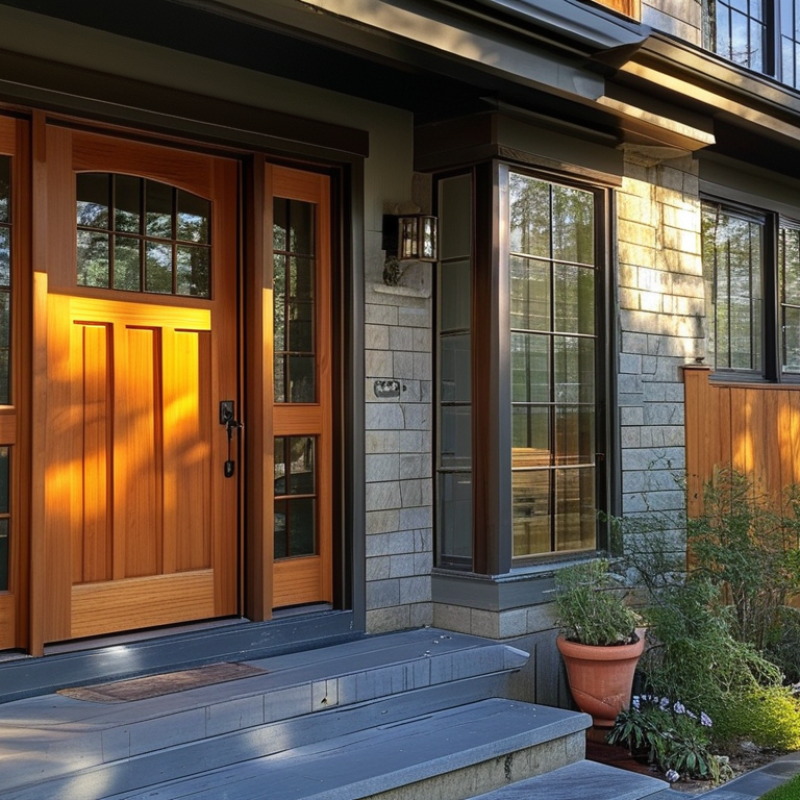
Top 10 Best Door Materials for Direct Sunlight?

How Direct Sunlight Affects Exterior Door Materials

Direct sunlight can change an exterior door long before it looks damaged. Ultraviolet radiation fades paint, dries wood fibers, and weakens some plastic surfaces. Dark colors absorb more heat, sometimes making a door feel hot by midday. Fiberglass usually resists warping well, while aluminum handles sunlight but can transfer heat quickly. Steel offers strength, yet its coating may blister or fade when installation is poor.

Wood remains attractive, but it needs regular sealing, especially on south- and west-facing entrances. Moisture movement can combine with heat and cause swelling, shrinking, or small cracks. Composite doors often provide steadier performance, although their surface quality varies widely. Vinyl, engineered wood, and reinforced plastic can also work, but their thermal expansion deserves attention. A tight frame may become difficult to open during extreme heat.

I have seen a well-made door fail early because its top edge received no protective finish. That detail was easy to miss. Shade from a porch, deep overhang, or exterior screen can reduce surface temperatures and extend coating life. Light-colored finishes generally age more slowly in harsh exposure. Check hinges, weatherstripping, and sealant each season. Small gaps can let heat and water enter. The best material is not always the most expensive one; orientation, ventilation, finish, and maintenance often matter just as much. Some advice still feels too general. Local climate should decide the final choice.

Key Performance Factors for Sun-Exposed Doors

Top 10 Best Door Materials for Direct Sunlight?

Key Performance Factors for Sun-Exposed Doors

Direct sunlight tests a door more severely than ordinary weather. Surface temperatures can rise sharply, especially on dark-colored panels facing west. Fiberglass, insulated steel, aluminum, composite, and treated wood can perform well, but material choice alone is not enough. The door’s core, finish, frame, and installation all affect its lifespan.

UV resistance is a practical priority. A stable finish helps prevent fading, chalking, and surface cracking. Thermal movement matters too. Aluminum can expand noticeably, while wood may absorb moisture and swell. Fiberglass usually moves less, yet poor construction can still cause problems. Small gaps around the frame often reveal weak weatherstripping or inaccurate installation. They should not be ignored.

Insulation reduces heat transfer through the slab and frame. Look for a low-conductivity core, tight seals, and a thermally improved threshold. Glass panels need solar-control glazing, especially on south- or west-facing entrances.

Hardware also deserves attention. Handles, hinges, and locks can become hot enough to feel uncomfortable after several hours of exposure.

A lighter exterior color often lowers heat buildup, but it is not a complete solution. I would be cautious with untreated wood in harsh sun, even when its appearance is attractive. It may need frequent refinishing, and maintenance is easy to underestimate. Shade from an overhang can protect nearly any door, although strong afternoon sun may still reach the lower panel. Door performance is often decided by these overlooked details.

Top Door Materials for Hot and Sunny Conditions

Direct sunlight tests a door through heat, ultraviolet exposure, and daily expansion. The best materials for hot, sunny conditions include fiberglass, insulated steel, thermally broken aluminum, solid wood, engineered timber, uPVC, wood-plastic composite, reinforced polymer, stainless steel, and low-E glazed door systems. Fiberglass resists warping, while insulated steel offers strong thermal stability. Thermally broken aluminum reduces heat transfer, but poor finishes may still become extremely hot. Wood feels cooler indoors, although it demands careful sealing and regular inspection.

The U.S. Department of Energy recommends evaluating U-factor and solar heat gain coefficient, not material names alone. A lower U-factor limits conductive heat flow. A lower SHGC can reduce unwanted solar gain in cooling climates. NFRC certification provides comparable ratings for tested door and glazing assemblies. The International Energy Agency’s Buildings 2023 report estimates that buildings consume about 30% of global final energy. Small envelope weaknesses matter.

Field installers often see the same failure: a good door with weak weatherstripping performs badly. Dark finishes can intensify surface temperatures. Hinges, thresholds, glass edges, and sealants deserve equal attention. I would not treat solid wood as a poor choice, but exposed wood needs shade and disciplined maintenance. uPVC and composite doors resist moisture well, yet some products can discolor or expand under severe sun. Material rankings are useful, but installation quality may change the result. The door should close evenly at midday, not only during a cool morning inspection.

Comparing Durability, Maintenance, Energy Efficiency, and Cost

Direct sunlight exposes door materials to heat, ultraviolet light, moisture, and repeated expansion. In site inspections, fiberglass and composite doors usually resist fading, warping, and dents well. Steel offers excellent security and durability, but exposed finishes can heat quickly and develop surface rust when damaged. Aluminum resists corrosion, although ordinary frames may transfer heat indoors. Thermally broken aluminum performs better.

Wood provides natural insulation and repairability, but it needs regular sealing. Wood-clad doors reduce exterior maintenance, while solid-core doors improve stability. Vinyl and uPVC need little upkeep, yet intense sunlight can cause discoloration or movement over time. Wrought iron lasts for decades, but it requires repainting and can conduct heat. Glass doors provide daylight, though only insulated, low-emissivity glass controls solar gain effectively. Some choices disappoint.

Energy efficiency depends on the whole door system, not just the slab. A fiberglass door with poor weatherstripping may waste more energy than a well-installed wood door. Look for insulated cores, tight seals, durable thresholds, and frames with thermal breaks. South- or west-facing entrances may also benefit from an exterior shade. This detail is often ignored.

Initial cost varies widely. Vinyl, steel, and standard fiberglass often offer practical value. Wood, wood-clad construction, insulated glass, and custom ironwork usually cost more. Maintenance can change the long-term price. A cheaper door needing frequent refinishing may become expensive after several summers. I would compare purchase cost, expected repairs, local climate, and installer quality before choosing. My own estimates would remain cautious because labor prices differ sharply by region.

How to Choose the Best Door Material for Your Climate

Top 10 Best Door Materials for Direct Sunlight?

Choosing a door for direct sunlight starts with your climate, not appearance. In hot, sunny regions, fiberglass and composite doors usually resist warping better than solid wood. Their insulated cores also reduce heat transfer through the slab. Steel can perform well, but dark finishes may become extremely hot. I have seen poorly shaded steel doors feel almost untouchable at midday.

For humid climates, choose sealed fiberglass, thermally broken aluminum, or carefully protected wood. Moisture can swell exposed wood edges, even when the surface looks finished. Coastal air adds corrosion risk, so hardware and fasteners need equal attention. In cold climates, insulated fiberglass or steel doors can reduce indoor heat loss. The frame and weatherstripping matter just as much. A high-performance slab cannot compensate for visible gaps.

Use the NFRC 100 and NFRC 200 rating procedures when comparing glazed doors. Lower U-factor means less heat flow, while lower solar heat-gain coefficient limits sunlight entering through glass. The 2021 International Energy Conservation Code also connects door and window performance with local climate zones. Check your area against the code’s requirements, rather than copying a neighbor’s specification. The U.S. Department of Energy’s Building America guidance also recommends exterior shading to control solar gain. A porch roof, deep overhang, or adjustable screen may outperform a more expensive material. This is easy to overlook. Climate data from the 1991–2020 NOAA Climate Normals can reveal whether your main problem is heat, cold, humidity, or rapid seasonal change.

Top 10 Best Door Materials for Direct Sunlight? - How to Choose the Best Door Material for Your Climate

Rank Door Material Direct-Sunlight Performance Heat and UV Behavior Moisture and Climate Suitability Maintenance Best Use Important Consideration
1 Fiberglass Excellent Resists warping, splitting, and UV-related surface deterioration when properly finished; generally more dimensionally stable than solid wood. Suitable for hot, sunny, humid, coastal, and cold climates; nonporous skins provide good moisture resistance. Low; clean periodically and renew the exterior finish as recommended. High-exposure exterior entry doors. Surface damage can still occur if the coating is neglected; quality varies by construction and finish.
2 Insulated Steel Very good Durable and stable; insulation reduces heat transfer, while a light-colored, UV-resistant finish helps limit solar heating. Works well in sunny, windy, and cold climates; vulnerable to rust if the protective coating is breached. Low to moderate; inspect paint, edges, hardware, and any scratches. Security-focused entrances and exposed locations. Uninsulated steel can become hot and transfer heat indoors; dents may be difficult to repair.
3 Aluminum Very good Does not rot or warp easily and naturally resists corrosion; metal conducts heat unless the door has a thermal break or insulated core. Strong choice for humid and coastal climates when corrosion-resistant finishes and suitable hardware are used. Low; wash away salt and dirt and check the finish periodically. Modern homes, patio entries, and humid regions. Dark finishes may become very hot; thermal performance depends heavily on design.
4 Engineered Wood Good to very good More stable than many solid-wood constructions because layered components reduce movement; exterior coatings protect against UV exposure. Suitable for many climates if all edges, joints, and faces are thoroughly sealed. Moderate; finish inspection and periodic resealing are important. Traditional or contemporary entrances needing a wood appearance. Poor installation or unsealed edges can lead to swelling, delamination, or moisture damage.
5 Solid Hardwood Good with protection Provides natural insulation, but sunlight and temperature changes can cause color fading, expansion, contraction, and surface checking. Best in relatively stable climates or protected porches; requires careful sealing in humid or rainy areas. High; inspect and renew stain or paint regularly, especially on sun-facing surfaces. Architectural entrances where natural grain is a priority. Overhangs, weather-stripping, and finish maintenance are essential for long service life.
6 Composite Wood Good Engineered fibers and resins can improve dimensional stability compared with untreated wood; UV resistance depends on the exterior coating. Performs well when sealed; prolonged water exposure can damage vulnerable joints or cut edges. Moderate; keep the finish intact and repair exposed areas promptly. Decorative doors requiring a wood-like appearance with improved stability. Material formulations differ, so exterior ratings and installation requirements should be checked.
7 uPVC Good Does not rust or rot and can offer good insulation; prolonged intense sun may cause discoloration or thermal movement in lower-quality products. Well suited to wet, humid, and coastal conditions because it is moisture resistant. Low; clean with mild soap and inspect seals. Utility entrances, balconies, and moisture-prone locations. Choose a formulation specifically rated for exterior UV exposure and avoid very dark colors in intense sun.
8 Glass-Fiber Reinforced Composite Good to very good The reinforced skin resists corrosion and many forms of movement; solar heat gain depends on the core, glazing, and color. Suitable for humid, coastal, and high-sun environments when the perimeter is correctly sealed. Low to moderate; maintain coatings, seals, and drainage paths. Lightweight doors and large exterior openings. Performance varies by core, thickness, glazing, and frame design rather than reinforcement alone.
9 Thermally Broken Steel Good Provides steel strength with reduced conductive heat transfer; exposed finishes still need UV protection and may heat significantly in dark colors. Appropriate for many climates, but scratches and damaged coatings must be repaired to prevent corrosion. Moderate; inspect the coating, threshold, weather seals, and drainage. Slim-profile designs and high-security applications. Thermal breaks improve efficiency but do not eliminate surface heat or condensation risks.
10 Glass Door with Low-E Glazing Good when correctly specified Low-emissivity coatings can reduce radiant heat transfer and solar gain; laminated or tempered glass improves safety and durability. Suitable for sunny and humid climates with corrosion-resistant framing and correctly detailed seals. Low to moderate; clean glass and inspect seals, rollers, and frame finishes. Patios, balconies, and entrances where daylight and views are important. Glazing can still increase indoor heat and glare; shading, orientation, and glass selection are critical.

Selection note: For direct sunlight, prioritize a light or UV-resistant exterior finish, insulated construction, full-perimeter weather-sealing, proper drainage, and an overhang or other shading where practical. Actual performance depends on the complete door system, including the slab, frame, glazing, hardware, installation, and local climate.

FAQS

Which door materials work best in direct sunlight?

Fiberglass and composite doors usually resist warping and heat better than solid wood. Insulated steel can also perform well. Material alone is not enough.

Why does climate matter when choosing a sun-exposed door?

Hot, sunny climates favor stable materials with insulated cores. Humid areas need sealed surfaces and protected edges. Cold regions benefit from insulated slabs and tight frames.

Can wood doors handle strong afternoon sunlight?

Treated wood can work, but exposed edges may swell or crack. Harsh sunlight may require frequent refinishing. I might underestimate that maintenance.

Does a light-colored door stay cooler?

Usually, yes. Light finishes absorb less solar heat than dark finishes. However, color cannot fix poor seals or weak construction.

How important are the door frame and weatherstripping?

They are extremely important. Small gaps can admit hot air, rain, and outdoor noise. A high-quality slab cannot compensate for inaccurate installation.

What should I check on a glazed exterior door?

Choose glazing that limits solar heat gain, especially on south- or west-facing entrances. A lower heat-transfer rating usually improves comfort. Clear glass may feel surprisingly hot.

How can exterior shading protect a door?

A porch roof, deep overhang, or adjustable screen can block intense sunlight. Shade may reduce surface temperature and slow finish fading. The lower panel may still receive afternoon sun.

What hardware details matter in direct sunlight?

Handles, hinges, and locks can become uncomfortable after several hours of exposure. Choose corrosion-resistant hardware in humid or coastal areas. Small parts matter too.

Conclusion

Direct sunlight can cause exterior doors to fade, warp, crack, absorb heat, and lose energy efficiency over time. The best door material for sunny conditions should resist ultraviolet exposure, temperature changes, moisture, and daily wear while maintaining a stable shape. Fiberglass, insulated steel, aluminum, solid wood with protective finishes, and composite materials each offer different advantages. Fiberglass and composite doors generally provide strong resistance to fading, warping, and moisture, while insulated steel doors can improve security and energy performance. Wood offers natural beauty but requires more frequent sealing and maintenance in harsh sunlight.

When asking, “What door material is best for direct sunlight,” homeowners should consider their local climate, exposure direction, humidity, maintenance preferences, budget, and desired insulation level. Light-colored finishes, UV-resistant coatings, weatherstripping, overhangs, and proper installation can further extend a door’s lifespan. Comparing durability, upkeep, energy efficiency, appearance, and long-term cost will help identify the most practical choice for hot and sunny conditions.

Sophia

Sophia

Sophia is a dedicated marketing professional with an exceptional depth of knowledge about her company's products and services. With a keen understanding of market trends and customer needs, she crafts insightful blog posts that not only inform but also engage readers, enriching the company’s online......