Can you automate an old garage door? This question resonates with many homeowners looking for convenience. As technology advances, automating older systems becomes a feasible task. Garage door openers enhance accessibility, but not all models are compatible.
Old garage doors may present unique challenges. They often lack modern features and require specific adaptations. Users may need to consider hardware compatibility and safety issues. Finding the right automation kit or service can prove challenging.
Despite potential hurdles, the benefits are appealing. Automated doors increase security and ease of entry. For busy families, these enhancements can save time. However, it's important to weigh costs against advantages carefully. Evaluate the current door’s condition and functionality first.
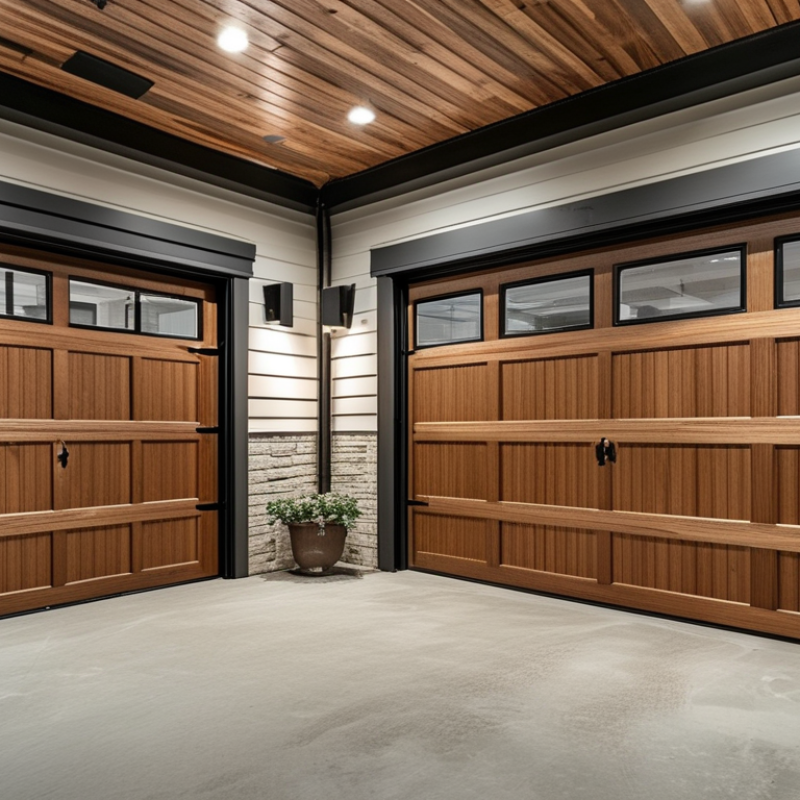
Automating an old garage door can seem straightforward. Yet, understanding the mechanisms behind these doors is crucial. Many older models operate with basic spring or chain systems. These systems may not easily integrate with modern automation solutions. A study by the Home Improvement Research Institute found that nearly 40% of homeowners face compatibility issues when automating their older garage doors.
Evaluating the type of garage door opener is essential. Chain-driven models, for instance, can be challenging to adapt due to their weight and tension. In contrast, belt-driven systems may offer more flexibility. Experts suggest that around 60% of automatic systems available today can work with older models if correctly matched. However, not all doors will suit such modifications. Homeowners should weigh the pros and cons carefully.
Installation can also pose challenges. Unlike newer doors designed for automation, old doors may require significant retrofitting. Some homeowners reported that their attempts to automate ended with inconsistent performance. This led to frustration and additional expenses. Consulting with a professional can provide insights into whether automation is viable for specific models. This effort can save both time and money in the long run.
This chart illustrates the compatibility scores of various garage door mechanisms for automation. Higher scores indicate that the mechanism is more easily automated, while lower scores suggest challenges or limitations in automation.
Garage door automation has become increasingly popular among homeowners. According to a report by the National Association of Home Builders, nearly 70% of new homes come with automated garage systems. This trend reflects the growing demand for convenience and security in daily life.
To automate an existing garage door, several tools can help. A standard garage door opener with smart technology can be installed. This allows users to control their doors remotely via smartphone apps. Sensors are also crucial for safety, preventing accidents when the door closes. Installation kits contain many vital components, and choosing the right tools is essential for a smooth installation process.
Nevertheless, some homeowners might find the installation challenging. Compatibility issues with older doors can arise. In some cases, professional help might be necessary, which could add to the project’s overall cost. Moreover, ongoing maintenance for automated systems can be another consideration. Regular checks are required to ensure sensors and motors function correctly. These factors should not be overlooked when considering automation for an old garage door.
Upgrading an old garage door with an automation system can enhance convenience and security. Start by assessing your existing door's condition. Ensure that the door opens and closes smoothly before adding any technology. A rusted or damaged door will complicate the installation of an automation system.
Before installation, gather all necessary tools. You'll likely need a drill, screws, and wiring materials. Be cautious while handling tools. Mistakes can happen if you rush. Follow the manufacturer’s instructions carefully, but remain flexible. Some adjustments may be necessary to fit your specific door model.
Tips for success: Always double-check connections. A loose wire can lead to operational failures. Test the system multiple times after installation. Adjust the sensitivity settings for safety. Also, consider adding a backup battery. This ensures continued operation during power outages. Devote time to understand each component thoroughly. A small oversight can lead to bigger issues later.
Automating an old garage door can enhance convenience. However, safety and security must always be the priorities. The automation process involves electrical components, which can pose hazards if not handled properly. It's crucial to ensure the garage door functions smoothly after installation. Any misalignment could lead to accidents.
Before starting the automation, inspect the garage door for wear and tear. Check cables and hinges for damage. Aging components can fail unexpectedly. This may create safety risks during operation. An old door might require additional reinforcement to support new automation features.
After completing the automation, conduct thorough testing. Ensure that safety sensors are functioning well. A malfunction could endanger users. Secure remote access to the automation system to prevent unauthorized entry. Regularly review the garage security, especially after completing any upgrades. This attention to detail will ensure a safe and reliable automated garage door.
Automating an old garage door can greatly enhance convenience but may present several challenges. Common issues arise during the installation process. Faulty wiring and incompatible sensors often lead to failures. Check if the power supply is stable before installation. If the door doesn’t respond, the problem could stem from a disconnected wire.
Remote controls can also cause headaches. They may need new batteries or could require reprogramming. Look for interference from other devices nearby, as this can disrupt the signal. Additionally, mechanical issues like misaligned tracks can prevent the door from opening smoothly. Regular maintenance and lubrication help mitigate these problems, yet many homeowners overlook these tasks.
It's important to consider the age of the garage door itself. If it is too worn, automation may be impractical. Rust or damaged components can lead to unsafe conditions. Always evaluate the overall structure of the door before automation. Sometimes, upgrading the entire system may be a more reliable option than trying to fix persistent issues.
| Issue | Description | Possible Solution | Cost Estimate ($) |
|---|---|---|---|
| Remote Not Working | Remote control isn't sending signals | Replace batteries or reprogram the remote | 10 - 50 |
| Sensor Misalignment | Sensor beams are obstructed or misaligned | Realign or clean sensors | 0 - 20 |
| Door Doesn't Close Completely | Garage door stops before fully closing | Adjust limits on garage door opener | 30 - 100 |
| No Power to the Opener | Opener is unresponsive | Check power supply or circuit breaker | 0 - 50 |
| Unusual Noises | Grinding or squeaking sounds from door operation | Lubricate rollers and hinges | 20 - 60 |
: Automating your garage door enhances convenience and increases security for your home.
You will need a drill, screws, wiring materials, and an automated garage door opener with smart technology.
A damaged door complicates installation. Ensure it opens smoothly before adding any technology.
Gather all tools beforehand and follow the instructions carefully while being ready to make adjustments.
Check for disconnected wires and ensure the power supply is stable. Faulty wiring can cause issues.
Yes, remote controls may need new batteries or reprogramming, or may face interference from other devices.
Regularly check connections, lubricate moving parts, and adjust sensor sensitivity to prevent operational failures.
If the door is worn or rusted, automation might be impractical. Assess its overall structure first.
Sometimes, professional assistance is needed to address compatibility issues, but it can increase overall project costs.
Always double-check connections and test the system multiple times for reliability after installation.
In the article titled "Can You Automate an Old Garage Door for Easy Access?", we explore the potential for integrating modern automation technology into older garage door systems. Understanding the mechanics of these traditional systems is crucial for determining their compatibility with automation solutions. The article outlines essential tools and technologies required for the process, emphasizing a step-by-step guide for installing an automation system effectively.
Safety and security are paramount during the automation process, and we provide insights on maintaining these aspects both during and after installation. Furthermore, the article addresses common issues that may arise with automated garage doors and offers troubleshooting tips. By examining these factors, we conclude that automating an old garage door can significantly enhance convenience while ensuring that the process is carried out safely and efficiently.

DCTan Door