2026 Top Garage Fire Door Risks What Happens Without One?

Time:2026-10-15 Author:Sienna
0%

A garage can look quiet, yet it often stores fuel, batteries, paints, tools, and vehicles beside living spaces. The National Fire Protection Association (NFPA) reported an estimated 6,600 garage fires annually during 2009–2013, causing about 30 deaths, 400 injuries, and $457 million in direct property damage. Its analysis also found that fires beginning in attached garages were six times more likely to spread into the home than fires in detached garages. These figures are historical, not a prediction for every household, but they reveal a serious weakness in unprotected connections.

What happens if you don't have a fire door to the garage? Heat, smoke, and flames may enter through the doorway before occupants recognize the danger. Smoke can travel faster than people expect, especially at night. A properly rated, self-closing door can delay that movement and support evacuation, but it cannot stop every fire. That distinction matters.

NFPA 80 provides recognized guidance for fire doors and other opening protectives, while local building officials determine which assemblies apply to a specific property. The correct door rating, frame, hinges, closer, and latching hardware must work together. A damaged seal or propped-open door can quietly defeat the system. This is where many homeowners misjudge risk. They notice the vehicle and ignore the doorway.

Insurance, building, and fire-safety professionals commonly recommend checking the garage separation, smoke alarms, storage practices, and door condition as one system. Older homes may contain unknown modifications. A careful inspection is wiser than assuming the existing door offers protection. Even a small gap beneath it deserves attention.
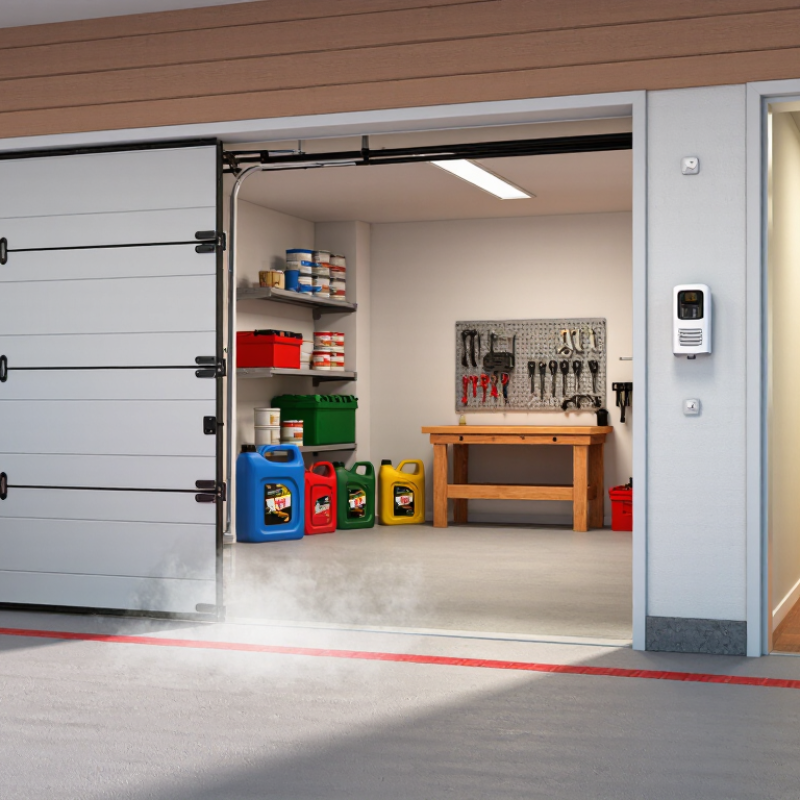
2026 Top Garage Fire Door Risks What Happens Without One?

What Is a Garage Fire Door and How Does It Work?

A garage fire door is a tested barrier between an attached garage and the living area. It usually includes a solid, fire-resistant door, a sturdy frame, and self-closing hardware. Its job is simple: slow flames, heat, and smoke before they enter the home. It is not designed to stop a fire forever.

When heat reaches the door, its materials resist ignition for a measured period. A closer pulls the door shut after someone walks through. Proper seals can limit smoke movement around the edges. Small details matter. The door must fit tightly, latch completely, and remain free from damage. A hollow interior door or a door propped open may offer little protection.

During residential inspections, common problems include missing closers, loose hinges, cracked panels, and storage blocking the doorway. A garage fire can grow quickly because vehicles, fuel residues, cardboard, and tools create heavy smoke. Without a suitable barrier, flames may reach bedrooms before occupants wake. Smoke can travel even faster.

Installation requirements vary by building design and local rules, so qualified inspection is wise. Check the label, frame, hardware, and surrounding wall as one system. Do not assume a heavy door is automatically fire-rated. That assumption can be dangerous. Even careful homeowners miss small gaps. Repairing them early is usually less disruptive than discovering the weakness during an emergency.

Key Fire Risks When a Garage Lacks a Fire Door

2026 Top Garage Fire Door Risks: What Happens Without One?

A garage without a suitable fire door creates a direct path toward living areas. Flames can move through an unprotected opening before occupants recognize the alarm. The U.S. Fire Administration reports roughly 6,600 residential garage fires annually, causing about 30 deaths, 400 injuries, and $457 million in property losses. Numbers vary by reporting period, but the hazard remains clear.

Smoke travels first. Often much earlier.

Vehicle fires are especially concerning because fuel, plastics, tires, and stored chemicals can produce dense, toxic smoke. The National Fire Protection Association recorded about 13,570 home fires involving vehicles each year from 2014–2018. These incidents caused approximately 209 civilian deaths, 1,000 injuries, and $646 million in annual property damage. A code-compliant, self-closing, latching fire door can slow heat and smoke movement between the garage and house.

Small defects matter. A door that drags, fails to latch, or has damaged seals may not perform as intended. Garage clutter can also block closing. This is where homeowners sometimes underestimate risk. A fire door is not a magic shield. Its rating, frame, hardware, and installation must work together. Requirements differ by location, so qualified inspectors should verify the assembly against current local building and fire codes. Even then, maintenance is easy to neglect. That deserves more attention.

2026 Top Garage Fire Door Risks: What Happens Without One?

Key fire risks when a garage lacks a fire door between the garage and the home.

A garage can contain vehicles, fuel, batteries, electrical equipment, tools, and other ignition sources. Without a properly installed fire-resisting door, flames and smoke may spread more quickly from the garage into living areas, reducing evacuation time. A fire door slows fire spread but does not prevent ignition.

Source: National Fire Protection Association, Home Fires Involving Garages, 2014–2018 U.S. annual averages. The source reports approximately 6,300 home structure fires, 280 civilian injuries, and 60 civilian deaths per year involving garages.

How Garage Fires Spread Without Proper Protection

Garage fires become especially dangerous when the garage connects directly to living areas. Flames can move through an unprotected doorway within minutes, while smoke enters bedrooms, hallways, and stairwells. Stored cardboard, fuel containers, tools, and vehicle materials can intensify the fire. The danger is often underestimated.

The National Fire Protection Association reported approximately 6,600 home fires beginning in garages each year from 2014 to 2018. These fires caused about 30 civilian deaths, 400 injuries, and 457 million dollars in direct property damage. NFPA 80 identifies fire doors as protective assemblies that require suitable ratings, self-closing performance, and regular maintenance. A properly installed garage fire door can slow heat and smoke movement. It cannot stop every fire.

Small failures matter. A blocked closer may leave the door partly open. Damaged seals can allow smoke to pass around the frame. Some homeowners use ordinary interior doors, believing they look sufficient. They may not be. The safer approach includes professional inspection, correct installation, clear door swings, and routine testing. Keep the door closed.

This is not perfect protection. Maintenance is often forgotten. Yet delaying smoke exposure by even a short period can create valuable time for escape and emergency response.

Safety, Property, and Legal Consequences of Missing One

A missing or damaged garage fire door can turn a small vehicle fire into a home emergency. Flames may reach stored fuel, electrical equipment, or wall insulation within minutes. Smoke can enter bedrooms through the garage ceiling and attached walls. A door can look solid and still fail.

During property inspections, common problems include removed self-closing hardware, broken hinges, damaged seals, and doors wedged open. These details seem minor. They are not. A proper fire door should close fully, latch securely, and match local building requirements. Penetrations around pipes, cables, and ducts also need suitable fire-resistant protection. Unapproved repairs may reduce performance, even when the surface appears normal.

Property damage is only one concern. Residents may face smoke exposure, blocked escape routes, and delayed emergency response. Insurance coverage may become harder to assess when required safety features were removed or neglected. Local authorities could also request corrections, impose penalties, or delay occupancy approval, depending on jurisdiction. Real estate transactions may face inspection objections or disclosure questions. Requirements differ by location, so a qualified inspector should review the assembly against current codes and permit records. Annual checks are useful, but a door damaged by impact needs attention immediately. Many owners remember the door only after a near miss.

2026 Top Garage Fire Door Risks: What Happens Without One? — Safety, Property, and Legal Consequences
Risk Dimension What Can Happen Without a Suitable Garage Fire Door? Potential Consequence Risk Level Recommended Control Key Reference or Qualification
Fire and Smoke Spread Fire, hot gases, and smoke may move directly from the garage into the dwelling through the connecting opening. Vehicles, fuels, solvents, batteries, and stored materials can increase the available fire load. Earlier smoke exposure, reduced escape time, serious injury, or loss of life. High Install a properly sized, self-closing, self-latching door assembly designed for the required fire-protection level and maintain the surrounding wall and frame. Residential building codes commonly require protected openings between an attached garage and a dwelling, subject to local adoption.
Required Fire-Protection Rating A non-rated interior door may fail sooner than a code-compliant fire-protection door during a fire. The required rating depends on the wall, floor, occupancy, and adopted local code. Code violation, failed inspection, increased fire damage, or delayed approval of a building project. High Confirm the required rating with the local building authority. In many U.S. residential jurisdictions, a 20-minute door is used for a garage-to-dwelling opening, but requirements vary. Do not assume that a standard hollow-core interior door provides fire protection.
Smoke Infiltration Gaps at the threshold, frame, hinges, or door leaf can allow smoke to pass even when flames have not yet reached the opening. Respiratory injury, contamination of living areas, damaged contents, and difficult evacuation. High Keep perimeter clearances within the listed assembly limits; repair damaged seals, frames, thresholds, and hardware. Smoke movement can precede visible flame spread and is a major life-safety concern.
Door Left Open A door that is propped open, blocked, or missing a functioning closer removes the intended separation between the garage and the home. Fire and smoke can enter the home immediately through an unrestricted opening. High Use a self-closing device where required, keep the door unobstructed, and ensure it closes fully from the open position. Self-closing and self-latching performance is commonly required for protected openings.
Self-Latching Failure A loose strike plate, misaligned latch, worn hardware, or warped door may prevent the latch from engaging when the door closes. The door may appear closed but remain vulnerable to fire and smoke passage. High Test the latch regularly by closing the door from different opening positions; adjust or replace defective hardware. A closed door is not necessarily a latched door.
Combustible Materials and Ignition Sources Gasoline, propane, paints, oily rags, cardboard, woodworking dust, chargers, and electrical equipment can intensify a garage fire. Faster fire growth, higher temperatures, explosions or flash fires, and greater structural damage. High Store flammable liquids in approved containers, control ignition sources, keep combustibles away from appliances, and maintain clear access to the door. Safe storage and housekeeping reduce ignition and fire-growth potential but do not replace a protected opening.
Carbon Monoxide and Vehicle Exhaust Without a properly separated garage, vehicle exhaust and other pollutants can enter the home more easily, especially through gaps or pressure differences. Carbon monoxide poisoning, headaches, confusion, unconsciousness, or death. High Never run a vehicle in an enclosed garage; keep the separation door closed and install carbon monoxide alarms as required by local code. A fire door is not a substitute for ventilation, safe vehicle operation, or carbon monoxide detection.
Property Damage Fire and smoke can spread from the garage to living spaces, contents, wiring, insulation, ceilings, and structural components. Higher repair costs, longer displacement, smoke remediation, and possible structural reconstruction. High Maintain the complete separation system: rated wall or floor, protected door, compatible frame, intact drywall, and sealed penetrations. Replacing only the door may not restore protection if the surrounding assembly is incomplete.
Insurance and Claims A missing or non-compliant door may become an issue during underwriting, inspection, claim investigation, or loss adjustment. Possible coverage disputes, delayed settlement, reduced reimbursement, or out-of-pocket repair costs, depending on the policy and facts. Medium to High Follow the policy conditions, disclose material alterations when required, retain installation and maintenance records, and verify requirements with the insurer. Insurance outcomes are policy- and jurisdiction-specific; absence of a fire door does not automatically determine coverage.
Building-Code Compliance An opening that does not meet the locally adopted residential or commercial code may fail a permit inspection or trigger a correction notice. Rework costs, project delays, fines, permit complications, or difficulty obtaining approval for sale or remodeling. Medium to High Check the currently adopted code edition and local amendments before selecting the door, frame, closer, glazing, and hardware. Code requirements differ by country, state, municipality, occupancy, and construction type.
Sale, Rental, or Disclosure Risk A missing or defective separation door may be identified during a home inspection, municipal inspection, lender review, or rental safety assessment. Negotiated repair credits, delayed closing, required corrective work, or rental compliance action. Medium Correct deficiencies before listing or occupancy and retain photographs, permits, product documentation, and inspection records. Disclosure and inspection obligations depend on the transaction and local law.
Accessibility and Daily Use A damaged, excessively heavy, poorly aligned, or incorrectly adjusted door may be difficult to operate and may be left open. Reduced everyday safety, trip hazards, unreliable closure, and increased likelihood of occupants bypassing the door. Medium Maintain smooth operation, safe clearances, appropriate hardware, and a closing force that complies with applicable requirements. Do not remove a closer or prop the door open to solve an operational problem; repair the cause.
Inspection and Maintenance Cracks, holes, missing labels, damaged hinges, altered glazing, worn seals, and unapproved modifications can compromise the assembly. Reduced fire performance and increased likelihood of failing an inspection when protection is needed. Medium Inspect the door and frame at least annually and after impact, remodeling, water damage, or hardware changes; use compatible replacement components. Some commercial and multi-family applications require documented periodic inspection under adopted fire-door standards.
Emergency Escape and Rescue Smoke, heat, and a blocked or difficult-to-operate door can interfere with movement between the garage and dwelling during an emergency. Delayed evacuation and increased exposure to toxic smoke and heat. High Keep the route clear, ensure the door opens from the occupied side without a key, and include the door in household fire-drill planning. Emergency egress requirements vary by location and occupancy; local code controls.
Remodeling and Penetrations New ducts, cables, pipes, pet doors, vents, or ventilation openings can bypass the intended garage-to-home separation. Hidden pathways for flame, smoke, and hot gases; possible permit and inspection failure. High Use approved firestopping and listed assemblies; do not cut, drill, or add openings to a rated door or frame without authorization. Penetrations must be protected according to the applicable code and tested system requirements.
Important 2026 qualification: Fire-door requirements are not identical everywhere. The applicable rule depends on the country, state or province, municipality, building code edition, occupancy type, garage configuration, and whether the property is residential, commercial, or multi-family. Confirm the required assembly with the local building or fire authority before installation or replacement.
Technical basis: The table reflects common principles found in locally adopted residential and building codes concerning garage-to-dwelling separations, protected openings, self-closing and self-latching doors, fire-resistance continuity, carbon monoxide safety, and periodic fire-door inspection practices. Local code and the door assembly’s listing control where requirements differ.

How to Choose and Maintain an Effective Garage Fire Door

A garage fire door is not just a heavy door. It is a tested barrier between vehicles, fuel, tools, and living space. NFPA’s Home Structure Fires report found an estimated 343,100 home structure fires annually from 2016 to 2020. These fires caused about 2,620 deaths and 11,530 injuries each year. A properly selected door can slow heat, flames, and smoke before they reach bedrooms.

Choose a complete, listed fire-door assembly, not only a fire-rated door panel. Check its rating, frame, hinges, closer, latch, and smoke seals. The door should close fully without assistance. It should latch every time. NFPA 80 recommends regular inspection and maintenance for opening protectives. Look for bent tracks, damaged seals, loose hardware, and gaps around the frame. Never wedge the door open. A door may look strong but still fail because its closer is weak. This is an easy detail to miss.

Tips: Test the door monthly with a slow, controlled opening. Confirm that it shuts and latches by itself. Keep paint, storage boxes, and bicycles away from its path. Replace damaged seals with compatible parts. Do not drill extra holes or remove hardware without qualified guidance. Arrange a professional inspection when the frame shifts, the door drags, or smoke enters the house. NFPA data is useful, but local building requirements and the manufacturer’s instructions still matter. Convenience often wins in real garages. That deserves honest reconsideration.

FAQS

What is a garage fire door?

It is a tested barrier between an attached garage and the living area. It usually includes a solid door, sturdy frame, closer, and latch. Its purpose is to slow flames, heat, and smoke.

How does a garage fire door work?

Fire-resistant materials delay ignition for a measured period. A self-closing device pulls the door shut after someone passes through. Seals can reduce smoke movement around the edges. Smoke moves quickly.

Can a garage fire door stop a fire completely?

No. It only provides extra time for detection and escape. The door may eventually fail under intense heat. That limitation matters during emergency planning.

Why is a self-closing feature important?

An open door creates a direct path from the garage into the home. The closer shuts the door without relying on memory. A blocked or damaged closer may leave the opening exposed.

What common problems reduce fire door protection?

Missing closers, loose hinges, cracked panels, and damaged seals are common concerns. A door that drags may not latch fully. Small gaps can allow smoke through. Details matter.

Is a heavy door automatically fire-rated?

No. Weight alone proves very little. The door, frame, hardware, seals, and wall should function as one tested assembly. Appearance can mislead me, too.

Can garage storage interfere with fire protection?

Yes. Boxes, tools, bicycles, or containers can block the doorway. The door may fail to close completely. Keep the swing area clear, especially near the latch side.

How often should a garage fire door be checked?

Inspect it regularly for cracks, loose hinges, failed seals, and closing problems. Confirm that it latches without assistance. Local requirements differ, so qualified inspection may be wise. I might overlook one small gap.

Conclusion

A garage fire door is a specially designed barrier that helps slow the spread of flames, heat, and smoke between the garage and the living areas of a home. It works by remaining closed during a fire and resisting damage long enough to provide occupants with more time to escape and emergency responders more time to act. Key risks in an unprotected garage include vehicle fires, fuel or chemical ignition, overloaded electrical equipment, and flames spreading through connected walls, ceilings, or ventilation spaces. What happens if you don't have a fire door to the garage? Fire and toxic smoke may reach the home much faster, increasing danger to people, pets, and property.

Without proper protection, a garage fire can cause extensive structural damage, destroy personal belongings, interrupt daily life, and create serious safety concerns. Choosing an effective fire door involves checking its fire-resistance rating, fit, self-closing function, and compatibility with the surrounding structure. Regular inspections should confirm that the door, frame, hinges, seals, and closing mechanism remain in good condition and unobstructed.

Sienna

Sienna

Sienna is a skilled marketing professional with a deep expertise in our company’s core products and services. With a passion for innovation and detail, she plays a pivotal role in crafting insightful blog posts that not only highlight the unique features of our offerings but also provide valuable......