A 20-minute fire door can sound like a simple countdown. It is not. The rating usually describes how long a complete, tested door assembly resisted fire under controlled laboratory conditions. That assembly includes the door leaf, frame, hinges, closer, glazing, seals, and approved hardware. Change one component, and the result may change too.
So, how long does a 20 minute fire door actually last in a real building? The honest answer is less precise. Fire temperature, smoke movement, installation quality, maintenance, and surrounding construction all matter. A door exposed to flames may perform differently from one facing intense heat and smoke. A small gap beneath the door, a loose hinge, or a damaged intumescent seal can weaken its protection. These details are easy to overlook.
Twenty minutes is a tested rating, not a promise.
During site inspections, professionals often find doors propped open, closers disconnected, or seals painted over. These faults may seem minor, especially in busy corridors. They are not. Correct installation must follow the manufacturer’s instructions and the relevant certification requirements. Regular inspection should check alignment, closing action, latch engagement, glazing, labels, and seal condition. Records also help reveal repeated problems.
It is tempting to treat the number as absolute. That interpretation needs questioning. A certified door assembly can provide valuable time for evacuation and emergency response, but it cannot guarantee safety in every fire. Product documentation, competent inspection, and suitable building design remain essential. Real performance depends on the whole system, not the label alone.
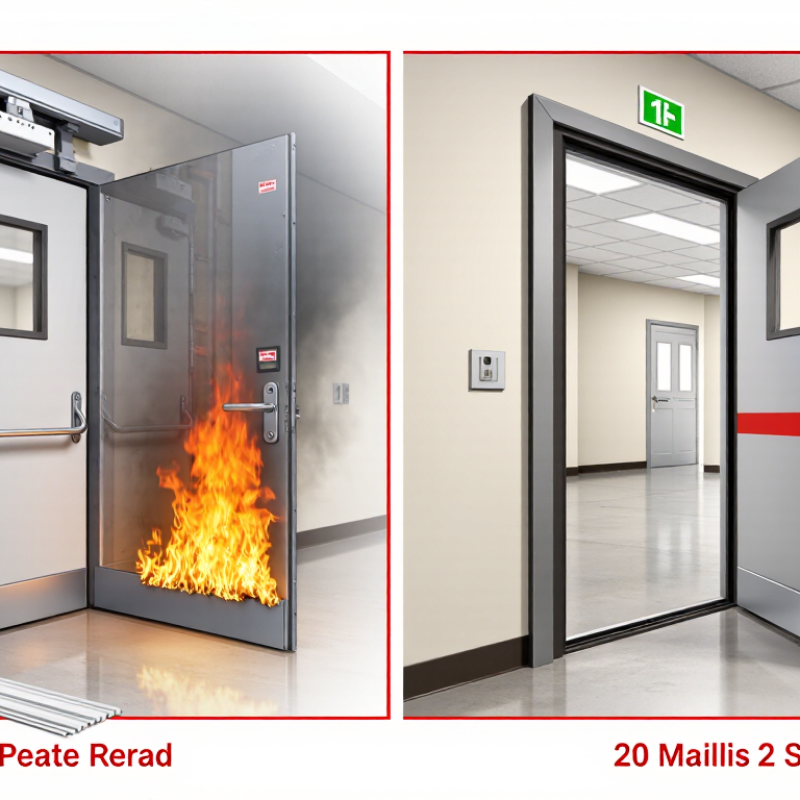
What a “20-Minute” Fire Door Rating Actually Measures
A “20-minute” fire door rating does not mean the door will fail at exactly 20 minutes. It describes how long a tested door assembly met specified performance criteria during controlled fire exposure. The assembly may include the door leaf, frame, hinges, latch, closer, glazing, and seals. Testing measures the complete system, not the door panel alone. Conditions also matter.
The rating is a measured result, not a promise for every installation. Heat, smoke, damaged hardware, poor clearances, or an unsuitable frame can reduce real performance. A door can look solid yet leave a dangerous gap beneath it. Conversely, a properly maintained assembly may perform beyond the listed period, but that should never be assumed. Test methods and approval requirements differ by location, so the rating must match the applicable project standard. The number is useful. It is not the whole story.
Tips:
Check the certification label and installation instructions before fitting the door. Confirm the frame, hinges, latch, closer, and seals are compatible. Keep the door closed and self-latching. Do not wedge it open. Inspect gaps, damage, and missing screws during routine checks. A visual inspection helps, but it cannot replace competent testing or documented maintenance. A “20-minute” rating measures tested resistance under defined conditions, while actual protection depends on the entire opening and its upkeep.
How Fire Door Tests Establish the Rated Protection Time
Why Does a 20 Minute Fire Door Last Only 20 Minutes?
A 20-minute fire door rating describes tested protection time, not its expected service life. During a fire-door test, the complete assembly faces a controlled furnace curve. The test includes the door leaf, frame, hinges, latch, glazing, and approved hardware. Every component matters.
Standards such as NFPA 252 measure how long the assembly limits flames, heat, and smoke under defined conditions. Test laboratories may also apply hose-stream exposure, depending on the required procedure. A door passes only when it meets specific integrity and temperature limits. It does not promise that every real fire stops at twenty minutes. Real fires vary with ventilation, fuel load, room geometry, maintenance, and installation quality. That distinction is often missed.
The NFPA report Fire Loss in the United States During 2023 recorded approximately 1,388,500 fires and 3,670 civilian fire deaths.
These figures show why tested compartmentation matters. Yet a rating can be weakened by a damaged seal, a wedged-open leaf, or an incorrect closer. Small failures become serious quickly. Field inspections should verify labels, clearances, self-closing action, latching, and frame condition. Records should also document repairs and recurring defects.
A 20-minute rating is a measured result.
It is not a countdown clock.
My own interpretation would be cautious: test evidence is strong, but installation reality remains imperfect. A door may protect longer, or fail sooner, when site conditions differ from the laboratory.
Which Components Determine a Fire Door’s Fire Resistance
A 20-minute fire door does not contain a simple timer. Its rating comes from the complete door assembly, tested under controlled fire conditions.
The door leaf is critical. Its core must resist heat, flames, and structural distortion. Timber, mineral-based, or composite cores behave differently during testing. The frame matters just as much. Weak joints, poor anchoring, or excessive gaps can reduce protection quickly. A certified leaf installed in an unsuitable frame is not a reliable fire door.
Intumescent seals expand when heated and close the gaps around the leaf. They must be continuous, correctly sized, and undamaged. Smoke seals add another layer of protection, especially before temperatures become extreme. Glazing requires tested fire-resistant glass, suitable beads, and approved setting materials. Ordinary glass has no place in this assembly.
Hinges, latches, closers, and locks also influence performance. The closer must shut the door fully, without forcing the leaf against the frame. Hardware changes can create unexpected weaknesses. Even a small wedge can defeat the designed protection.
Installation quality is often overlooked. On site, uneven floors, damaged seals, and oversized gaps appear more often than expected. That is where theory meets reality. Test evidence should match the complete assembly, including its wall type and hardware. A door may be rated for 20 minutes, but poor maintenance can shorten its real service life. The rating is not a promise for every condition. It is evidence of performance within defined limits.
Why Real-World Conditions Can Shorten Its Protection Time
Why Does a 20 Minute Fire Door Last Only 20 Minutes?
A 20-minute fire door does not promise unlimited protection. Its rating comes from a controlled test, using specified temperatures, pressure, hardware, and installation conditions. Real fires behave differently. Heat can rise unevenly, flames can spread through damaged seals, and smoke may pass through small gaps long before the door fails visibly.
Installation quality often decides the result. A poorly fitted frame, loose hinges, or an oversized clearance can reduce the door’s effective resistance. Door closers also matter. If the door remains partly open, its tested performance no longer applies. Even approved glazing, locks, and vision panels must match the complete door assembly. One weak component can change the outcome.
Maintenance is easy to underestimate. Dust, paint buildup, warped panels, and worn intumescent seals may appear minor during a routine walk-through. Under fire conditions, they are not minor. A qualified inspector should check gaps, latching, hinges, seals, and surrounding walls against applicable standards. Occupants also need clear access, because a blocked doorway can delay closure.
The rating is a measured limit, not a countdown clock. This distinction is sometimes missed, including by experienced teams. A realistic assessment should consider fire load, ventilation, building movement, and maintenance history. The uncomfortable question is whether the installed door still matches the tested assembly today.
How Installation and Maintenance Affect Fire Door Performance
Why Does a 20 Minute Fire Door Last Only 20 Minutes?
A 20-minute rating describes a tested door assembly, not a guarantee under every condition. The test includes the door leaf, frame, hinges, latch, closer, and seals working together. Installation can change that performance quickly. A frame that is out of square may prevent the latch from engaging. Excessive gaps can also allow heat and smoke to pass earlier than expected.
Small gaps matter. Installers should check the frame, hardware, and clearances against approved instructions and local requirements. Intumescent seals must remain continuous and undamaged. The closer should shut the door fully without slamming. Wedges, improvised hold-open devices, or unapproved drilling can compromise the assembly. A neat-looking door can still fail. This is an easy mistake to underestimate.
Maintenance protects the original installation. Regular inspections should look for loose hinges, damaged seals, warped leaves, weak closers, and latch problems. Keep the threshold clear of paint, dust, and stored items. Never trim, shave, or alter the door casually when it sticks. Find the cause first. Maintenance is not cosmetic. Inspection records help show recurring faults and support decisions by competent professionals. No checklist catches everything, so unusual damage or repeated closing problems deserve a closer assessment.
FAQS
The complete door assembly determines its rating. This includes the leaf, frame, seals, glazing, hardware, wall, and installation. The rating is measured under controlled test conditions.
The leaf must resist heat, flames, and warping. Timber, mineral-based, and composite cores behave differently. A strong-looking surface proves very little.
The frame must be correctly anchored and fitted. Weak joints or large gaps can reduce protection quickly. A certified leaf cannot compensate for an unsuitable frame.
Intumescent seals expand when heated. They close gaps around the door leaf. The seals must be continuous, correctly sized, and undamaged.
Smoke seals help limit smoke before temperatures become extreme. They are especially useful around early gaps. Small gaps can matter more than expected.
Glazing needs tested fire-resistant glass, suitable beads, and approved setting materials. Hinges, latches, closers, and locks must match the tested assembly. Ordinary glass is unsuitable.
No. The tested performance assumes the door closes fully. A faulty closer, loose hinge, or small wedge can defeat the design. The gap is the problem.
Real fires differ from controlled tests. Heat, ventilation, building movement, damaged seals, and maintenance can change performance. The rating is a measured limit, not a countdown clock. This distinction is easy to miss.
Inspect gaps, hinges, seals, latching, glazing, hardware, and surrounding walls. Look for dust, paint buildup, warped panels, and damaged seals. Clear access is essential. A checklist may still miss practical problems.
Conclusion
A 20-minute fire door is designed to provide tested protection for at least 20 minutes under specific laboratory fire conditions—not to guarantee that it will always remain fully effective for exactly that length of time in every building. The question “How long does a 20 minute fire door actually last” depends on the complete door assembly, including the door leaf, frame, hinges, latching hardware, glazing, seals, and surrounding wall construction. Fire-resistance tests assess how well these components limit flames, smoke, heat transfer, and structural failure during controlled exposure.
In real-world conditions, protection may be reduced by improper installation, gaps, damaged seals, unsuitable hardware, frequent use, or a poorly maintained frame. Building layout, fire intensity, ventilation, and the condition of nearby materials can also affect performance. Regular inspections, correct installation, reliable self-closing action, and prompt repair of damage help the door perform closer to its tested rating. The 20-minute label should therefore be understood as a certified minimum performance under defined conditions, not an exact prediction of survival time in every fire.

 DCTan Door