How Long Does a 20 Minute Fire Door Really Last?

Time:2026-06-07 Author:Charlotte
0%

When considering fire safety in buildings, many ask, "How long does a 20 minute fire door actually last?" This question reflects a broader concern about the effectiveness of fire doors in real-life scenarios. Fire doors are designed to withstand flames and smoke for a specific duration. However, the true performance can vary.

A 20-minute fire door refers to its ability to delay the spread of fire for twenty minutes. But factors like installation quality, door material, and surrounding conditions significantly influence its effectiveness. For example, a poorly installed door may not seal properly, allowing smoke to infiltrate.

Moreover, fire doors are only part of a comprehensive fire safety plan. Regular maintenance and inspections are vital. These doors demand a critical view—are they functioning as intended? Understanding the limits and conditions of a fire door’s protection is essential for safety. Knowing "How long does a 20 minute fire door actually last" encourages better preparedness and safety in every building.
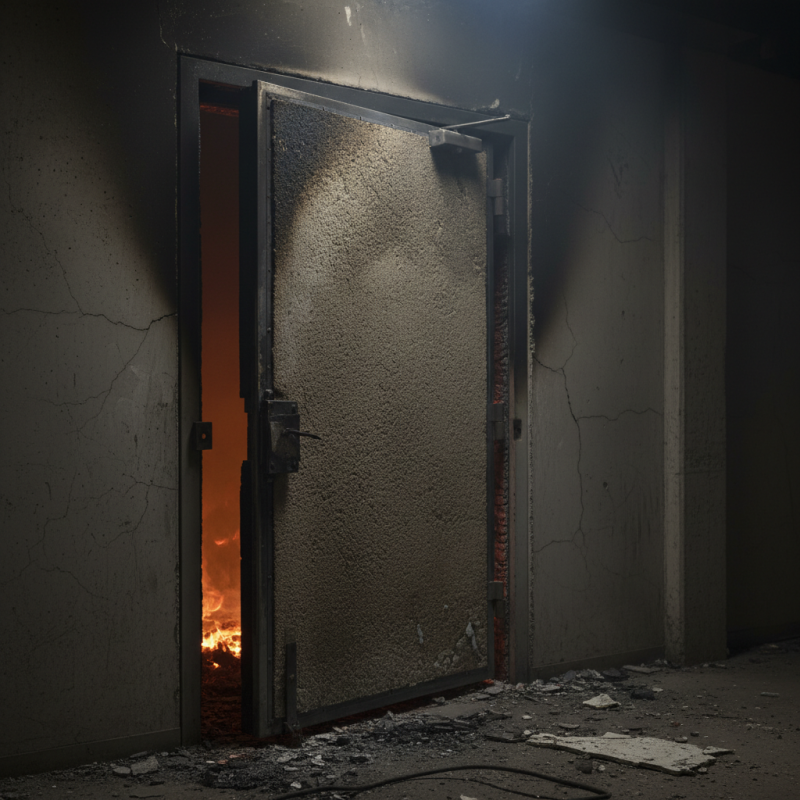
How Long Does a 20 Minute Fire Door Really Last?

Definition and Purpose of a 20-Minute Fire Door

A 20-minute fire door is designed to withstand fire for up to 20 minutes. Its primary purpose is to slow the spread of smoke and flames, providing crucial time for occupants to escape. These doors are often found in corridors and stairwells, serving as barriers in case of a fire emergency. The construction of a 20-minute fire door typically includes a solid core and fire-resistant materials, ensuring a reliable defense against fire hazards.

Tips for maintaining fire doors include regular checks for damage and ensuring they close properly. Even small gaps can compromise their effectiveness. It's essential to keep these doors unobstructed, as clutter can hinder their operation. Educating building occupants on the significance of fire doors can enhance overall safety.

When evaluating a fire door's effectiveness, consider the installation process. Improper installation can impact its fire-resistance rating. Each fire door must be installed according to specific guidelines to perform correctly during an emergency. Taking time to understand these details can significantly improve fire safety in your building.

Materials and Construction Standards for Fire Doors

Fire doors play a critical role in building safety. They are designed to contain fire and smoke, giving occupants time to escape. However, their effectiveness largely depends on the materials used and the construction standards they meet.

Most fire doors are made from solid core materials like gypsum or steel. These materials are tested for their ability to withstand heat. However, not all doors are created equal. Some may have inadequate seals or weak frames. These shortcomings can significantly reduce their effectiveness during a fire.

Construction standards are vital. Fire doors must meet specific ratings, usually given in minutes, like 20 or 60 minutes. Meeting these standards requires expertise and attention to detail. Installation flaws can lead to poor performance. Regular inspections can help identify issues. It's essential to monitor the condition of fire doors, even those rated for longer durations. After all, a door's integrity can be compromised over time or due to wear. Adhering to material and construction standards is crucial for ensuring safety in any building.

Testing and Certification Processes for Fire Doors

Fire doors play a crucial role in building safety, designed to endure flames and heat for specific durations. The testing of these doors is essential for understanding their resistance capabilities. During testing, fire doors undergo rigorous examinations to assess their performance and durability. Certification is granted only when these doors meet stringent safety standards.

Various organizations conduct tests that replicate real fire scenarios. These scenarios involve high temperatures and flames that simulate actual fire conditions. Each type of fire door has a specific rating, indicating how long it can withstand fire exposure. Most commonly, you’ll see labels like 20-minute rated or 60-minute rated doors. These ratings offer assurance regarding how long the door will protect occupants.

However, it's important to acknowledge that not all fire doors perform equally in different environments. Installation quality and maintenance play key roles in their effectiveness. Some installations might show wear or damage over time, affecting performance. Regular checking is not just a necessity; it's a reminder of our commitment to safety. The value of understanding and trusting fire door capabilities cannot be overstated, yet continual assessment remains vital.

Duration of Fire Resistance Testing for Fire Doors

This chart represents the duration of fire resistance tests for different ratings of fire doors. The ratings vary from 20 minutes up to 120 minutes, demonstrating the increasing time that these doors can withstand fire exposure, illustrating their effectiveness in fire protection scenarios.

Factors Affecting the Durability of Fire Doors

Fire doors are essential safety features in commercial and residential buildings. Their primary function is to prevent the spread of flames and smoke. However, various factors can affect their durability. Understanding these factors is crucial for maintaining fire safety standards.

One significant factor is the door's construction materials. Fire doors are typically made from solid wood, steel, or a combination of materials. According to the National Fire Protection Association (NFPA), the type of materials used plays a direct role in their fire-resistance rating. A well-constructed door can resist fire for 20 minutes, but poor-quality materials may degrade quickly. Regular inspections can help identify signs of wear, which can be overlooked until it’s too late.

Another important consideration is exposure to environmental conditions. Fire doors in humid or wet areas may suffer more rapid deterioration. The Building Research Establishment (BRE) notes that moisture can compromise the door’s integrity, making it essential to check seals and frames regularly. While manufacturers provide guidelines, real-world conditions can vary significantly. Failing to account for these variables might lead to complacency regarding safety measures. Regular maintenance, combined with awareness of environmental factors, ensures the fire door's effectiveness over time.

Maintenance Practices to Ensure Fire Door Effectiveness

Fire doors play a crucial role in safety, providing a barrier against smoke and flames. To ensure their effectiveness, regular maintenance is vital. Inspect the door periodically for damages, gaps, or wear. Make it a routine practice to check seals and hinges. A damaged fire door can compromise its integrity.

Keep the door free from obstructions. Items like furniture can block the door’s path, affecting its function. Consider training staff on fire door importance, ensuring everyone understands how to maintain them. Replace any missing or damaged hardware promptly. It seems minor, but neglect can lead to dangerous situations.

Document all inspections and repairs. This not only helps track the door's condition but also boosts accountability. Fire doors need attention and care, yet many overlook them. Regular checks can help prevent unexpected failures during emergencies. Reflect on your current maintenance schedule. Is it consistent enough?

FAQS

: Why are fire doors important?

: Fire doors contain fire and smoke, providing time for occupants to escape.

What materials are fire doors typically made from?

Most fire doors are made from solid core materials like gypsum or steel.

How can poor construction affect fire doors?

Inadequate seals or weak frames can reduce a door's effectiveness during a fire.

What are fire door ratings?

Ratings indicate how long a door can withstand fire, usually between 20 to 60 minutes.

How do environmental conditions impact fire doors?

Humidity and moisture can deteriorate fire doors, compromising their integrity over time.

What should you regularly inspect on a fire door?

Inspect for damages, gaps, and the condition of seals and hinges.

Why is routine maintenance of fire doors crucial?

Regular checks prevent unexpected failures, enhancing overall safety.

What happens if maintenance is neglected?

Neglect can lead to dangerous situations during an emergency, reducing safety effectiveness.

How can you ensure accountability in fire door maintenance?

Document all inspections and repairs to track the door's condition.

Is it sufficient to only check fire doors occasionally?

No, consistent maintenance and awareness of conditions are essential for effectiveness.

Conclusion

A 20-minute fire door is specifically designed to withstand fire for a minimum of 20 minutes, providing essential safety during emergencies. The longevity and effectiveness of such fire doors depend on various factors including the materials used in their construction and adherence to specific standards during manufacturing. It’s critical that these doors undergo rigorous testing and certification processes to ensure they meet safety regulations.

To answer the question, "How long does a 20 minute fire door actually last," we must consider both the quality of materials and the regular maintenance performed. Factors like exposure to environmental conditions, wear and tear, and proper maintenance practices can significantly impact the durability and effectiveness of fire doors. Routine inspections and upkeep are vital in ensuring these safety features remain functional, ultimately safeguarding lives and property in the event of a fire.

Charlotte

Charlotte

Charlotte is a seasoned marketing professional with a deep understanding of the company's portfolio and a passion for elevating its presence in the market. With a keen eye for detail and a commitment to excellence, she ensures that our professional blog is regularly updated with insightful articles......